

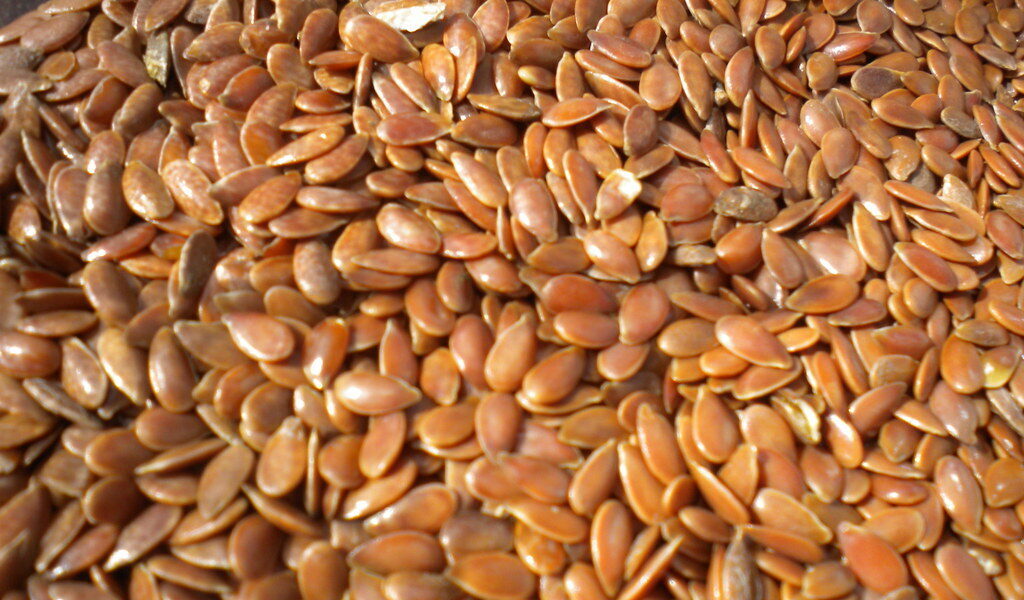
In today’s health-focused marketplace, small ingredients are making a big impact. Brown flaxseed is one of those quiet performers that continues to gain ground in everything from bakery products to plant-based beverages. As consumers become more ingredient-aware, conversations around brown flaxseed benefits are becoming more common in both retail and manufacturing spaces. This tiny seed delivers measurable value without requiring complicated processing or artificial enhancement. Its simplicity, versatility, and nutrient density make it a reliable addition to modern functional-food development.
Brown flaxseed stands out because it delivers meaningful nutrition in a compact form. It fits seamlessly into whole-food, plant-forward diets.
When discussing flaxseed nutrition, three components matter most: fiber, plant-based omega-3 fatty acids, and lignans. These naturally occurring compounds work together to support digestive balance, cardiovascular wellness, and antioxidant activity. Unlike heavily processed additives, flaxseed maintains its nutritional integrity with minimal handling. That makes it attractive to brands focused on whole-food formulations.
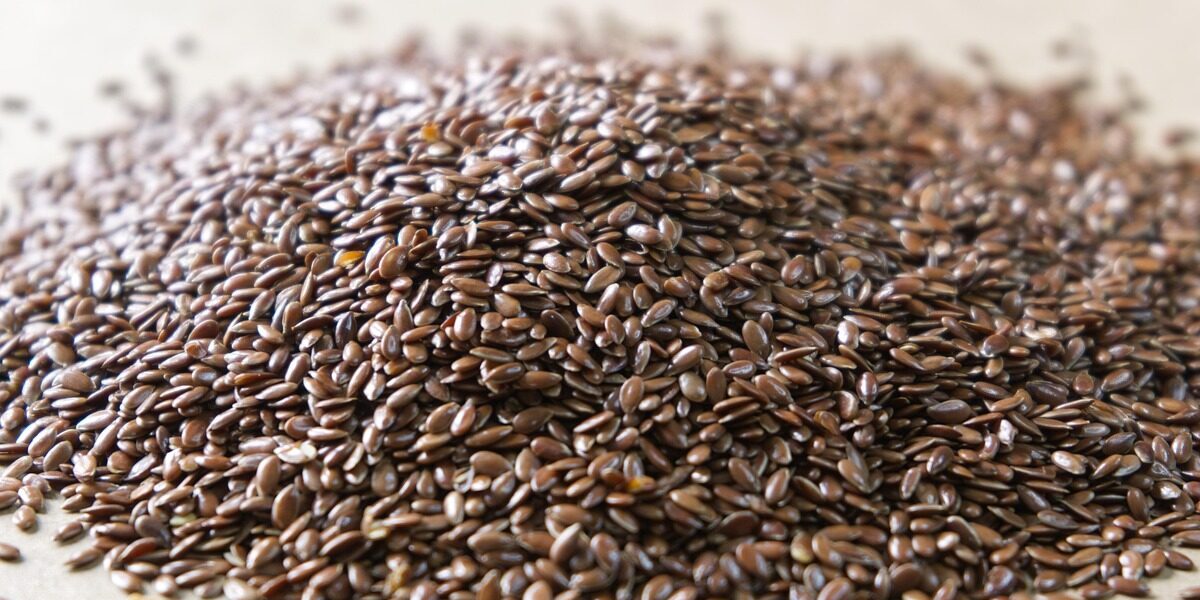
Plant-based consumers are actively seeking reliable sources of essential fatty acids, and flaxseed ranks high among omega-3-rich foods. It contains alpha-linolenic acid, which plays a role in supporting heart health when consumed as part of a balanced diet. For individuals limiting seafood intake, flaxseed offers a practical, plant-based alternative.
Functional nutrition continues to grow because consumers want food that supports long-term wellness goals. Brown flaxseed aligns well with that expectation.
One of the most recognized aspects of flaxseed for health is its fiber content. It contains both soluble and insoluble fiber, supporting digestive regularity and gut balance. Soluble fiber forms a gel-like consistency that can help moderate digestion, while insoluble fiber adds bulk to support consistent elimination.
Among plant foods, flaxseed is especially rich in lignans, which are often grouped with other superfood ingredients due to their antioxidant properties. These compounds contribute to cellular protection and are frequently highlighted in wellness-oriented product messaging. Antioxidant-support claims continue to influence purchasing decisions across multiple age groups.
Many buyers compare brown and golden flaxseed when sourcing at scale. Nutritionally, they are very similar. The difference is largely visual and slightly flavor-based.
| Feature | Brown Flaxseed | Golden Flaxseed |
| Color | Dark brown | Light golden |
| Nutrient Profile | Comparable fiber and omega-3 content | Comparable fiber and omega-3 content |
| Flavor | Mild, slightly earthy | Mild, slightly nutty |
| Commercial Usage | Widely used in large-scale production | Often chosen for visual appeal |
For most manufacturers, brown flaxseed offers cost-efficiency and reliable availability.
As the demand for nutrient-dense foods grows, flaxseed is finding its way into an expanding range of categories.
The role of flaxseed in food industry innovation continues to expand across bakery, beverage, and supplement sectors. Ground flaxseed is added to breads, snack bars, and cereals to improve fiber content. Cold-pressed flaxseed oil is incorporated into smoothies and functional drinks. Its adaptability allows brands to meet evolving consumer expectations without altering flavor profiles dramatically.
Manufacturers searching for dependable functional food ingredients appreciate flaxseed’s multi-purpose value. It enhances nutritional labeling, contributes texture in baked goods, and supports plant-based product positioning. Because it blends easily into formulations, it reduces development complexity while strengthening product claims.
Reliable sourcing is essential as demand increases. North America remains a major production hub for flaxseed cultivation.
For example, working with a trusted specialty crop supplier in North Dakota like American Harvest Group ensures consistent quality, traceability, and compliance with food-safety standards. Climate conditions in this region support stable yields, which help manufacturers maintain predictable supply chains.

The long-term appeal of brown flaxseed lies in its practical advantages.
These factors position flaxseed as a dependable option in competitive markets.
Several major trends continue to drive interest in brown flaxseed across retail and commercial sectors.
As more consumers shift toward plant-forward eating patterns, demand for plant-sourced nutrients rises steadily. Flaxseed fits naturally into this movement because it provides fiber and essential fatty acids in a minimally processed format.
Health-conscious shoppers increasingly prioritize fiber intake and heart-supportive ingredients. Flaxseed’s nutrient profile aligns with these priorities, reinforcing its value in everyday meal planning.
Ingredient transparency has become a purchasing factor. Consumers tend to trust foods that contain familiar, pronounceable components. Flaxseed benefits from this clarity.
At the consumer level, brown flaxseed is valued for its convenience. Ground flaxseed can be stirred into oatmeal, blended into smoothies, or mixed into pancake batter. Whole seeds are often added to granola or whole-grain bread. This simple usability increases repeat purchases and reinforces long-term demand.
Brown flaxseed has steadily secured its place in modern nutrition by delivering consistent value in a simple, recognizable form. As consumer awareness grows, conversations around brown flaxseed benefits continue to gain momentum across both retail shelves and large-scale food manufacturing. It’s naturally occurring fiber supports digestive balance, while plant-based omega-3 fatty acids contribute to heart-conscious eating patterns. At the same time, antioxidant compounds strengthen their reputation as a nutrient-dense ingredient backed by credible research.
As the functional-food market continues to expand, ingredients that combine transparency, performance, and accessibility will lead the way. Brown flaxseed meets all of these expectations, positioning it as a steady driver of growth in health-focused product development.
Secure your ingredient supply with confidence through American Harvest Group. As a trusted bulk chickpeas exporter in the USA, we deliver consistent quality, dependable volumes, and efficient logistics to support growing manufacturers worldwide. Connect with our team today to source premium brown flaxseed, chickpeas, and specialty crops backed by reliability you can scale with.

Divyaa Dharga is a contributor at American Harvest Group, specializing in industrial hemp, sustainable agriculture, and emerging biomaterials. With a strong interest in regenerative farming practices and the evolving global hemp economy, she creates research-driven content that helps readers understand cultivation methods, supply chain developments, and innovative applications of hemp-based products. Through in-depth articles and industry insights, Divyaa Dharga supports American Harvest Group’s mission to promote environmentally responsible and economically viable hemp solutions.

