

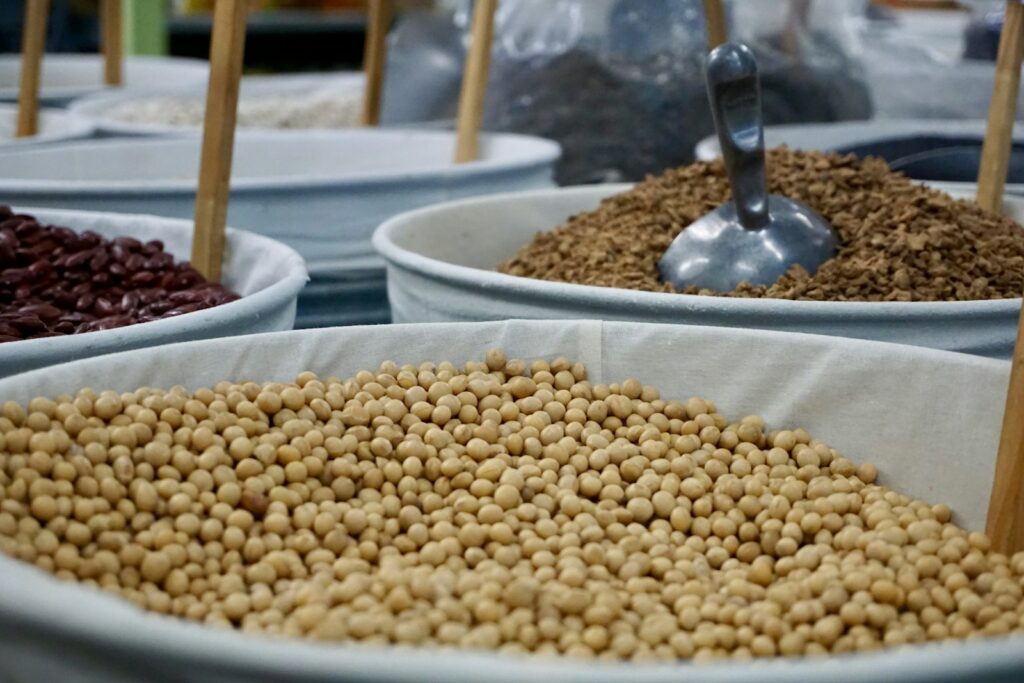
Across early farming societies, humble legumes helped communities thrive during uncertain harvest seasons. Chickpeas, lentils, peas, and beans offered steady nourishment, easy storage, and reliable growth patterns. Those same qualities now drive modern food science.
As interest in sustainable eating grows, ancient crops are powering new ideas in texture, flavor, and nutrition. Their long history gives today’s innovators confidence, while modern processing adds convenience that fits busy lives. The result feels familiar yet fresh, rooted in tradition while answering present-day dietary needs.
Long before grocery stores or fast food, early farmers in the Fertile Crescent tamed wild plants into dependable crops. Chickpeas date back more than 10,000 years to areas in modern-day Turkey and Syria. Lentils appeared around the same time in nearby regions. These legumes joined wheat, barley, and peas as foundational foods that helped humans settle down and build communities.
People valued them for good reasons. Both store well through tough seasons, grow in dry soils, and pack serious nutrients. Ancient cooks turned chickpeas into thick stews or roasted them for snacks. Lentils simmered into soups that warmed families through cold months. Their staying power came from practical strengths: easy to grow, simple to prepare, and full of energy.
Chickpeas and lentils are powerhouse legumes, delivering high-quality plant-based protein, essential vitamins and minerals, and fiber that support overall health. These ancient crops offer impressive nutrient density with low calories, making them ideal vegan protein sources for balanced diets focused on wellness and sustainability.
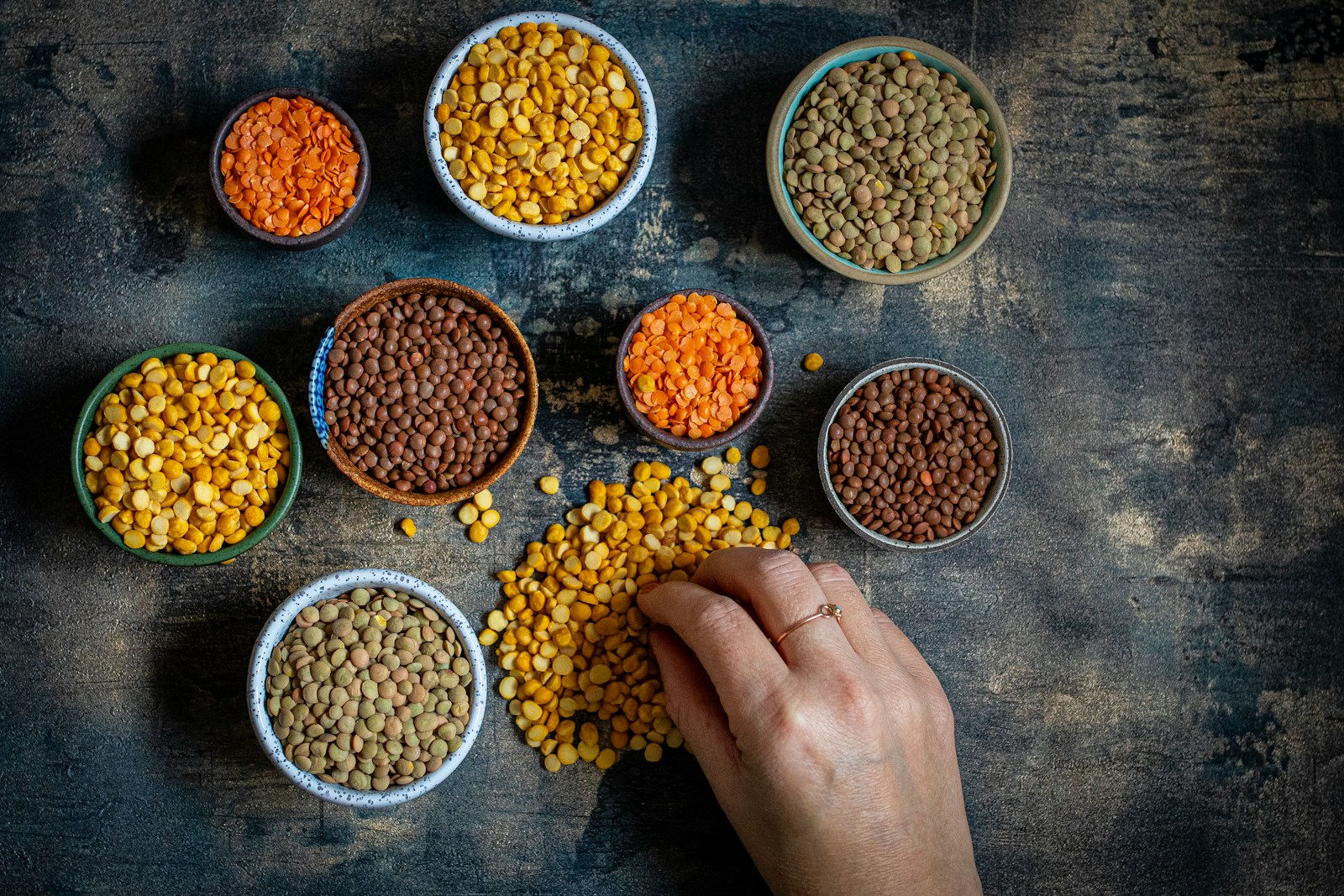
According to Healthline, one cup of cooked chickpeas (about 164 grams) provides roughly 14.5 grams of protein, 45 grams of complex carbohydrates, and 12.5 grams of dietary fiber. Chickpea protein contains all essential amino acids in adequate amounts, especially when paired with grains. Rich in folate, iron, phosphorus, and manganese, chickpeas boost energy production, oxygen transport, and bone strength.
It includes antioxidants like polyphenols that reduce inflammation, while the health benefits of chickpeas extend to better blood sugar control and heart health, thanks to soluble fiber that binds cholesterol.
According to the US Department of Agriculture, a single cup of cooked lentils (198 grams) provides approximately 17.9 grams of protein, 39.8 grams of slow-digesting carbs, and 15.6 grams of fiber. The nutritional facts for lentils highlight high levels of folate (358 µg), iron (6.59 mg), potassium (731 mg), and manganese (71.3 mg).
Lentils rank among the best vegan protein sources due to their high mineral bioavailability and low fat content. Regular consumption supports digestive regularity, steady energy release, and a reduced risk of chronic conditions.
Chickpeas and lentils have fed people for thousands of years and now form the foundation of healthy, sustainable plant-based foods that meet today’s demand for nutritious and eco-friendly options.
Chickpeas and lentils stand out as complete vegan protein sources that supply all essential amino acids when combined with grains. A cup of cooked chickpeas provides a generous protein content, ideal for building muscle, supporting recovery after exercise, and maintaining energy throughout the day without relying on animal products.
Beyond protein, these crops deliver exceptional nutritional value for chickpeas and lentils. Chickpeas provide high fiber for digestive health, iron for oxygen transport, and folate for cell growth. Lentils add potassium to help regulate blood pressure and manganese for metabolism, creating balanced meals that naturally promote long-term wellness.
Modern kitchens transform chickpeas into protein powder for smoothies or bake them into high-protein pasta. Lentils can be made into crispy snacks, hearty burger patties, or creamy spreads. Chickpea protein concentrates efficiently into isolates, while lentil flours blend seamlessly into baked goods, expanding possibilities for innovative, everyday plant-based eating.
These drought-tolerant crops require far less water than nuts or soybeans and fix nitrogen in the soil, improving fertility for future plantings. Farmers worldwide depend on them to deliver reliable yields in challenging climates, reduce environmental impact, and support food security as demand for plant-based protein continues to rise steadily.
Their roots work with soil bacteria to fix atmospheric nitrogen, improving soil fertility and reducing reliance on synthetic fertilizers, which contribute to pollution and energy use. This makes them excellent choices for climate-aware producers and farmers in water-scarce regions.
Their neutral tastes absorb bold flavors from Indian curries to Mediterranean salads and Mexican bowls. Roast chickpeas for crunchy toppings, simmer lentils into comforting soups, or blend them into dips. This adaptability inspires chefs and home cooks alike to create diverse, satisfying dishes rooted in the health benefits of chickpeas and wholesome traditions.
Similarly, American Harvest Group supports modern wellness product development by managing hemp sourcing, production, and distribution, providing reliable ingredients for plant-based supplements and other health-focused offerings.
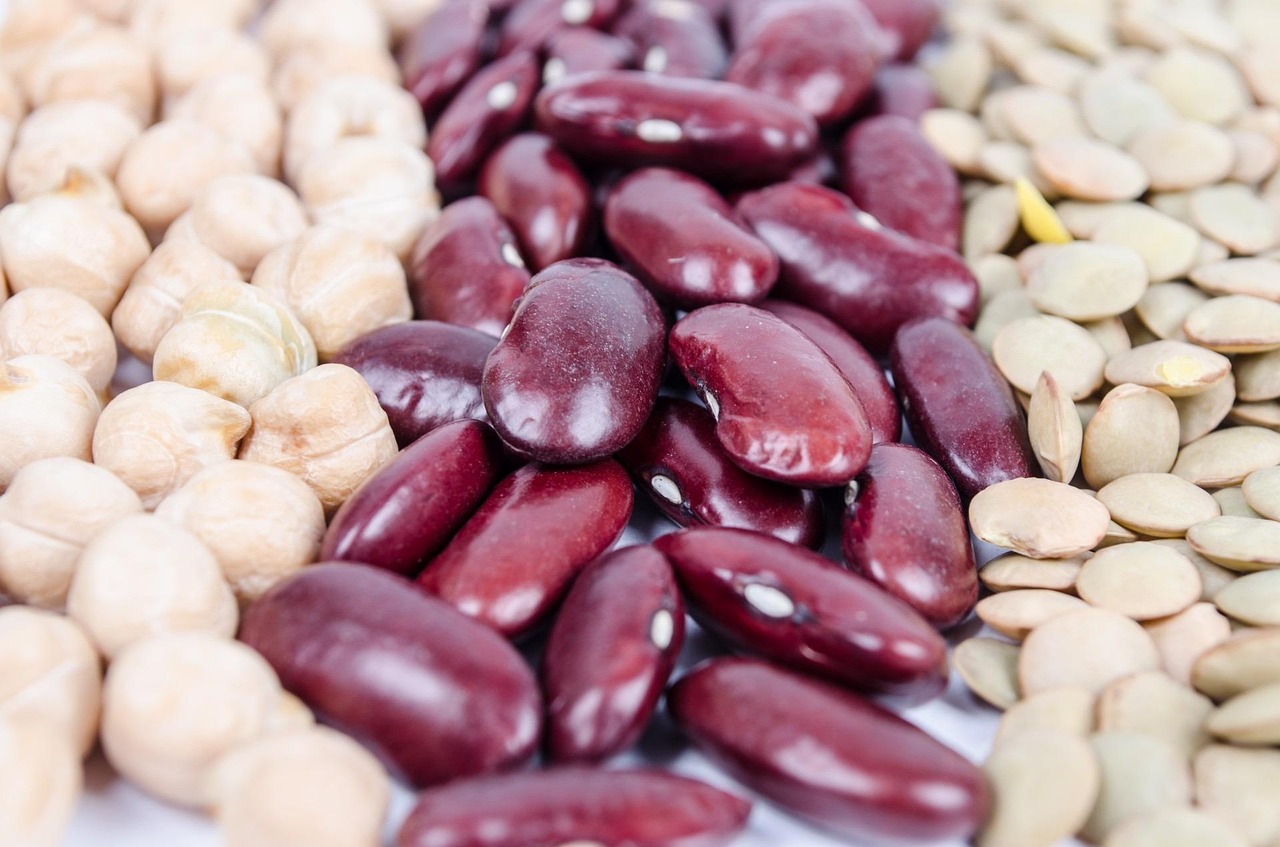
Modern food creators transform familiar legumes into advanced formats that support protein needs, offer clean labels, and provide convenience, while keeping taste, texture, and nutrition appealing to everyday consumers worldwide.
The story of food is constantly evolving, but the best ideas often have deep roots. Chickpeas and lentils, cultivated for millennia, are proving well-suited for the future. They offer the plant-based protein and nutritional complexity we need. They support sustainable farming practices. Most importantly, they are inspiring a wave of delicious, innovative foods that make eating well a simple pleasure.
Connect with American Harvest Group for a trusted hemp agribusiness service designed to help producers manage supply, compliance, and product development.

Divyaa Dharga is a contributor at American Harvest Group, specializing in industrial hemp, sustainable agriculture, and emerging biomaterials. With a strong interest in regenerative farming practices and the evolving global hemp economy, she creates research-driven content that helps readers understand cultivation methods, supply chain developments, and innovative applications of hemp-based products. Through in-depth articles and industry insights, Divyaa Dharga supports American Harvest Group’s mission to promote environmentally responsible and economically viable hemp solutions.

