

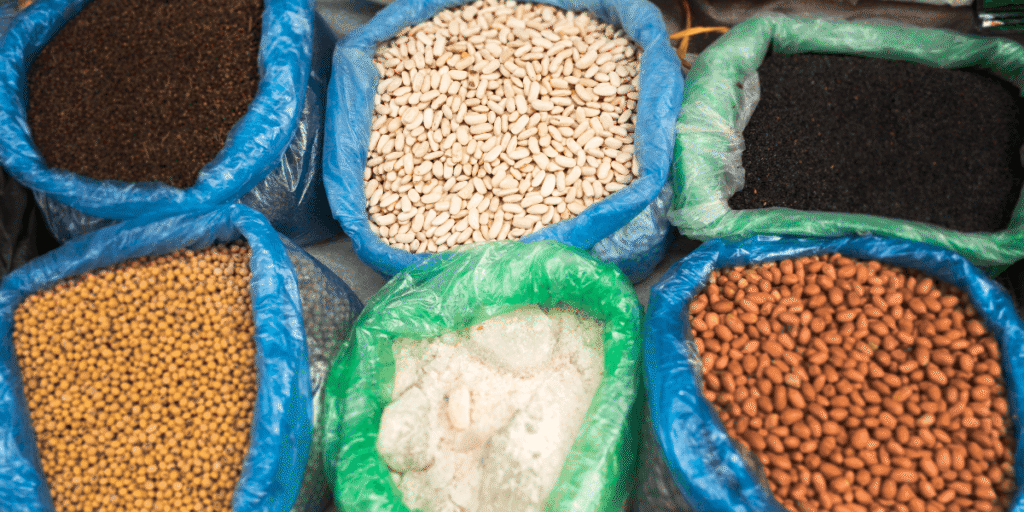
The modern food industry is witnessing a transformation. Traditional linear systems where food is produced, consumed, and discarded are giving way to circular economy models. In this approach, resources are continually reused, and waste is minimized. Pulse crops, such as lentils, chickpeas, peas, and beans, are becoming central to this shift because they offer both nutritional value and environmental benefits. Beyond being a rich source of bean protein, pulses offer brands opportunities to reduce waste, streamline supply chains, and build more resilient production systems.
By integrating pulses, food brands are not only optimizing their operations but also meeting growing consumer demand for eco-conscious products. Whether through byproduct utilization or regenerative agriculture, pulses help brands close the loop, creating a more sustainable and profitable food model.
A circular economy is built around the principle of reusing resources rather than discarding them after a single use. Unlike linear systems, which take, process, and discard, circular models prioritize food-waste recycling and resource efficiency. In the food sector, this can involve upcycling byproducts, improving packaging, and designing products that minimize environmental impact.
Food production is responsible for significant environmental pressures. The Food and Agriculture Organization reports that roughly one out of every three units of food produced worldwide is lost or wasted. That translates to billions of dollars lost and vast amounts of unnecessary greenhouse gas emissions. Brands implementing circular economy models gain multiple advantages. They reduce operational waste, support sustainable food brands’ practices, and create a narrative of responsibility that resonates with consumers.
Pulse crops are legumes harvested for their dry seeds, including lentils, chickpeas, beans, and peas. They are celebrated for their protein, fibre, and micronutrient content, making them a valuable source of bean protein in modern diets. But pulses offer far more than nutrition; they play a key role in sustainable agriculture.
Pulses naturally fix nitrogen in the soil, reducing the need for synthetic fertilizers. This process improves soil health and benefits subsequent crops, supporting long-term land productivity. Additionally, pulses require less water than other protein sources, making them ideal for sustainable food systems. Globally, food brands are turning to pulses for products ranging from plant-based meat alternatives to baked goods.
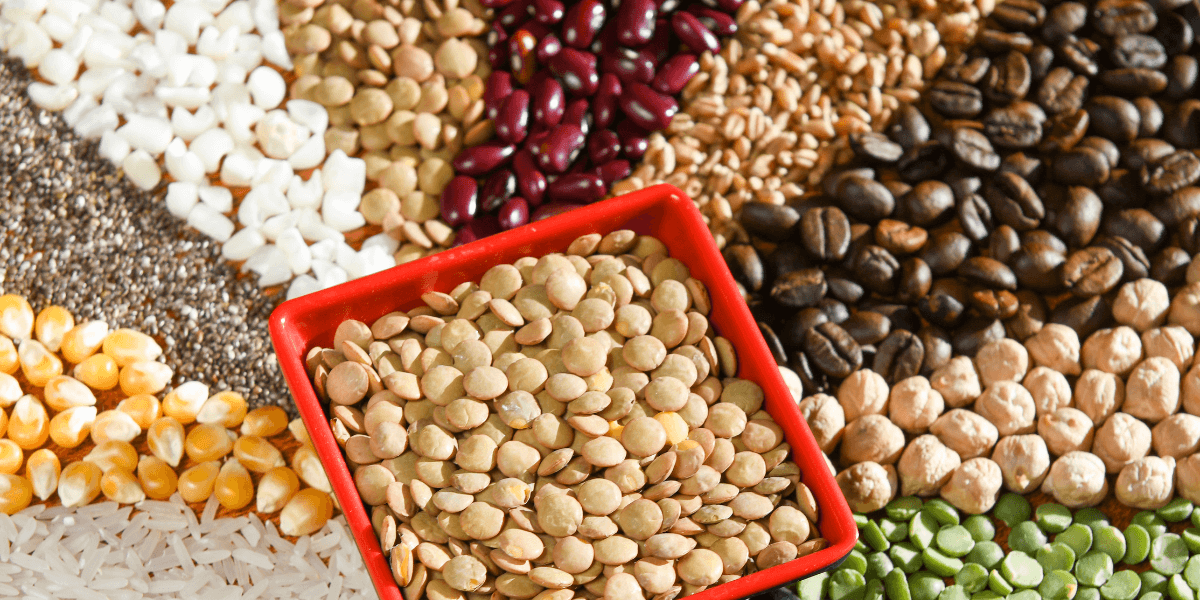
Pulse processing generates significant byproducts such as hulls, starch-rich fractions, and protein concentrates. Instead of discarding these sidestreams, brands are converting them into nutritional ingredients, animal feed, or plant-based protein powders. This practice supports food waste recycling while creating additional revenue opportunities.
By reusing every component of the pulse crop, companies reduce environmental impact and demonstrate practical commitment to sustainable food brands.
Food brands are also focusing on minimizing waste throughout the supply chain. Efficient storage, composting programs, and recyclable packaging help reduce spoilage and maintain the quality of pulses. Circular packaging, such as recyclable or biodegradable pouches, complements the eco-friendly qualities of the product itself.
By implementing these measures, brands make sure that pulses maintain their nutritional value while reducing their carbon footprint. These strategies reinforce the role of pulses in sustainable food systems and create operational efficiencies that extend beyond the farm, from processing to retail.
Strong collaboration with farmers and cooperatives is essential to a functioning circular economy. By sourcing pulses from local growers, brands maintain traceability and reduce losses due to improper handling. Partnerships also allow farmers to implement regenerative practices, such as crop rotation with pulses to naturally enrich the soil. This cooperation fosters resilient supply chains, supports community development, and confirms that circular economy principles are applied from farm to product.
Food brands can track the environmental benefits of these practices, including reduced chemical use, improved soil health, and higher-quality crops.
Consumer engagement plays a critical role in promoting circular economy practices. Brands can implement campaigns highlighting the sustainability of pulse-based products or offer recycling programs for packaging.
Product labeling can educate consumers on the environmental benefits of pulses and encourage responsible consumption. These initiatives help close the loop at the consumer level, reinforcing sustainable food systems while enhancing brand loyalty. By showing the tangible impact of circular practices, companies create trust and encourage customers to support eco-conscious choices.
The advantages of adopting circular economy models are far-reaching.
The combination of these benefits demonstrates why circular economy models with pulse crops are becoming integral to sustainable food brands and modern agribusiness strategies.

Despite the advantages, challenges remain for implementing circular economy models. Scaling these practices across large supply chains requires investment, coordination, and innovation. Consumer adoption can be gradual, and regulatory hurdles may complicate the use of byproducts in food production. Education campaigns can also support consumer understanding, making circular economy initiatives both feasible and impactful.
Companies must ensure proper labeling, food safety, and traceability while maintaining profitability. American Harvest Group, a reliable small retail packaging company in North Dakota, ensures all pulse products are delivered sustainably and efficiently. Get in touch with us to learn how we can streamline your supply chain!
Pulse crops go beyond providing nutrition, serving as a key component in creating food systems that are sustainable, resilient, and economically viable. By integrating byproduct reuse, regenerative agriculture, and consumer engagement, brands can effectively close the loop in their operations. Circular economy models with pulses reduce waste, support local farmers, and improve environmental outcomes, contributing to healthier ecosystems and communities.
Food companies that integrate pulses into circular practices can reduce waste, cut emissions, and build resilient supply chains. If you wish to maintain consistent quality, American Harvest Group, a trusted lentil supplier in Montana, is known for offering premium pulse crops.
As awareness grows, circular economy models will likely become a standard in food production, benefiting both the environment and society.

Divyaa Dharga is a contributor at American Harvest Group, specializing in industrial hemp, sustainable agriculture, and emerging biomaterials. With a strong interest in regenerative farming practices and the evolving global hemp economy, she creates research-driven content that helps readers understand cultivation methods, supply chain developments, and innovative applications of hemp-based products. Through in-depth articles and industry insights, Divyaa Dharga supports American Harvest Group’s mission to promote environmentally responsible and economically viable hemp solutions.

