

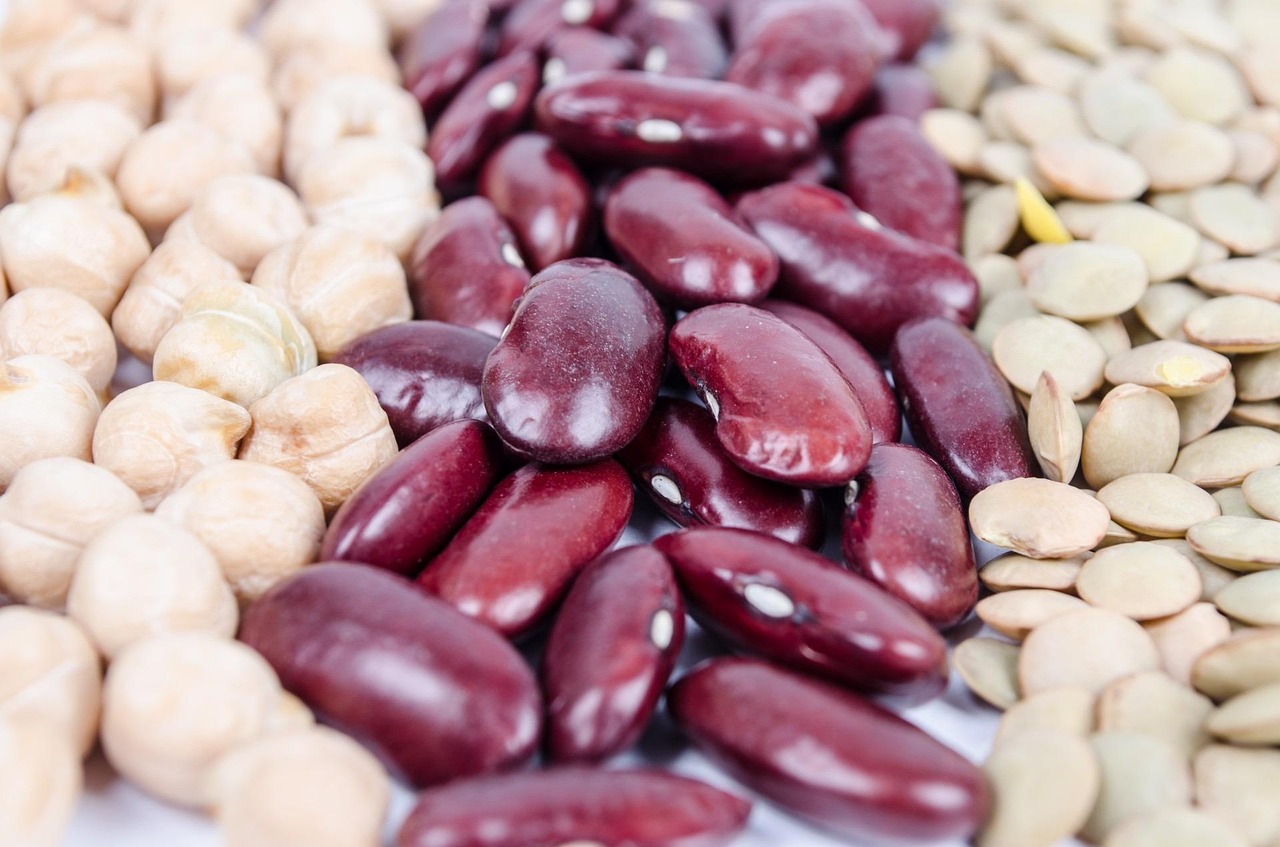
Pulses have moved from pantry staples to strategic ingredients for food brands. Beans, lentils, chickpeas, and peas now sit at the center of product innovation, cost control, and sustainability goals. As consumer demand shifts toward familiar, nutritious foods, sourcing teams are paying closer attention to how pulses move from fields to finished products. These changes are reshaping the pulse ingredient market in practical, measurable ways.
This blog looks at the sourcing trends that matter most today, and how they influence quality, pricing, and long-term supply.
Pulses offer a rare mix of nutrition, affordability, and versatility. They deliver protein, fiber, and minerals while fitting into many cuisines and formats. For brands, pulses also support shorter ingredient lists and stable formulations.
Rising interest in plant-forward eating has amplified demand across categories. As a result, sourcing decisions now affect brand reputation, product performance, and margins.
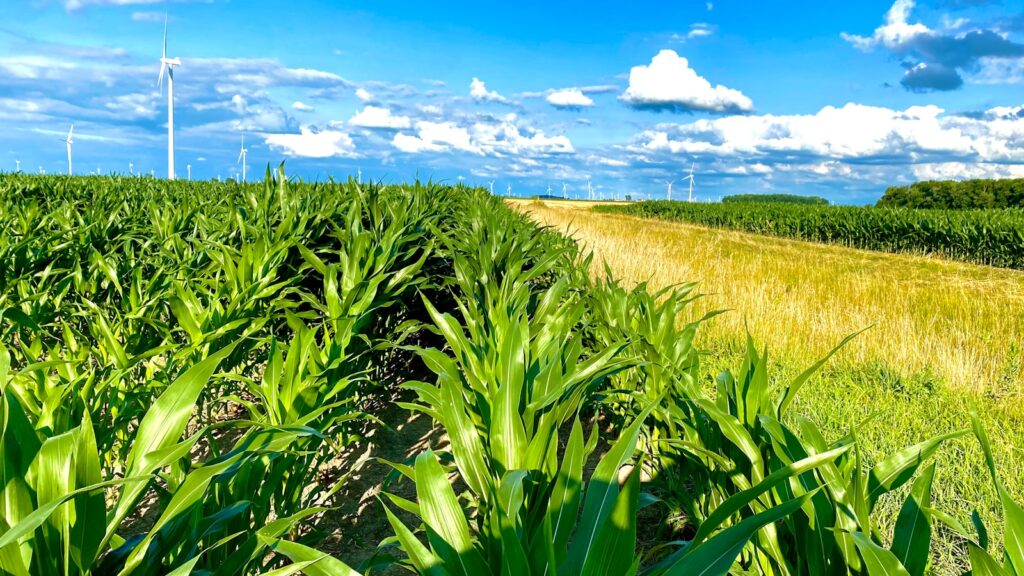
The story starts at the farm. Growers are adjusting acreage, crop rotation, and practices to meet changing buyer needs. This shift supports better yields and more consistent quality across seasons.
Farmers increasingly plan pulse crops based on forward contracts and long-term partnerships. This approach helps stabilize supply and pricing while improving traceability. It also strengthens the farm-to-food supply chain by reducing last-minute sourcing gaps.
Pulses naturally fix nitrogen, which improves soil health and reduces fertilizer needs. These benefits align with sustainable pulse sourcing goals and appeal to brands focused on responsible agriculture.
Between farm and factory, processing plays a critical role. Cleaning, sorting, splitting, and milling determine how pulses perform in final products.
Advanced optical sorters and gentle handling reduce defects and preserve integrity. Collaboration with a bean washing company in the USA, like American Harvest Group, supports consistent cleanliness and food safety standards that brands rely on.
Processors now offer standardized cuts and milled formats that fit multiple applications. This reduces reformulation time and helps brands maintain consistent texture and flavor.
Food brands have become more specific about what they need from suppliers. The focus is not only on price, but also on reliability and transparency.
Brands prioritize suppliers that deliver:
These needs influence how the food ingredient supply chain is structured from planting through packaging.
Sustainability has moved from a marketing claim to a sourcing requirement. Buyers expect data-backed practices that reduce environmental impact.
Sourcing teams track water use, soil impact, and transportation efficiency. Pulses perform well across these measures, which strengthens their role in the global pulse market.
Long-term partnerships encourage investment in better practices. This stability supports farmers, processors, and brands at the same time.
Geography still matters in pulse sourcing. Different regions specialize in specific crops, and that specialization improves quality and efficiency.
North America remains a key supplier due to scale, infrastructure, and consistent standards. These strengths support reliable pulse exports to food brands worldwide.
Several legume market trends are influencing sourcing strategies right now.
Consumers trust ingredients they recognize. Pulses fit this expectation, which reduces the need for education or complex labeling.
Milled flours, protein concentrates, and ready-to-use blends are growing faster than whole pulses. These formats save time for manufacturers and improve consistency.
Pulses help brands manage costs while maintaining nutrition. This balance keeps demand steady even during market fluctuations.
Brands want to know where ingredients come from and how they are handled. This transparency protects brand trust and supports compliance.
Digital tracking tools now follow pulses from farm lots to finished batches. This visibility strengthens the Farm to food supply chain and speeds up issue resolution when needed.
Global demand affects local availability and pricing. Strong export activity can tighten supply, while trade shifts can open new opportunities.
The United States plays a major role as a reliable exporter, supported by logistics infrastructure and quality standards. This position reinforces the country’s influence in the global pulse market.
Risk management has become a core part of sourcing. Brands diversify suppliers, lock in contracts, and work closely with processors to avoid disruptions.
They also invest in relationships that encourage shared planning and open communication. This approach builds resilience across the food ingredient supply chain.
Pulse sourcing will continue to favor partners that offer consistency, transparency, and scale. Innovation will focus on processing efficiency and data-driven sustainability reporting.
As demand grows, pulses will remain a dependable option for brands seeking nutrition, affordability, and long-term supply security.
From farms to finished products, pulses connect every part of the food system. Smart sourcing decisions now shape quality, cost, and consumer trust. By focusing on strong partnerships and responsible practices, brands can stay competitive in a changing market.
The sourcing trends shaping today’s pulse industry point toward collaboration, clarity, and consistency.
For brands seeking dependable sourcing and export expertise, We supports pulse supply across domestic and international markets. As a trusted bulk chickpeas exporter in the USA, American Harvest Group helps food brands navigate sourcing needs with confidence, consistency, and care.

Divyaa Dharga is a contributor at American Harvest Group, specializing in industrial hemp, sustainable agriculture, and emerging biomaterials. With a strong interest in regenerative farming practices and the evolving global hemp economy, she creates research-driven content that helps readers understand cultivation methods, supply chain developments, and innovative applications of hemp-based products. Through in-depth articles and industry insights, Divyaa Dharga supports American Harvest Group’s mission to promote environmentally responsible and economically viable hemp solutions.

