

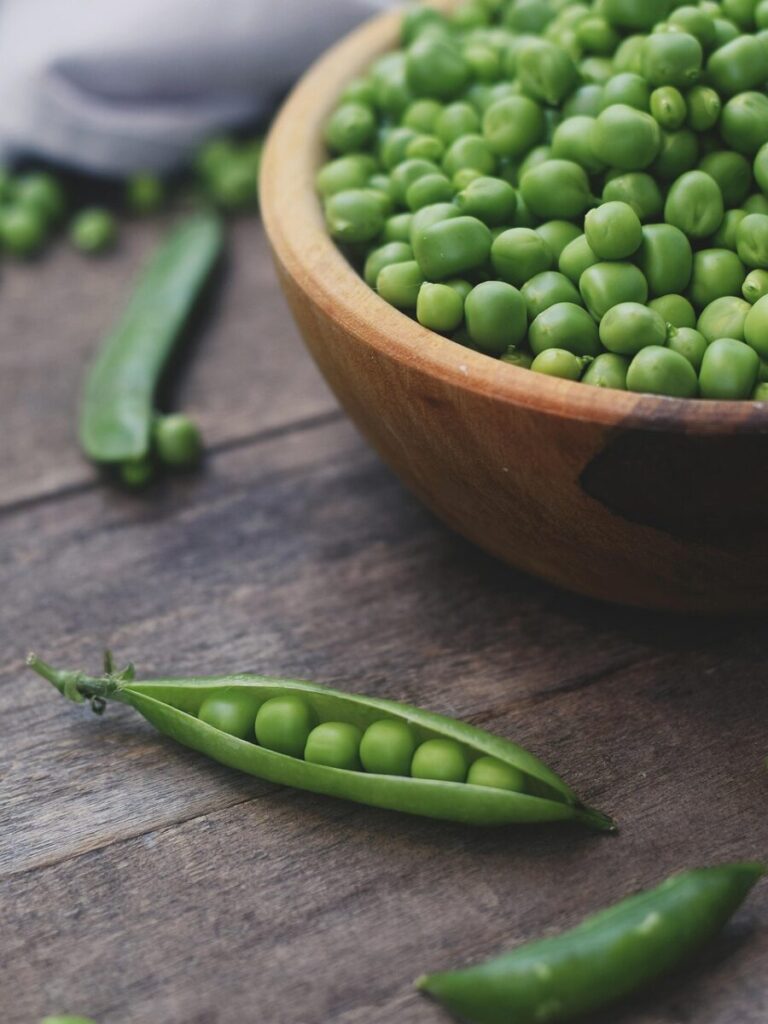
Green peas and yellow peas have moved far beyond the frozen vegetable aisle. Today, they sit at the center of some of the most talked-about innovations in food. As consumers look for better nutrition, familiar ingredients, and practical pricing, peas continue to prove their value. They are simple, versatile, and powerful enough to support the next generation of plant-based protein products.
This shift is not about food fads. It is about ingredients that work well, taste good, and make sense for manufacturers and consumers alike.
Peas have become a preferred protein source for many food companies, and the reasons are straightforward. They offer a strong nutritional profile, a mild taste, and excellent functionality in processing. Unlike some newer ingredients, peas feel familiar, which helps build trust.
Green peas and yellow peas also adapt well to different food formats. From beverages to meat alternatives, they support texture, structure, and protein content without complicating labels.
While both types come from the same family, green peas and yellow peas bring slightly different strengths to food manufacturing.
Green peas have a subtle sweetness and a softer texture. They work well in:
Their natural color and mild flavor help create foods that feel fresh and balanced.
Yellow peas are commonly used for protein extraction. They have a neutral taste and a higher protein yield, which makes them ideal for pea protein isolate production. This form of protein blends easily into recipes without changing flavor or appearance.
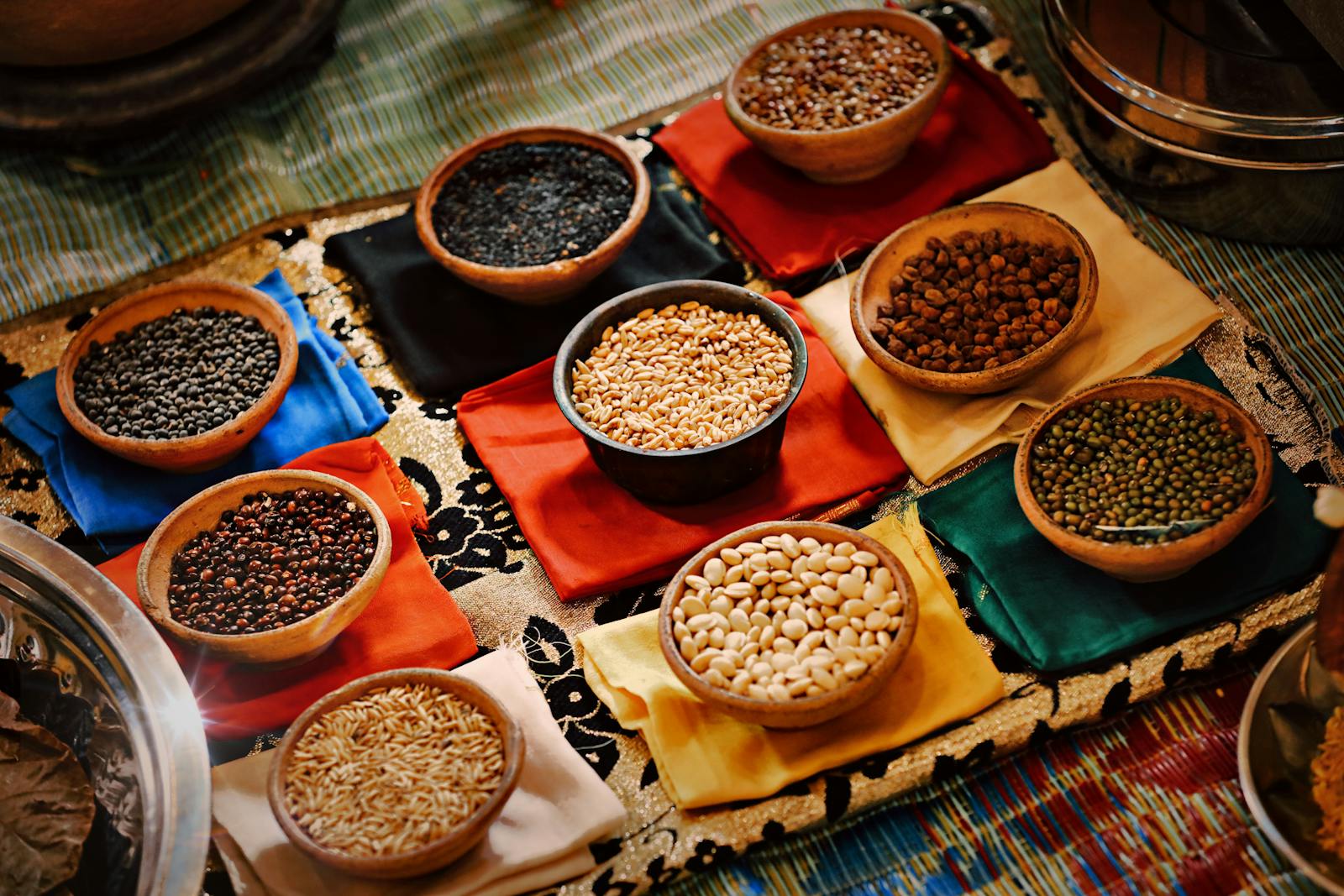
As diets shift, food manufacturers are seeking reliable alternative protein sources. Peas check many important boxes. They are widely grown, cost-effective, and accepted by consumers across different diets.
Compared to more experimental proteins, peas offer stability. They scale well, store efficiently, and work within existing food systems. This reliability helps brands launch products faster and with fewer risks.
Pea protein isolate is created by separating protein from pea starch and fiber. The result is a concentrated protein ingredient that supports a wide range of applications.
Pea protein isolate is used in:
It performs well during heating, freezing, and mixing, which helps maintain quality across different formats.
Pea protein contributes structure without making foods dense or gritty. This helps manufacturers achieve a smooth, satisfying texture that appeals to a broad audience.
Consumers today want more than just protein. They want foods that feel natural and approachable. This is why peas align so closely with plant-based food trends.
Peas appear on ingredient labels without raising questions. Shoppers recognize the name and associate it with everyday cooking. That familiarity lowers barriers to trying new products.
Peas support shorter ingredient lists. They reduce the need for artificial stabilizers and fillers, which helps brands deliver products that feel honest and transparent.
One of the most common comparisons in plant-based foods is pea protein vs soy protein. Both offer strong nutrition, but peas bring distinct advantages.
| Feature | Pea Protein | Soy Protein |
| Allergen-Friendly | Yes | No |
| Flavor Profile | Neutral | Beany |
| Consumer Perception | Familiar | Mixed |
| Sustainability | High | Moderate |
| GMO Concerns | Low | Higher |
Pea protein appeals to consumers who avoid soy due to allergies or personal preferences. Its neutral taste also makes formulation easier across different products.
Peas play an important role in sustainable protein sources. They require less water than many other protein crops and naturally enrich soil by fixing nitrogen.
This means:
For brands focused on sustainability, peas support responsible sourcing goals without sacrificing performance.
Behind every successful plant-based product is a dependable supply chain. Peas benefit from established agricultural systems across North America. This stability helps manufacturers plan production and maintain consistent quality.
If you need to partner with a reliable lentil processor in Montana, American Harvest Group offers the processing expertise you need for pea and lentil production.
Food companies value ingredients that solve multiple problems at once. Peas improve nutrition, support texture, and align with sustainability goals. They also work well with existing equipment, which reduces the need for costly upgrades.
Manufacturers appreciate that peas:
These advantages make peas a long-term solution, not a temporary trend.
As shoppers seek protein-rich foods that fit into everyday life, peas remain at the forefront. They support products designed for families, athletes, busy professionals, and anyone looking to eat better without complexity.
From frozen meals to shelf-stable snacks, peas continue to show up in places where nutrition and convenience meet.
Green peas and yellow peas are not new, but their role in food innovation keeps growing. They bring together nutrition, functionality, and trust in a way few ingredients can match.
As the market for plant-based protein products expands, peas will remain a key building block. They help brands meet consumer expectations while keeping products accessible and practical.
Peas have earned their place in modern food systems. They support protein-rich diets, clean labels, and sustainable agriculture. Most importantly, they help create foods people actually want to eat. With their versatility and reliability, green peas and yellow peas are well-positioned to power the next wave of plant-based innovation.
For companies seeking dependable processing and sourcing partners, American Harvest Group offers deep expertise across pulse crops. With support from our trusted bean washing company in the USA, food manufacturers can maintain quality, consistency, and efficiency across their supply chains.

Divyaa Dharga is a contributor at American Harvest Group, specializing in industrial hemp, sustainable agriculture, and emerging biomaterials. With a strong interest in regenerative farming practices and the evolving global hemp economy, she creates research-driven content that helps readers understand cultivation methods, supply chain developments, and innovative applications of hemp-based products. Through in-depth articles and industry insights, Divyaa Dharga supports American Harvest Group’s mission to promote environmentally responsible and economically viable hemp solutions.

