


Climate pressure continues to reshape global agriculture priorities. Farming systems today face expectations beyond food and fiber production. They now carry responsibility for environmental repair, soil recovery, and atmospheric balance. Among emerging solutions, industrial hemp farming stands out as a powerful contributor toward climate change mitigation through natural carbon capture and resilient cultivation practices.
Hemp offers fast growth, deep root systems, and broad industrial usage. These traits position it as a meaningful agricultural response for greenhouse gas reduction while supporting economic and ecological stability.
Agriculture contributes significantly to global emissions through land use change, fertilizer use, and soil degradation. Traditional crops often demand heavy inputs and seasonal soil disruption, releasing stored carbon back into the atmosphere. New farming approaches now focus on crops that stabilize ecosystems while producing commercial value.
Hemp fits these goals effectively. It grows rapidly, absorbs substantial atmospheric carbon, and restores soil structure across varied regions. These qualities support agricultural systems designed around climate resilience rather than short-term yield alone.
One of hemp’s most compelling environmental traits involves its accelerated biomass development. Hemp plants reach maturity within a few months, producing dense stalks and leaves that actively absorb carbon dioxide during photosynthesis.
Each growth cycle captures notable carbon quantities that remain stored inside plant fibers, roots, and surrounding soil. Large-scale cultivation increases cumulative impact, making hemp a viable crop for carbon dioxide removal efforts at the regional and national levels.
Hemp stalks form strong cellulose-rich fibers that retain carbon long after harvest. These fibers often enter durable applications such as construction materials, textiles, and biocomposites. Carbon remains locked inside finished products rather than returning quickly to the atmosphere.
Hemp roots penetrate deeply, improving soil structure and organic matter levels. Root biomass contributes to soil carbon pools, supporting longer-term sequestration compared to shallow-root crops. This underground storage strengthens soil stability while reducing erosion risks.
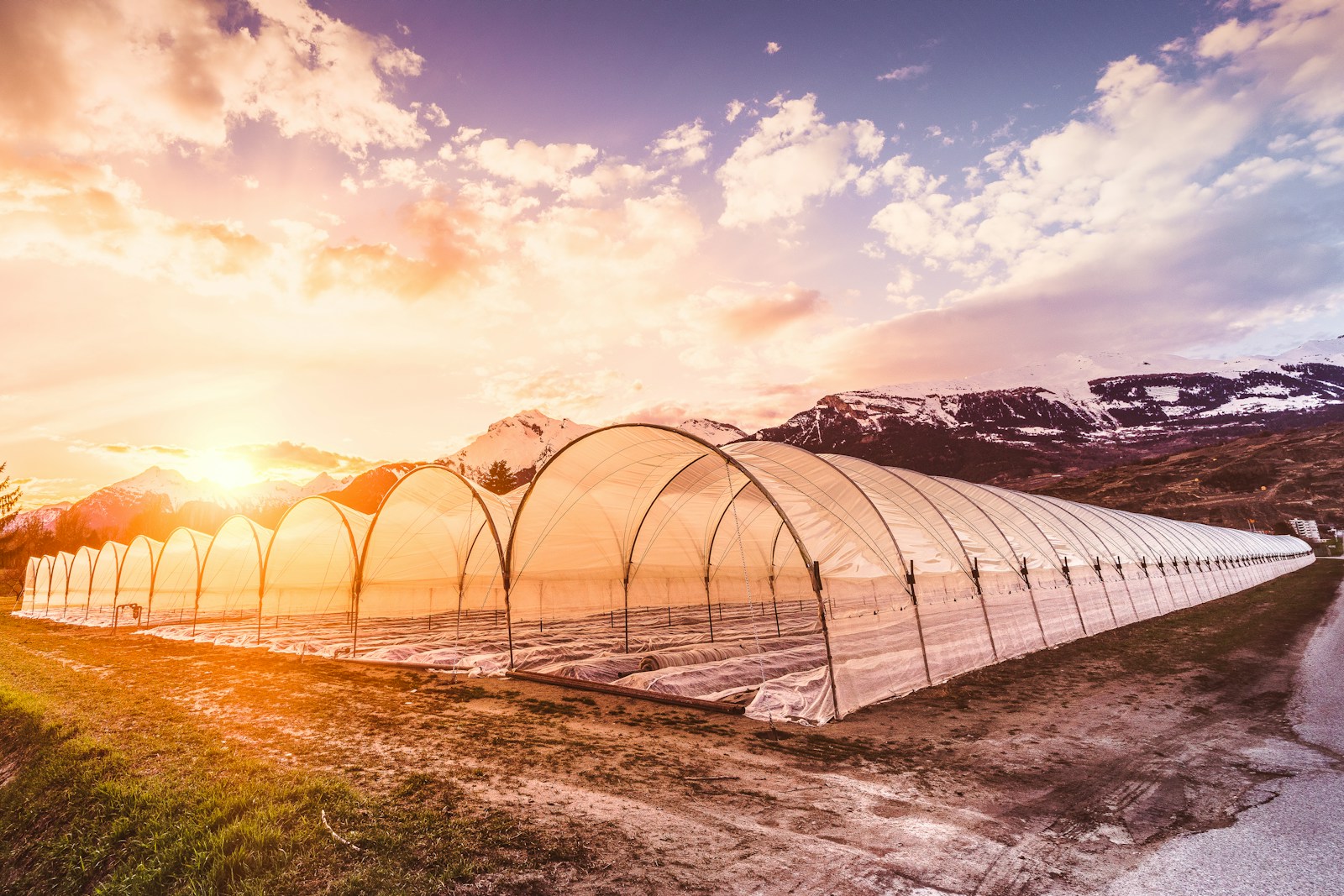
Climate-smart agriculture focuses on productivity, adaptation, and emission reduction. Hemp aligns naturally across these objectives. It adapts across diverse climates, requires fewer chemical inputs, and delivers high-value outputs across multiple industries.
Farmers integrating hemp into rotation systems observe improvements in soil quality and moisture retention. These gains support climate-resilient crops capable of maintaining productivity during variable weather patterns.
Hemp thrives without heavy pesticide dependence due to natural resistance against many pests. Fertilizer demands remain moderate compared to conventional commodity crops. Lower input usage reduces indirect emissions associated with chemical production and transportation.
Hemp adapts across temperate and semi-arid environments. Its resilience supports farming communities facing drought stress, soil depletion, or unpredictable seasonal patterns. This adaptability strengthens agricultural stability under changing climate conditions.
Environmental impact extends past cultivation alone. Hemp contributes to greenhouse gas reduction through material substitution across construction, packaging, and manufacturing sectors.
Traditional materials such as concrete, plastics, and synthetic textiles carry high carbon footprints. Hemp-based alternatives reduce reliance on fossil fuel-derived inputs while storing carbon inside finished goods.
Hempcrete, insulation panels, and fiberboards replace carbon-intensive materials inside buildings. These products store carbon for decades, turning infrastructure into long-term carbon sinks.
Hemp fibers support biodegradable composites, automotive components, and consumer goods. Each substitution reduces lifecycle emissions while expanding industrial hemp farming demand.
Healthy soil represents one of the largest terrestrial carbon reservoirs. Hemp supports soil regeneration through root biomass, organic matter return, and reduced tillage practices.
Enhanced soil health boosts microbial activity and nutrient cycling, creating conditions that trap carbon within soil aggregates and reduce its release into the atmosphere.
Hemp fits effectively inside diverse crop rotations. It breaks pest cycles, improves soil porosity, and prepares fields for subsequent plantings. These rotational benefits maintain productivity.
Frequent monoculture practices degrade soil structure over time. Hemp’s deep rooting counters compaction and restores biological balance, contributing toward long-term agricultural sustainability.
Hemp’s growth cycle aligns well with seasonal rainfall, allowing it to thrive even under fluctuating water availability. This reduces the need for supplemental irrigation and supports sustainable farming practices.
The crop exhibits natural drought tolerance compared to conventional fiber or grain plants. Farmers benefit from consistent yields even in periods of limited rainfall, making hemp a reliable choice for climate-resilient crops.
Lower water requirements reduce pressure on local water resources. Efficient irrigation and minimal water wastage contribute to broader environmental sustainability goals, reinforcing hemp’s suitability for climate-smart agriculture.
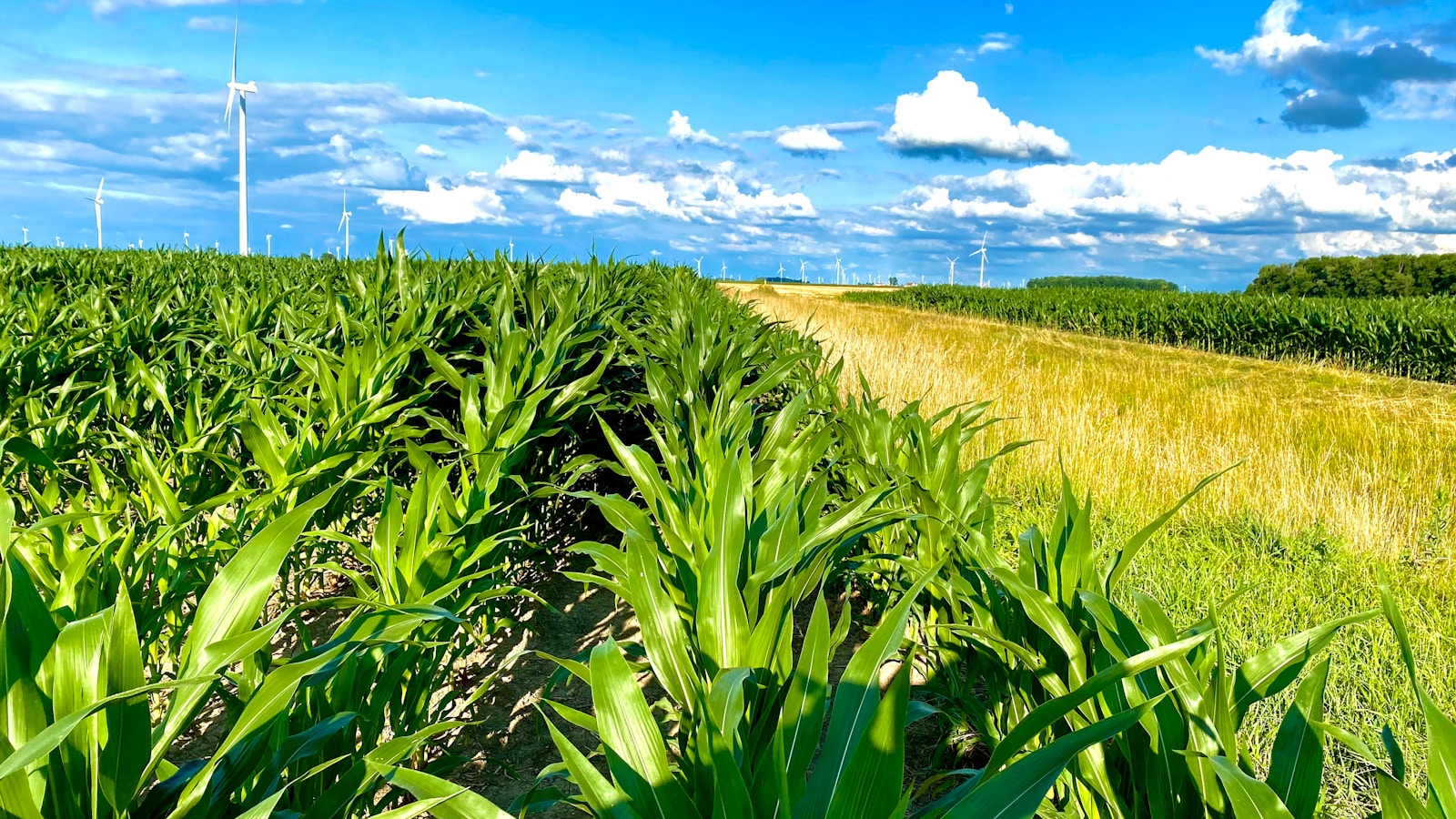
Environmental solutions require economic viability. Hemp supports multi-market revenue streams across textiles, construction, wellness products, and bio-industrials. This versatility encourages large-scale adoption without sacrificing farm income stability.
Growing demand among cultivators further strengthens domestic supply chains while reducing import dependency. Scaled production improves processing infrastructure and environmental impact simultaneously.
Many cultivators prefer to partner with a supply network trusted by hemp manufacturers in the USA. Connect with American Harvest Group’s team today to secure consistent quality, scalable volumes, and a sourcing solution built to support long-term growth.
Climate change mitigation demands integrated solutions across energy, industry, and land use. Agriculture holds unique potential due to its capacity for carbon capture. Hemp represents a practical pathway bridging environmental performance and commercial scalability.
Widespread adoption supports emission reduction targets while revitalizing agricultural landscapes. Its compatibility across diverse climates strengthens food system resilience alongside environmental restoration.
Hemp presents a compelling environmental case grounded in science, adaptability, and measurable carbon impact. Its role inside climate-smart agriculture positions it as a meaningful contributor toward carbon dioxide removal and long-term greenhouse gas reduction.
American Harvest Group offers reliable, sustainable farming solutions through responsible hemp cultivation that advances environmental goals while strengthening agricultural resilience. Explore opportunities that contribute toward a cleaner future through scalable hemp production with us!

Divyaa Dharga is a contributor at American Harvest Group, specializing in industrial hemp, sustainable agriculture, and emerging biomaterials. With a strong interest in regenerative farming practices and the evolving global hemp economy, she creates research-driven content that helps readers understand cultivation methods, supply chain developments, and innovative applications of hemp-based products. Through in-depth articles and industry insights, Divyaa Dharga supports American Harvest Group’s mission to promote environmentally responsible and economically viable hemp solutions.

