

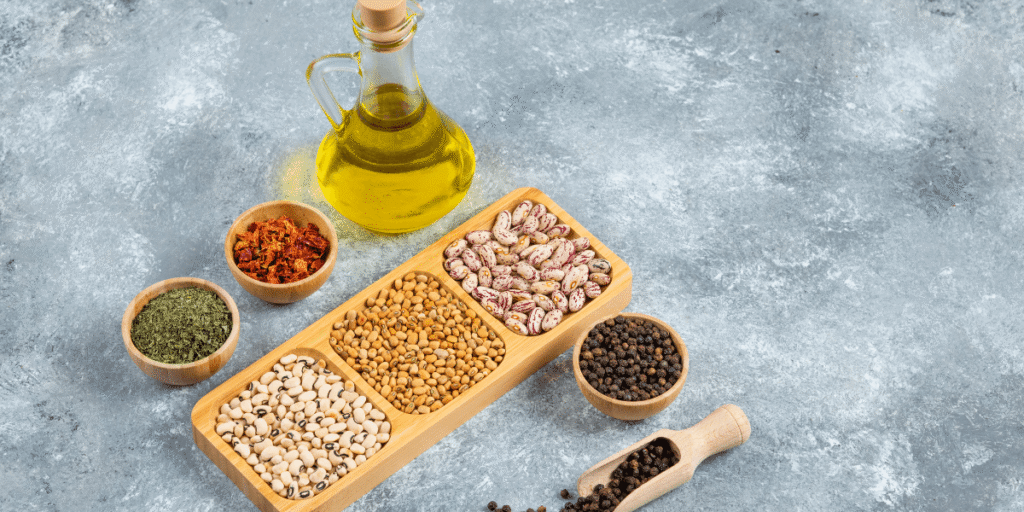
Cooking oils play a central role in daily diets, shaping both nutritional intake and long-term health outcomes. As consumers become more conscious about food quality, sourcing, and environmental impact, interest has grown in plant-based oils that offer broader benefits beyond basic cooking performance. Among these options, hemp seed oil has gained attention as a nutrient-dense and environmentally responsible choice.
Let’s have a look at how it compares against conventional cooking oil so that you can understand how healthy oil alternatives fit into modern kitchens and conscious food systems.
Plant-derived oils come from seeds, nuts, and fruits. Common examples include olive oil, canola oil, sunflower oil, and soybean oil. Each oil differs in fatty acid composition, micronutrient profile, processing method, and culinary use.
Traditional cooking oils often prioritize heat tolerance and shelf stability. However, these qualities sometimes come at the cost of nutrient density, especially when oils undergo heavy refining. In contrast, cold-pressed oils such as hemp seed oil retain more naturally occurring compounds, contributing to broader nutritional value.
One of the standout features of hemp seed oil lies in its naturally balanced ratio of omega-6 to omega-3 fatty acids. This balance supports cardiovascular function, cellular health, and inflammatory response regulation. Many traditional oils skew heavily toward omega-6 fats, which may disrupt dietary balance when consumed frequently.
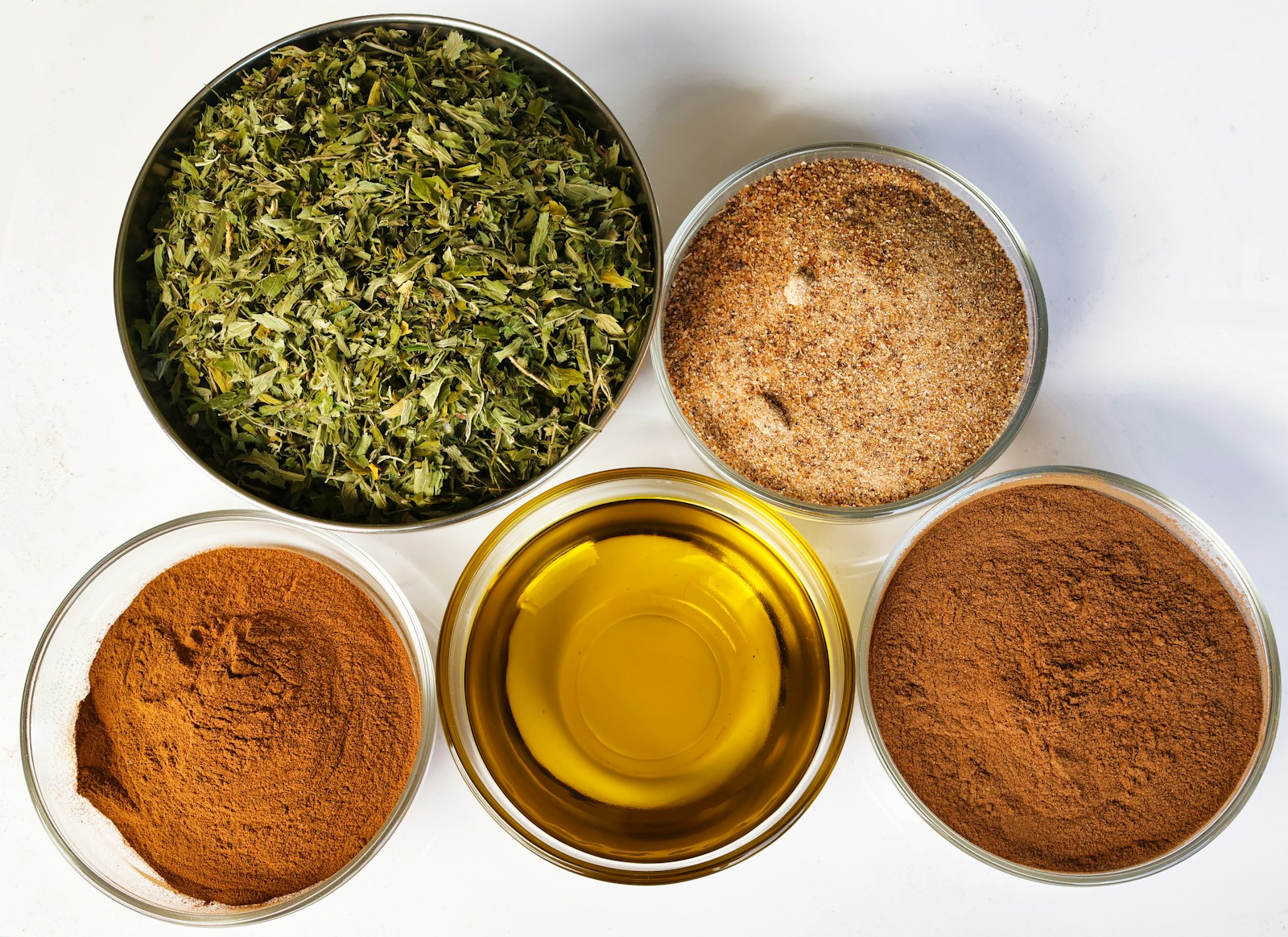
Beyond fats, hemp seed nutrition includes vitamin E, phytosterols, and antioxidants. These compounds support immune health, skin integrity, and cellular protection. Unlike refined oils, cold-pressed hemp oil retains these components without chemical stripping or excessive heat exposure.
Hemp seed oil remains light on the digestive system. Its composition supports nutrient absorption and suits individuals seeking oils that complement plant-forward or whole-food diets. These characteristics contribute to the growing interest in hemp seed benefits across wellness-focused communities.
Hemp seed oil works best in low-heat or no-heat applications. Salad dressings, drizzles, dips, smoothies, and finishing oils represent ideal uses. Its nutty, mild flavor complements vegetables, grains, and plant-based dishes.
Traditional cooking oils typically tolerate higher temperatures, making them suitable for frying or baking. For this reason, many kitchens combine hemp seed oil for nutritional use and other oils for high-heat cooking. This approach supports flexibility without sacrificing dietary value.
Olive oil remains widely respected for heart-supportive monounsaturated fats. However, its omega-3 content remains limited. Hemp seed oil offers broader essential fatty acid diversity, although olive oil performs better in moderate-heat cooking.
Canola oil contains omega-3 fats but undergoes industrial processing that strips away many natural compounds. Hemp seed oil maintains its nutritional profile through minimal processing, appealing to consumers seeking less intervention.
These oils often contain high omega-6 levels and fewer protective micronutrients. Regular consumption may contribute to dietary imbalance. Hemp seed oil provides a more even fatty acid distribution, supporting holistic nutritional goals.
Balanced essential fatty acids play a role in cholesterol management and vascular health. Hemp oil benefits often align with heart-conscious diets, especially when replacing highly refined fats.
Vitamin E and fatty acids contribute to skin barrier support and hydration. Regular dietary intake of hemp seed oil complements topical skincare routines, reflecting growing interest in nutrition-led beauty approaches.
Hemp seed oil fits well within vegetarian, vegan, and flexitarian eating patterns. As demand rises for functional foods, its role extends beyond cooking into daily wellness routines.
Hemp cultivation requires relatively low water input and minimal pesticide use compared to many oilseed crops. These characteristics support environmentally responsible agriculture and align with broader solutions.
Hemp improves soil structure and reduces erosion. Farmers often integrate it into crop rotations to promote biodiversity and land recovery, contributing to long-term agricultural resilience.
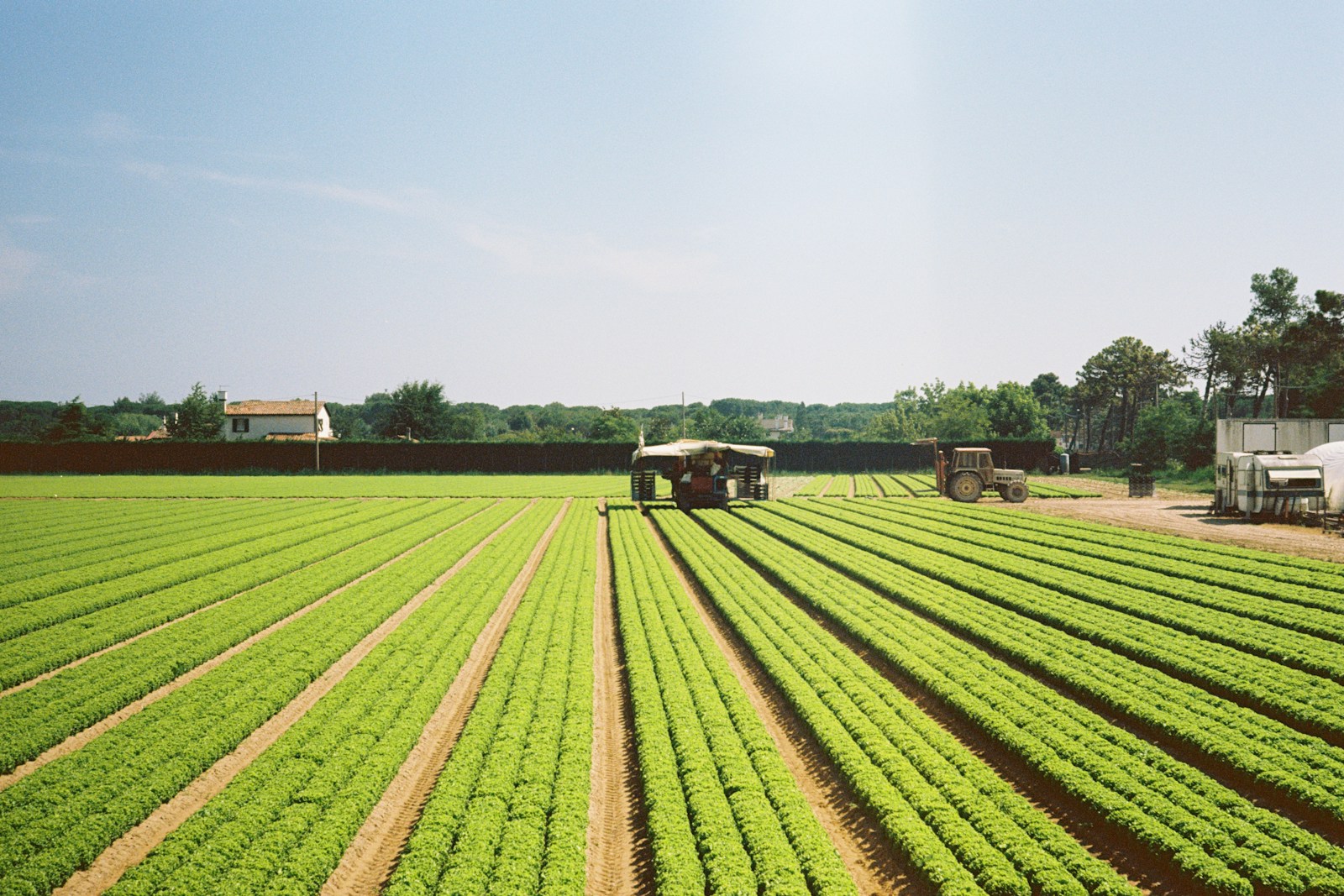
Sourcing organic hemp oil from local producers supports traceable supply chains and reduces transportation impact. Working alongside a supplier strengthens domestic agriculture while supporting quality control and regional economies.
Hemp seed oil has a shorter shelf life compared to refined oils due to its delicate fatty acid structure. Refrigeration and light protection help maintain freshness. This storage requirement reflects its natural state rather than a flaw, similar to other nutrient-rich oils.
Traditional oils store easily at room temperature but may lose nutritional value over time, especially once opened.
Interest in hemp-based foods continues to rise across health-conscious markets. Education around hemp seed benefits has shifted perception, positioning hemp seed oil as a legitimate dietary ingredient rather than a niche product.
Consumers increasingly evaluate oils based on nutritional density, farming practices, and transparency. This shift supports growth across the hemp food sector and encourages innovation within domestic agriculture.
If you wish to explore sustainable farming solutions with a reputable partner, consider contacting American Harvest Group today.
Practical adoption involves replacing or supplementing existing oils rather than eliminating them entirely. Using hemp seed oil for salads, cold dishes, and nutritional boosts adds variety and functional value.
Blending different oils supports both culinary performance and nutrient intake. This balanced approach reflects modern dietary thinking centered on diversity and moderation.
Comparing hemp seed oil against traditional cooking oils highlights meaningful differences in nutrition, processing, and environmental impact. Its balanced fatty acid profile, micronutrient content, and sustainable cultivation position it among the most promising healthy oil alternatives available today. As awareness grows, hemp seed oil continues shaping conversations around food quality and responsible sourcing.
American Harvest Group, being a leading specialty crop supplier in North Dakota and beyond, supports forward-thinking agriculture and premium hemp products that align with modern wellness and sustainability priorities. Explore how our hemp offerings can support your nutritional goals and responsible sourcing values.

Divyaa Dharga is a contributor at American Harvest Group, specializing in industrial hemp, sustainable agriculture, and emerging biomaterials. With a strong interest in regenerative farming practices and the evolving global hemp economy, she creates research-driven content that helps readers understand cultivation methods, supply chain developments, and innovative applications of hemp-based products. Through in-depth articles and industry insights, Divyaa Dharga supports American Harvest Group’s mission to promote environmentally responsible and economically viable hemp solutions.

