

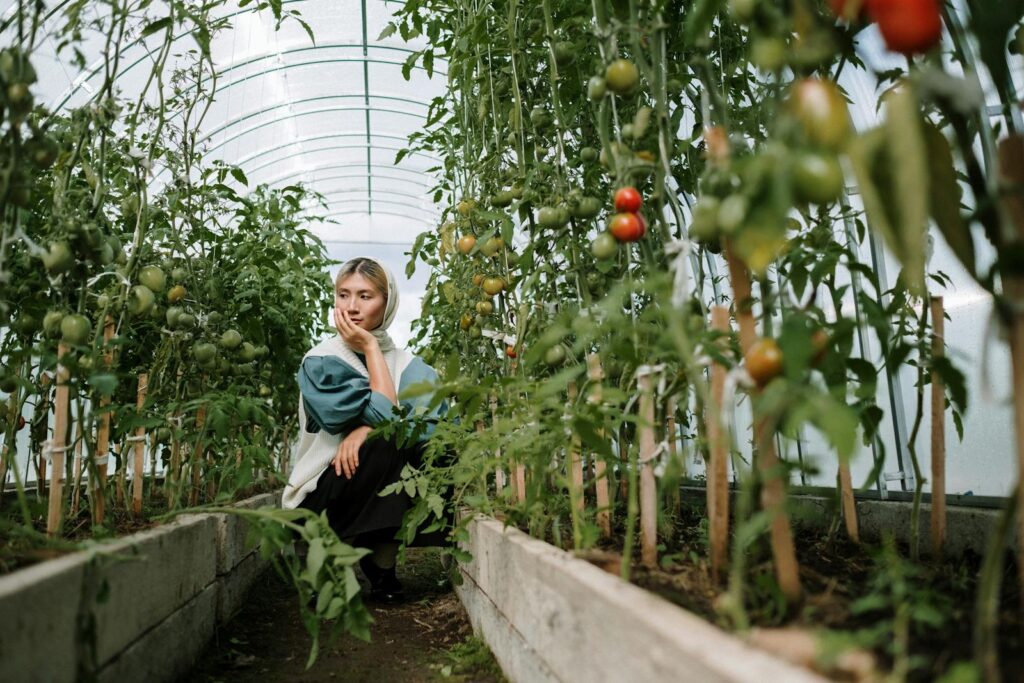
Climate change is reshaping how we grow and produce food. Droughts, floods, and rising temperatures are making it harder for farmers to maintain consistent yields. In the middle of this global challenge, one crop stands out for its strength and versatility: hemp. Known for its durability and rich hemp nutrition, this plant is gaining attention as a potential game-changer for sustainable food production. From improving soil health to providing a nutrient-packed food source, hemp could play a vital role in future food security.
As extreme weather becomes more frequent, the global food supply is under increasing pressure. Many staple crops like wheat, rice, and corn are highly sensitive to temperature shifts and water shortages. Farmers are now seeking crops that can adapt to unpredictable growing conditions without compromising yield or quality.
This is where hemp’s climate change adaptability shines. Industrial hemp can withstand a wide range of environmental conditions. It grows in poor soils, requires relatively little water, and matures quickly, often within three to four months. These characteristics make it one of the most climate-resilient crops available today.
By integrating hemp into farming systems, we can build more stable agricultural networks that continue producing food even under harsh environmental stress.
Hemp is not just tough, it’s also nutritious. The seeds are considered one of the most complete plant-based foods available. They provide a perfect balance of essential fatty acids, proteins, and minerals, making hemp seeds a powerful food in the context of global nutrition.
Here’s a quick look at what makes hemp seeds so valuable:
| Nutrient | Benefit |
|---|---|
| Protein | Contains all nine essential amino acids for human health. |
| Omega-3 & Omega-6 | Promotes heart health and reduces inflammation. |
| Iron & Magnesium | Supports red blood cell production and energy metabolism. |
| Vitamin E | Acts as an antioxidant that protects cells. |
In communities where access to diverse diets is limited, hemp nutrition can provide essential nutrients that many people lack. Its versatility also makes it easy to include in everyday foods, smoothies, bread, snack bars, and cooking oils, all of which benefit from the addition of hemp.
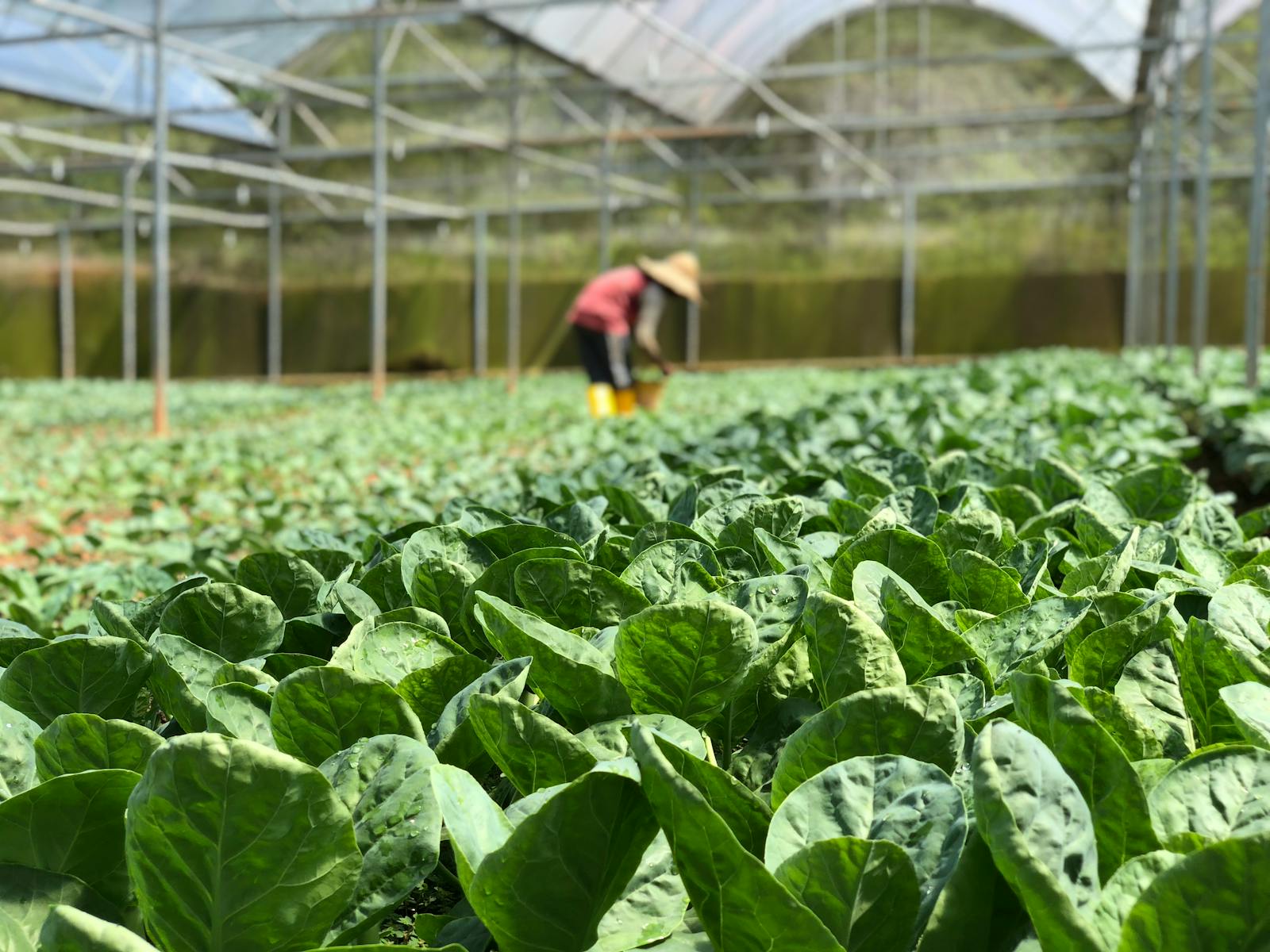
Sustainability isn’t just about what we eat; it’s about how we grow it. Hemp contributes to a healthier planet through several environmental benefits.
These traits make hemp an ideal crop for regenerative farming systems. As more farmers integrate hemp, they contribute not only to food security but also to restoring degraded farmland.
The link between hemp, climate change resilience, and sustainability goes beyond the farm. Hemp helps mitigate the effects of climate change through carbon sequestration and reduced reliance on fossil-fuel-based products.
By supporting industries that use hemp-based materials and food products, we’re also reducing the demand for environmentally damaging alternatives.
The rising global population demands sustainable sources of nutrition that can withstand unpredictable weather. Hemp seed food can help fill that gap. These seeds are easy to transport, have a long shelf life, and can be processed into flour, milk, oil, and protein powder.
In developing regions, hemp cultivation offers farmers an additional income source while improving local diets. Because hemp grows well in marginal soils, it allows communities to make use of land that might not support traditional crops.
A company offering co-packing services for pulses in the USA could also integrate hemp-based ingredients into its product lines. This would not only diversify their offerings but also promote sustainable and climate-smart food production.
Governments and the private sector are recognizing hemp’s potential to support sustainable development goals. The global market for hemp-based foods and products is expanding rapidly, especially as consumers become more environmentally conscious.
Here are a few trends driving hemp’s growth:
These trends are helping position hemp as a key crop in the future of sustainable agriculture and global food systems.
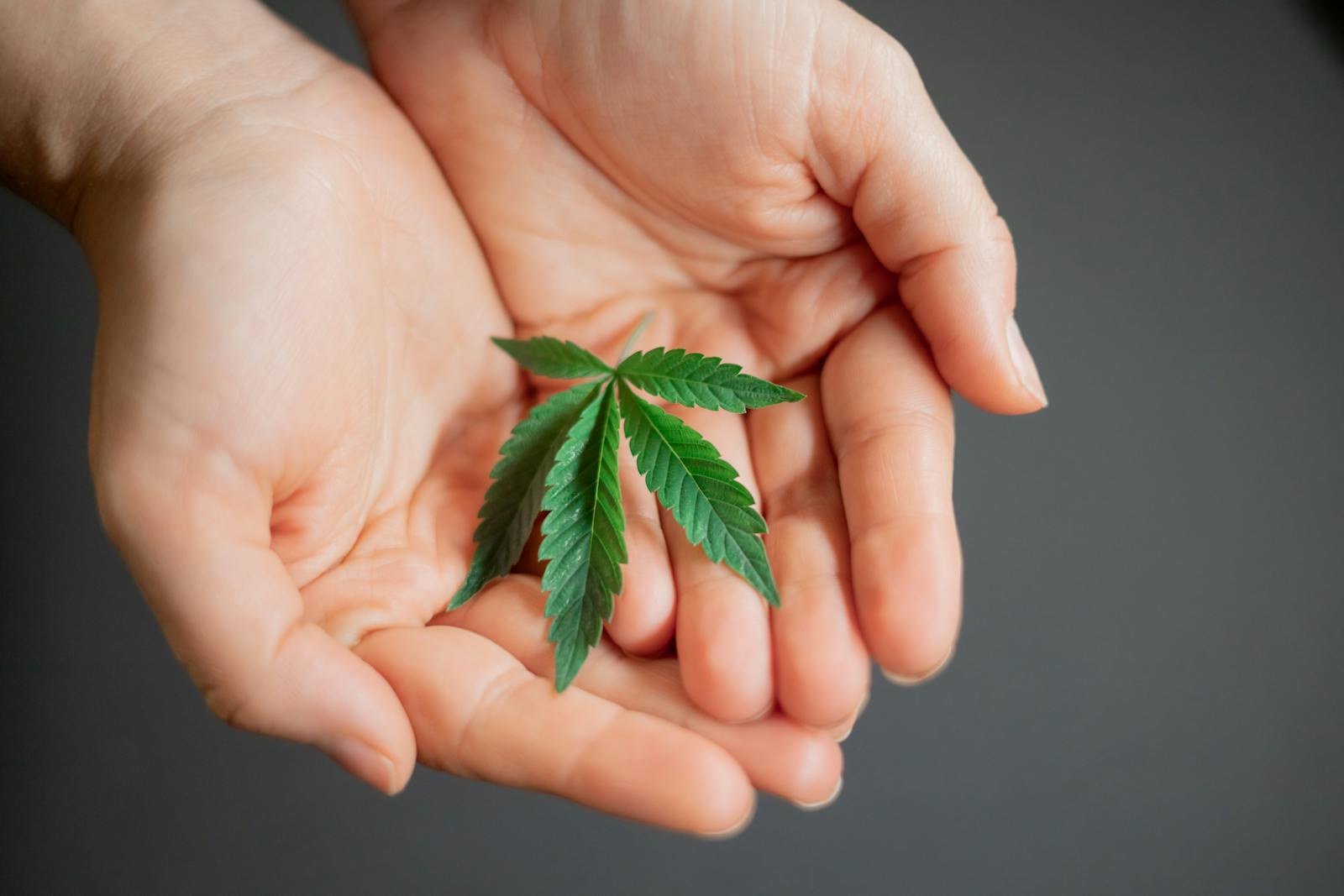
For farmers, hemp offers both economic and environmental advantages. It fits easily into crop rotations and requires minimal input compared to other high-value crops. Hemp also regenerates the soil, preparing it for the next planting season.
Farmers growing hemp experience:
This combination of resilience and profitability makes hemp a strategic crop for securing both income and sustainability.
As global food systems face new challenges, hemp stands ready to provide solutions. Its adaptability, nutritional richness, and environmental benefits make it one of the most promising crops for sustainable agriculture.
By focusing on hemp nutrition, farmers and food producers can help reduce hunger, strengthen economies, and promote eco-friendly growth. Integrating hemp seed food into our diets isn’t just a health choice; it’s a step toward a more stable and sustainable food future.
Take the next step with American Harvest Group. If you’re looking to expand sustainable operations or seeking co-packing services, we are committed to supporting responsible farming and innovative food production across the country.

Divyaa Dharga is a contributor at American Harvest Group, specializing in industrial hemp, sustainable agriculture, and emerging biomaterials. With a strong interest in regenerative farming practices and the evolving global hemp economy, she creates research-driven content that helps readers understand cultivation methods, supply chain developments, and innovative applications of hemp-based products. Through in-depth articles and industry insights, Divyaa Dharga supports American Harvest Group’s mission to promote environmentally responsible and economically viable hemp solutions.

