

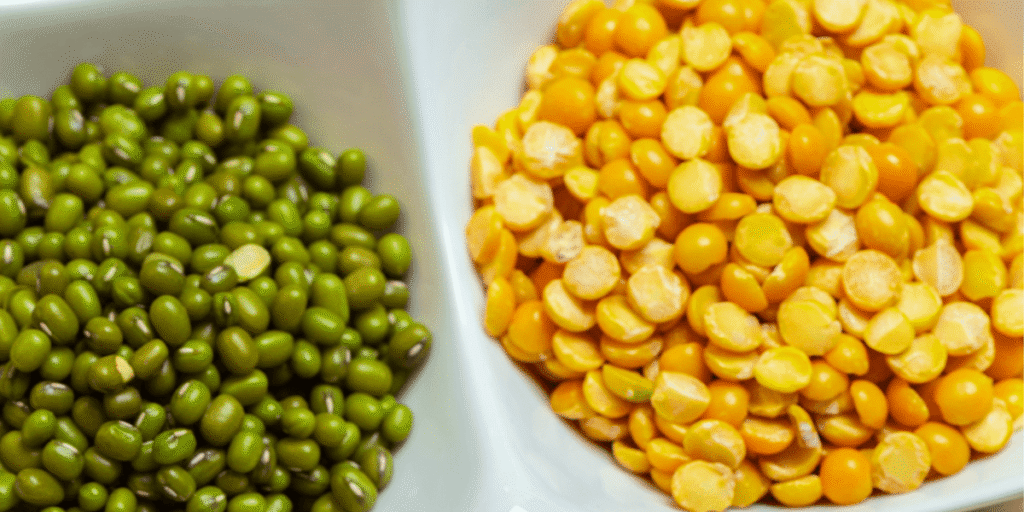
Green and yellow peas have quietly become some of the hardest-working ingredients in modern food manufacturing. They are no longer limited to soups or side dishes. Today, they show up in snacks, beverages, meat alternatives, baked goods, and ready-to-eat meals. Food manufacturers like them for simple reasons. Peas help improve texture, enhance taste, and add nutrition without making products complicated or artificial. Consumers also feel good about seeing peas on an ingredient label because they recognize the name and trust it.
This blog breaks down how peas are used behind the scenes, why manufacturers rely on them, and what makes them such a flexible ingredient in today’s food market.
Peas bring a rare combination of functionality and nutrition. They are mild in flavor, easy to process, and naturally rich in protein and fiber. Green peas tend to have a slightly sweeter profile, while yellow peas are more neutral. This difference allows manufacturers to choose the best option depending on the product.
Peas also work well with modern processing methods. They can be milled, split, fermented, or isolated into proteins and starches without losing their core benefits. For companies focused on clean-label food ingredients, peas help simplify formulations while still delivering performance.
Texture is one of the biggest reasons peas are used in packaged foods. Consumers may not always notice it, but mouthfeel strongly affects satisfaction.
Pea starches absorb water and swell during cooking. This helps thicken sauces, soups, and plant-based spreads. In baked goods, peas improve structure without relying on synthetic binders.
Common texture-related benefits include:
Pea ingredients can create a creamy texture in dairy-free products. Plant-based milks, yogurts, and frozen desserts often use pea proteins and starches to mimic the body of dairy. This is especially important for products that aim to satisfy mainstream consumers, not just niche buyers.
Taste balance is critical in food formulation. Ingredients that dominate flavor can limit where they are used. Peas stand out because they stay in the background.
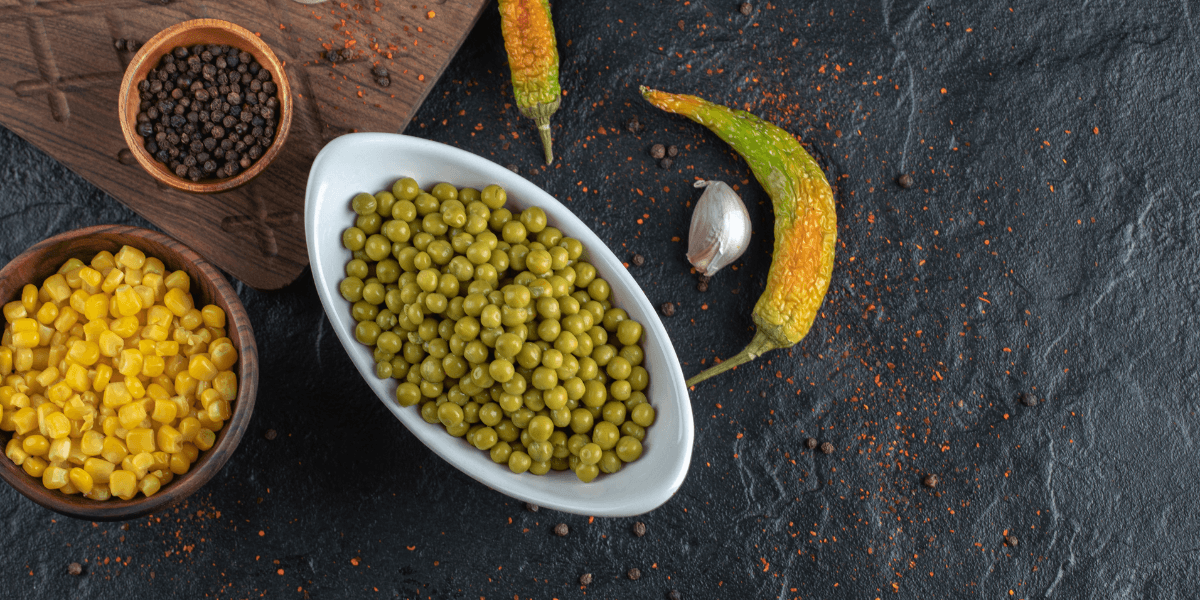
Yellow peas, in particular, have a neutral taste that blends easily with savory or sweet applications. Green peas bring a subtle sweetness that works well in snacks and ready meals.
Manufacturers often prefer peas because:
Pea-based ingredients help distribute flavors evenly. Their binding and water-holding capacity allow seasonings to stick better, which creates a more consistent bite from start to finish.
Modern shoppers expect more from food. They want protein, fiber, and recognizable ingredients. Peas help manufacturers meet those expectations naturally.
Peas are a major source of plant-based protein ingredients. They contain essential amino acids and are well-digested by most people. This makes them suitable for a wide range of products, from protein shakes to snack foods.
Key pea protein benefits include:
Beyond protein, peas contribute dietary fiber, iron, potassium, and magnesium. These nutrients support digestive health and overall wellness, which strengthens on-pack claims without exaggeration.
Food companies use peas in many different formats, depending on the product goal. Pea protein for food manufacturing is available as concentrates, isolates, and textured forms.
Pea protein shows up across categories:
Because peas handle heat and processing well, they retain functionality even after cooking, freezing, or drying.
Turning raw peas into functional ingredients takes careful processing. Manufacturers remove hulls, separate starch from protein, and refine textures without stripping away value.
This is where sourcing matters. Many companies prefer working with a specialty crop supplier in North Dakota, like American Harvest Group, to ensure consistency, traceability, and reliable quality from harvest to final ingredient.
| Feature | Green Peas | Yellow Peas |
| Flavor | Slightly sweet | Neutral |
| Common Uses | Ready meals, snacks | Protein powders, meat alternatives |
| Protein Content | Moderate | High |
| Color Impact | Adds green tint | Minimal color change |
| Texture Contribution | Soft and tender | Firm and structured |
This flexibility allows formulators to choose the right pea type for each application without compromise.
Consumers read labels more closely than ever. Short ingredient lists feel safer and more honest. Peas help manufacturers remove artificial stabilizers and fillers while keeping products appealing.
Using peas supports:
That trust plays a big role in repeat purchases and brand loyalty.
Peas are also environmentally practical. They require less water than many protein crops and naturally improve soil health through nitrogen fixation. This makes them a responsible choice for long-term production.
From a supply standpoint, peas store well, ship efficiently, and fit into regional agriculture systems across the United States and Canada.
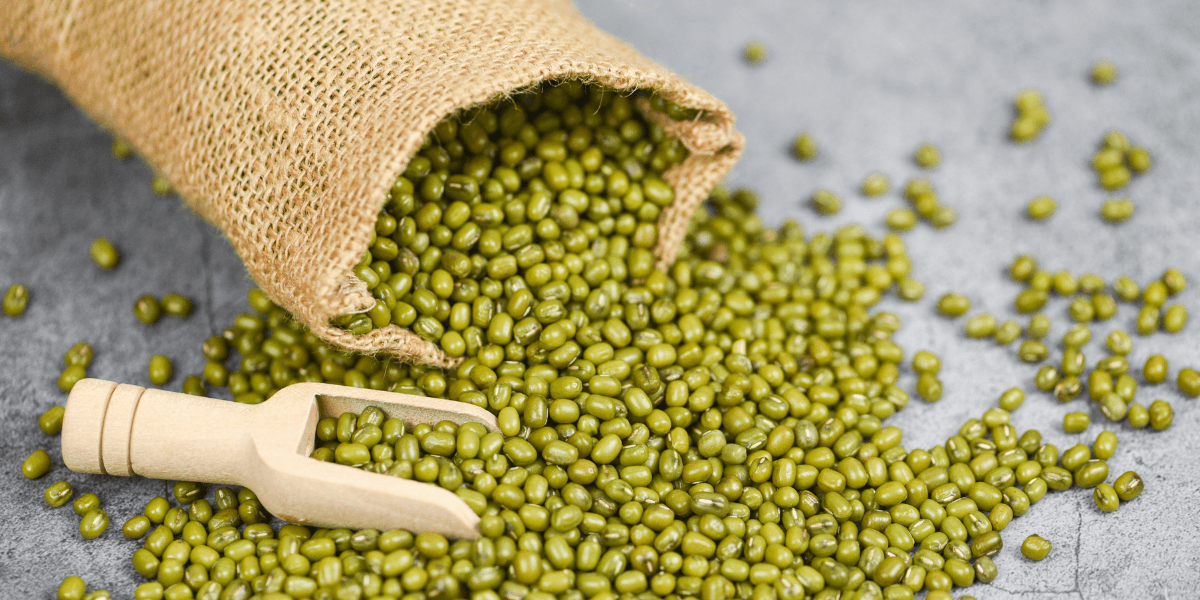
Innovation in food manufacturing is moving fast, but peas keep showing up for good reason. They adapt to new formats without losing appeal. As processing technology improves, pea-based ingredients become even smoother, cleaner, and more versatile.
Manufacturers appreciate ingredients that solve multiple problems at once. Peas improve texture, support flavor, and enhance nutrition, all while keeping labels simple.
Green and yellow peas have earned their place in today’s food industry. They help manufacturers meet consumer demands without overcomplicating recipes. From texture and taste to protein and sustainability, peas check many boxes at once.
As interest in better-for-you foods grows, peas will likely remain a core ingredient across categories. They are familiar, functional, and flexible enough to support innovation without sacrificing trust.
If your company is sourcing high-quality pea ingredients, American Harvest Group works closely with growers and processors across key agricultural regions. As a trusted green lentil supplier in Montana, we support consistent quality, responsible sourcing, and dependable supply for food manufacturers nationwide.

Divyaa Dharga is a contributor at American Harvest Group, specializing in industrial hemp, sustainable agriculture, and emerging biomaterials. With a strong interest in regenerative farming practices and the evolving global hemp economy, she creates research-driven content that helps readers understand cultivation methods, supply chain developments, and innovative applications of hemp-based products. Through in-depth articles and industry insights, Divyaa Dharga supports American Harvest Group’s mission to promote environmentally responsible and economically viable hemp solutions.

