


As climate concerns grow and soil health declines, many farmers are looking for crops that can restore the land while remaining profitable. Industrial hemp is emerging as one of the strongest contenders in regenerative agriculture. Its natural ability to improve soil, store carbon, and reduce the need for chemical inputs makes it a game-changer for sustainable farming. Understanding how hemp fits into regenerative systems shows why it’s more than just a profitable crop; it’s part of a larger environmental solution.
Regenerative farming focuses on rebuilding soil health, increasing biodiversity, and reducing dependency on synthetic chemicals. Unlike traditional methods that deplete the land over time, regenerative agriculture works with nature. Farmers use techniques like crop rotation, cover cropping, and minimal tilling to restore nutrients and improve soil structure.
In this system, hemp plays an important role. Hemp, as a cover crop, not only protects the soil from erosion but also enhances the natural ecosystem of a farm. By cycling nutrients and improving organic matter, hemp supports a sustainable balance that benefits both farmers and the planet.
Hemp has unique agricultural advantages that make it perfect for regenerative practices. Here’s what makes it stand out:
These features make hemp an ideal cover crop, particularly for farmers who want to restore degraded soils or reduce their reliance on synthetic inputs.
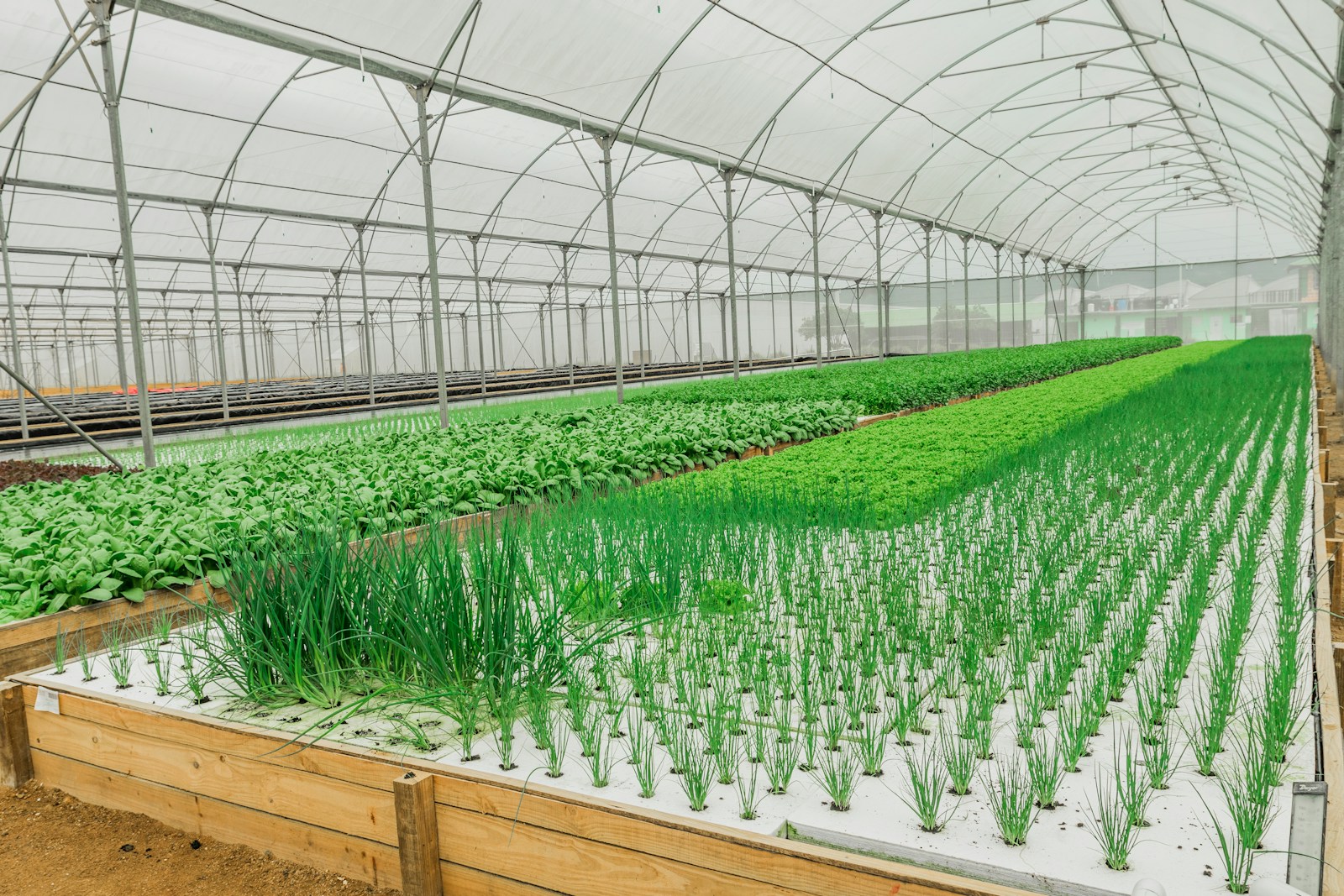
One of the most exciting benefits of industrial hemp lies in its ability to capture and store carbon dioxide. Hemp carbon sequestration occurs naturally as the plant grows. It absorbs large amounts of CO₂ from the atmosphere and locks it into both the plant tissue and the soil.
| Process | Description | Environmental Benefit |
| Photosynthesis | Hemp absorbs CO₂ during growth. | Reduces greenhouse gases. |
| Root Carbon Storage | Carbon from plant roots remains in the soil after harvest. | Improves soil carbon levels. |
| Biomass Use | Hemp stalks and leaves can be turned into sustainable materials. | Keeps carbon locked in products. |
On average, one acre of hemp can absorb around 10 tons of CO₂ during its growing cycle. That’s more than most commercial crops. This capacity for hemp carbon sequestration positions it as one of the most efficient natural tools for tackling climate change.
The hemp environmental impact is notably positive compared to traditional crops. Hemp requires minimal fertilizers, very little pesticide use, and moderate water input. It grows fast, typically within four months, and thrives in various climates, making it a resilient choice for sustainable farms.
Here are some ways hemp supports environmental regeneration:
For example, a farm that grows hemp between cycles of vegetables or grains can see long-term gains in soil fertility and structure. The result is a regenerative loop, healthy soil produces healthy crops, and those crops continue to feed the soil.
Across the United States, hemp farmers are incorporating this crop into their regenerative systems with impressive results. Some are using hemp as a seasonal rotation crop to restore soil balance, while others are planting it alongside companion species for biodiversity.
Hemp growers often adopt sustainable practices like:
These strategies make hemp an effective part of the broader push toward climate-smart agriculture. Farmers also benefit financially since hemp can be processed into multiple products such as textiles, building materials, food supplements, and packaging.
For instance, a supplier providing food-grade crop packaging in the USA could use industrial hemp fibres to create biodegradable containers. This connection between agriculture and sustainable manufacturing forms a powerful partnership for future industries.
The demand for hemp-based products has grown rapidly, from clothing and cosmetics to bio-composites and insulation. This shift has opened new doors for hemp farmers. By integrating hemp into their rotations, they can diversify income while improving land value through regenerative farming.
In many states, local processors and cooperatives are helping hemp growers connect directly to manufacturers. This streamlines the supply chain and keeps profits within farming communities. The future of hemp isn’t just in cultivation, it’s in creating entire ecosystems of sustainable production.
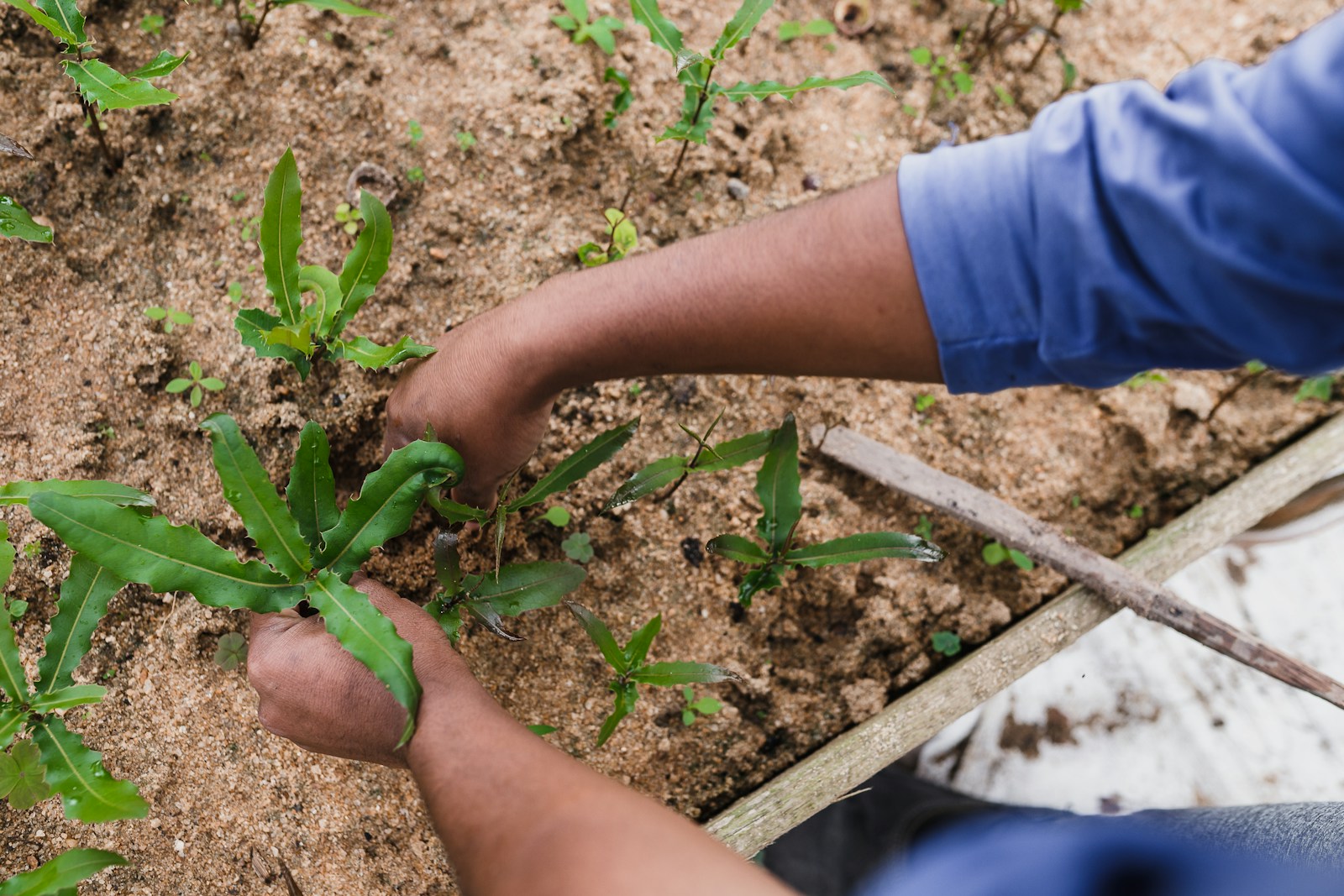
Healthy soil is the foundation of regenerative farming, and hemp contributes to it in several ways. It increases microbial activity, promotes nutrient cycling, and adds organic matter that stabilizes soil structure. Farmers who rotate hemp with legumes or grains often notice richer, darker soil within a few growing cycles.
Here’s a quick comparison of hemp’s soil benefits:
| Benefit | Hemp’s Contribution | Long-Term Result |
| Soil Aeration | Deep roots break compacted layers. | Improved drainage and root growth. |
| Organic Matter | Biomass adds nutrients post-harvest. | Enhanced fertility and water retention. |
| Erosion Control | Thick canopy shields soil. | Less topsoil loss and wind erosion. |
This makes hemp cover crop rotations not only good for the land but also a sustainable long-term investment for farmers who value resilience and productivity.
Industrial hemp is far more than a versatile plant; it’s a regenerative powerhouse. Its deep roots, fast growth, and natural carbon-storing abilities give it a unique edge in restoring degraded farmlands. The positive hemp environmental impact and strong hemp carbon sequestration potential make it one of the most valuable crops for the future of sustainable agriculture.
As the world looks for ways to reduce emissions and rebuild soil, hemp offers a practical and profitable solution. From enriching farmlands to supporting eco-conscious industries, hemp is setting the foundation for a cleaner, greener future.
Take the next step with American Harvest Group. If you’re interested in sustainable farming or looking to connect with a pulse processing plant in North Dakota, we can help you source and develop regenerative solutions that make a real impact.

Divyaa Dharga is a contributor at American Harvest Group, specializing in industrial hemp, sustainable agriculture, and emerging biomaterials. With a strong interest in regenerative farming practices and the evolving global hemp economy, she creates research-driven content that helps readers understand cultivation methods, supply chain developments, and innovative applications of hemp-based products. Through in-depth articles and industry insights, Divyaa Dharga supports American Harvest Group’s mission to promote environmentally responsible and economically viable hemp solutions.

