


Pulse crops, peas, lentils, chickpeas, and other legumes are moving from niche ingredient status into mainstream manufacturing kits across snacks, meat alternatives, bakery, and ready meals. Their nutritional profile, shelf stability, and relative resistance to price swings make them attractive partners for food manufacturers looking for more predictable inputs. Let’s walk you through practical ways pulses reduce supply fragility, highlight common risks, and outline operational steps food makers can use to build more resilient value chains.
Pulses deliver protein, fiber, and functional properties such as binding and water-holding that work well in many processing lines. Compared to some oilseeds or fresh produce inputs, pulse-derived ingredients keep longer in warehouses and travel well across long logistics routes. That storage robustness helps preserve input quality during seasonal shifts and shipment delays, boosting overall food ingredient stability of pulses for manufacturers.
Global production hotspots for lentils and chickpeas cluster in a handful of countries; shifts in planting patterns, export policies, or weather in these regions quickly ripple through global markets. These dynamics create specific risk profiles for supply risk for lentils and chickpeas that manufacturers must map into procurement plans.
Pulses face harvest-timing risk and post-harvest quality degradation if storage infrastructure is weak. Proper drying, fumigation, and humidity control are essential to prevent loss, mould, or insect damage that would force last-minute sourcing changes.
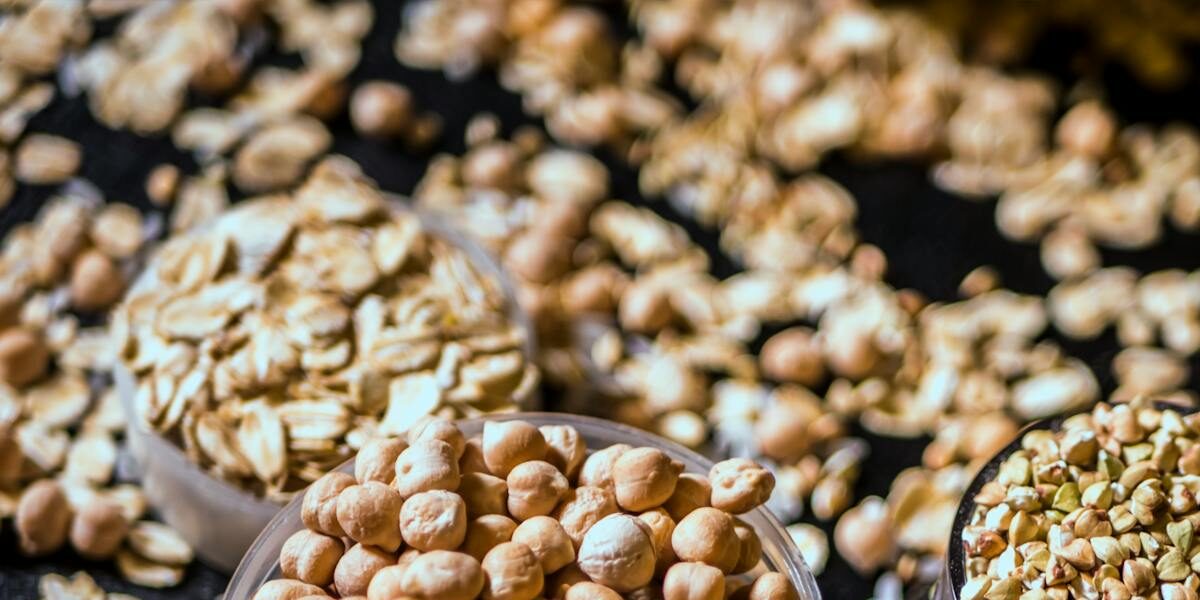
Pulse crops move through a well-established processing spectrum: whole dried grain, split pulses, flours, concentrates, and isolates. This flexibility in product format creates options when one form becomes scarce, reinforcing the value chain manufacturing of pulses for firms that plan product recipes across forms.
Producers often coordinate through cooperatives or contract arrangements that standardize quality, aggregate volumes, and smooth delivery schedules. Manufacturers that engage directly with these networks reduce reliance on spot markets and improve visibility into upcoming harvests.
Sourcing lentils or chickpeas from multiple regions and buying both whole and processed forms lowers the chance that a single weather event or trade policy will derail supply. Blending origins into a procurement mix also helps stabilize price exposure across seasons.
Multi-season contracts with processors or farmer groups create supply predictability. When manufacturers commit to purchase volumes ahead of harvest, processors can prioritize aggregation and storage investments that improve delivery reliability.
Given pulses’ strong shelf life, manufacturers can carry safety stocks that absorb short-term supply shocks. Clear rotation rules and regular quality checks keep stored pulses ready for rapid production use.
Design products so pulse flours, concentrates, or isolates can substitute for one another with minimal reformulation work. Modular recipes let manufacturing teams swap input forms quickly if one material’s availability drops.
Agreeing on strict but realistic quality parameters, moisture content, foreign matter, and protein levels reduces rejection rates and simplifies acceptance checks at receiving points. Standardization helps both procurement and production teams operate faster and with fewer exceptions.
Where possible, configure lines to handle whole legumes and ground flours without long changeover times. This operational flexibility turns supply-side variability into a manageable scheduling question rather than a production-stopping event.
Working directly with processors and farmer groups builds mutual trust and offers an earlier warning about crop conditions. Investments in capacity building at the farm or aggregation level, such as better drying, storage, or quality testing, reduce post-harvest losses that commonly trigger supply gaps.
Traceability platforms that log lot-level origin, harvest date, and storage conditions give procurement teams the data to make fast sourcing decisions. Digital records support quick segregation of suspected problem lots and reduce wide-scale recalls.
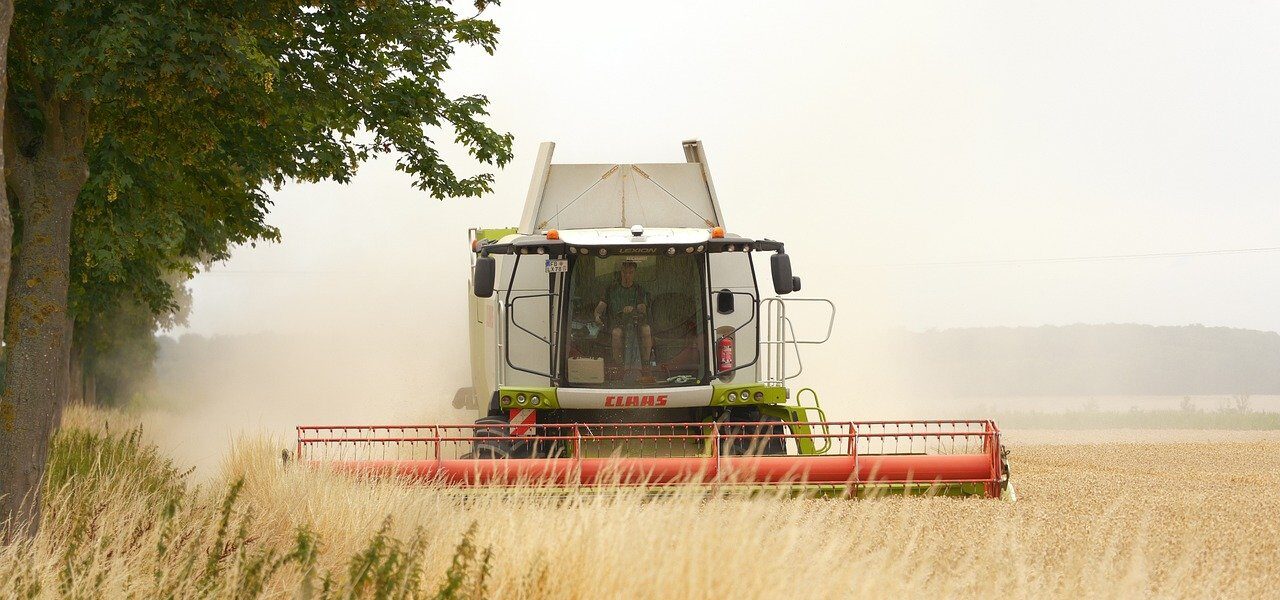
Pulse crops bring agronomic benefits, nitrogen fixation, and improved soil structure that support rotation systems and long-term productivity. Investing in rotational planning improves regional yield stability and lowers vulnerability to single-crop collapse.
Consumers increasingly expect responsible sourcing. Working with suppliers, like American Harvest Group, that adopt sustainable farming solutions and transparent environmental practices reduces reputational risk and can create preferential access to premium, stable supplies.
Recent market reviews and international trade insights point to increasing investment in pulse-ingredient processing facilities, alongside ongoing research focused on creating cleaner, flavour-neutral protein isolates. These developments signal an industry moving toward greater technical depth, stronger production resilience, and wider commercial readiness, giving food manufacturers a more dependable foundation as demand expands across plant-based and hybrid product categories.
Food manufacturers that invest in upstream partnerships often unlock co-investment in storage, processing, or seed systems. Even firms outside traditional pulse markets, such as plant-based brands or snack makers, find value in these upstream ties. Note that some hemp manufacturers in the USA are exploring neighboring crops as part of broader ingredient strategies; for example, certain producers in other categories are pursuing parallel investments in processing infrastructure that can inspire cross-commodity logistics solutions.
A steady pulse-based supply chain rests on smart sourcing, clear quality standards, stronger traceability, adaptable recipes, supplier development, and a modest buffer of safety stock. Together, these steps cut sourcing volatility and support more predictable production across seasons.
American Harvest Group helps food manufacturers secure stable, traceable pulse supplies and scale ingredient programs that reduce operational fragility. Contact our sourcing team to explore partnerships and supply solutions tailored to your product roadmap!

Divyaa Dharga is a contributor at American Harvest Group, specializing in industrial hemp, sustainable agriculture, and emerging biomaterials. With a strong interest in regenerative farming practices and the evolving global hemp economy, she creates research-driven content that helps readers understand cultivation methods, supply chain developments, and innovative applications of hemp-based products. Through in-depth articles and industry insights, Divyaa Dharga supports American Harvest Group’s mission to promote environmentally responsible and economically viable hemp solutions.

