

The growing demand for eco-friendly alternatives has shifted global attention toward materials that promote sustainability and reduce waste. Among these, industrial hemp stands out as a versatile and renewable crop that supports a circular economy model, one where resources are reused, recycled, and regenerated rather than discarded. This plant’s remarkable adaptability and minimal environmental footprint make it one of the strongest contenders in building a more sustainable future.
Hemp sustainability lies in its ability to thrive in diverse climates without relying heavily on pesticides, herbicides, or synthetic fertilizers. It grows rapidly, often reaching maturity in just 100 to 120 days, and its deep roots improve soil structure and prevent erosion. Unlike many conventional crops, hemp contributes to soil health instead of depleting it.
The plant’s carbon absorption rate is impressive. Each hectare of industrial hemp can absorb up to 15 tonnes of CO₂, making it a powerful tool in climate change mitigation. Its entire structure, from stalk to seed, can be repurposed, ensuring minimal waste and maximum productivity.
In a circular economy, the goal is to minimize waste and create a closed-loop system of production and consumption. Industrial hemp fits seamlessly into this model due to its renewability and multifunctional applications. Every part of the plant has industrial potential, contributing to diverse sectors: construction, textiles, paper, bioplastics, food, and cosmetics.
Unlike crops that serve only one industry, hemp provides resources for multiple manufacturing processes. The stalk, for instance, produces fibers and hurds; seeds yield oil and protein-rich food products; and leaves can be used in bio-based compounds. This interconnected cycle mirrors the core principle of circularity: nothing goes to waste.
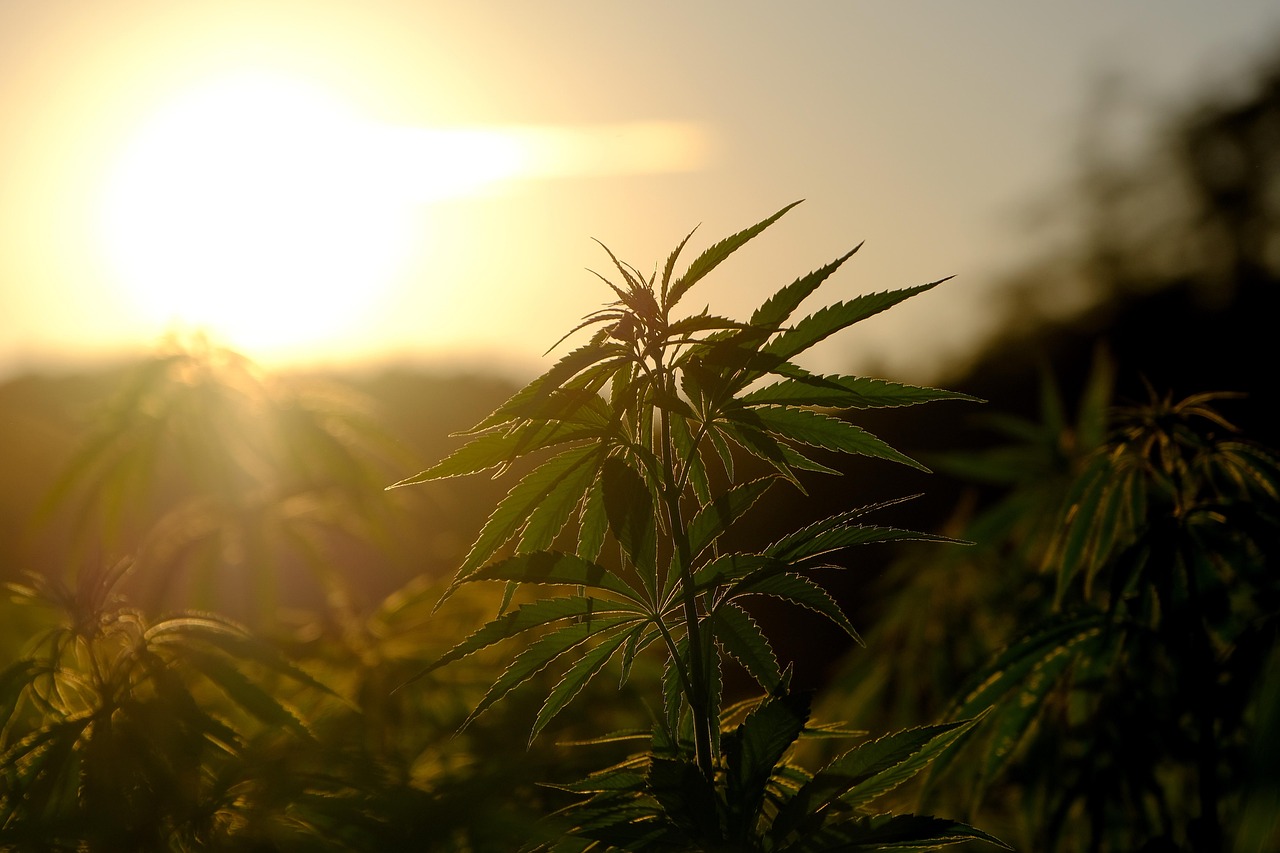
The world’s dependence on non-renewable resources like plastics, synthetic fabrics, and concrete has taken a toll on the environment. Hemp offers an eco-friendly solution through a variety of sustainable materials that replace these harmful alternatives.
A mix of hemp hurds and lime, hempcrete is lightweight and durable, offering excellent insulation while naturally absorbing carbon.
Long bast fibers are used for textiles and ropes. Compared to cotton, hemp uses less water and produces stronger fabrics.
Hemp cellulose can be processed into biodegradable plastics used in packaging and industrial applications.
Hemp paper lasts longer and needs fewer chemicals in production. It also yields more pulp per acre than trees, helping reduce deforestation.
Each of these materials supports the circular economy by promoting recyclability and cutting down on carbon emissions across production chains.
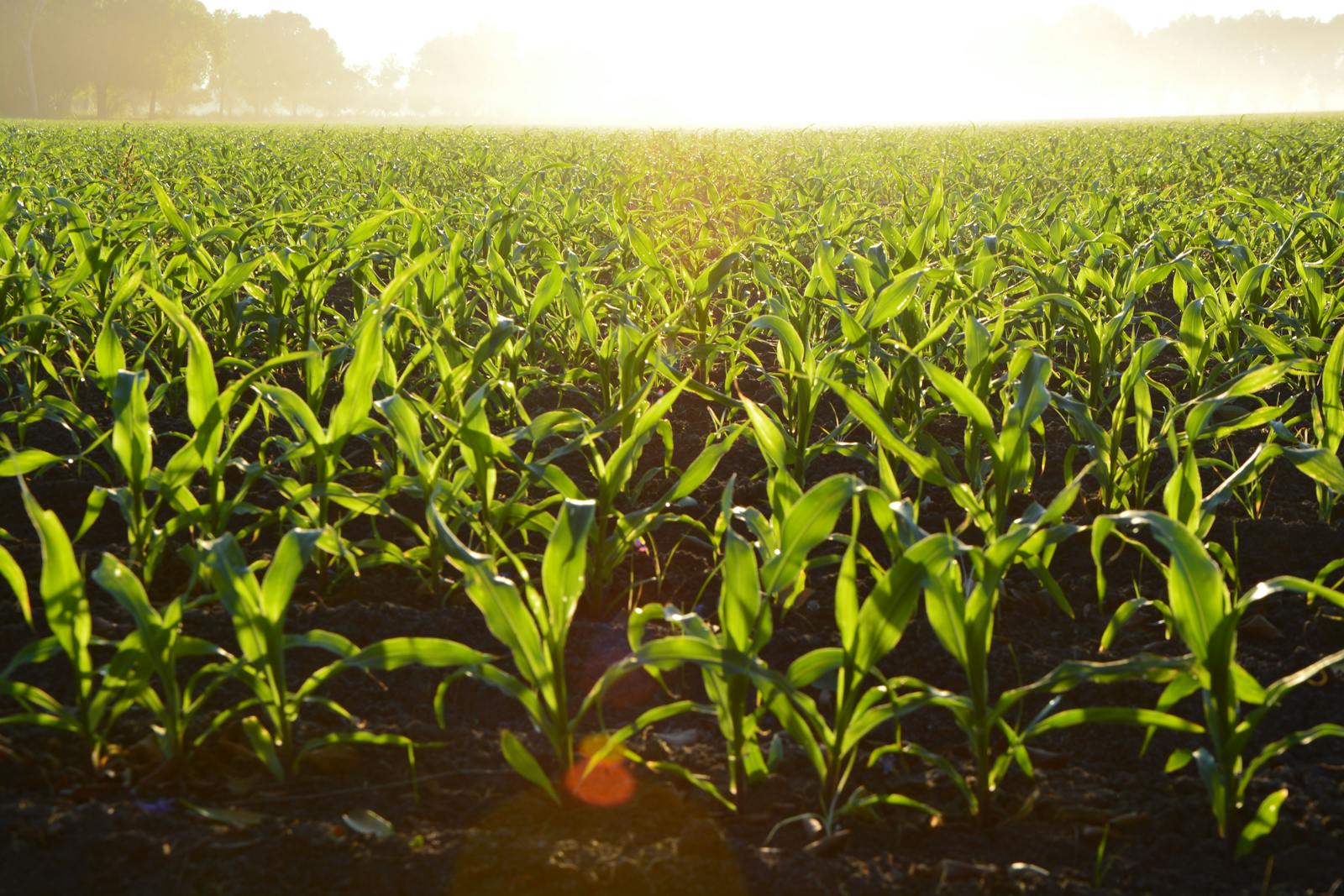
Industrial hemp’s environmental benefits go beyond product applications. As a rotational crop, it revitalizes soil for future planting. Its dense canopy suppresses weeds, minimizing the need for herbicides.
Hemp cultivation consumes significantly less water than cotton or corn, making it suitable for regions facing water scarcity. It also offers financial stability for farmers since it grows in varied climates and produces valuable raw materials for different industries.
The integration of industrial hemp into modern manufacturing highlights how sustainable agriculture and technology can work together. Hemp-based materials are being used to create eco-friendly automotive parts, biodegradable packaging, and renewable construction products.
The global hemp industry is growing rapidly due to rising environmental awareness and supportive legislation. Hemp-based products are becoming mainstream, creating new markets for producers, manufacturers, and investors.
As more industries embrace eco-conscious practices, industrial hemp stands at the forefront of green innovation. Its adaptability across multiple sectors, construction, textiles, automotive, and packaging, makes it a valuable component in sustainable manufacturing. Startups and established brands alike are exploring hemp-based solutions to meet consumer demand for renewable materials while maintaining quality and performance.
A bulk chickpeas exporter in the USA focusing on agricultural sustainability could diversify through hemp cultivation, while a retail packaging company might adopt hemp materials to develop biodegradable packaging. These collaborations strengthen circular production networks and drive innovation across industries.
The circular economy thrives on regeneration, restoring what is taken and optimizing existing resources. Industrial hemp embodies this principle through soil restoration, carbon capture, and renewable product creation.
Unlike conventional crops that degrade land over time, hemp supports long-term ecosystem health. It strengthens economic resilience while driving innovation across the agriculture and manufacturing sectors.
Industrial hemp represents a rare harmony between ecological preservation and economic growth. Its low environmental footprint and wide industrial potential make it a leading example of how nature and business can progress together.
Hemp’s contribution to renewable construction, green textiles, and biodegradable plastics showcases its transformative role in global sustainability. As industries look for natural alternatives, hemp stands as a model of efficiency, durability, and regeneration.
Industrial hemp proves that sustainability and productivity can coexist. Its wide range of applications, low environmental impact, and potential for economic growth make it an essential pillar of the circular economy. As industries shift toward renewable resources and eco-conscious production methods, hemp’s role will only grow stronger, bridging the gap between agriculture and innovation.
Looking for sustainable agricultural and industrial solutions? American Harvest Group promotes responsible growth through eco-friendly resources like industrial hemp. Connect with our small retail packaging company in the USA today to explore how this remarkable plant can contribute to your sustainability goals!

Divyaa Dharga is a contributor at American Harvest Group, specializing in industrial hemp, sustainable agriculture, and emerging biomaterials. With a strong interest in regenerative farming practices and the evolving global hemp economy, she creates research-driven content that helps readers understand cultivation methods, supply chain developments, and innovative applications of hemp-based products. Through in-depth articles and industry insights, Divyaa Dharga supports American Harvest Group’s mission to promote environmentally responsible and economically viable hemp solutions.

