

Industrial hemp is one of the most versatile crops on the planet. It can be used to make paper, textiles, food, building materials, and even biofuel. But as demand grows, efficient processing becomes the key to unlocking its full potential. Modern hemp processing technology is changing how farmers and manufacturers handle this ancient plant, improving both yield and product quality. From advanced decortication systems to new drying methods, innovation is helping hemp reach its highest value across multiple industries.
Hemp processing is the step that turns the plant into useful materials. The plant is divided into three main components, each with its own purpose:
By improving both speed and quality, modern hemp processing has made the plant a highly versatile and sustainable resource.
| Part of the Plant | Common Uses | Processing Focus |
| Fiber | Textiles, ropes, paper | Cleaning, decortication, drying |
| Hurd | Animal bedding, construction blocks | Size reduction, drying |
| Seed | Oils, foods, cosmetics | Cleaning, dehulling, pressing |
The rise of high-tech hemp fiber processing equipment allows producers to maximize the use of every part of the plant, cutting down waste and boosting profit margins.

Hemp fiber processing used to rely on labor-intensive methods. Farmers had to cut, ret, and dry hemp manually before it was ready for use. Retting, the process of breaking down the plant’s outer layer, took weeks and was highly weather-dependent.
New technologies have changed all that. Here are a few of the most important improvements:
These innovations reduce processing time from weeks to hours and ensure that hemp composite materials meet industrial standards.
One of the biggest challenges in hemp production is moisture management. If not dried properly, hemp can mold, lose quality, or even become unusable. That’s why new hemp processing technology includes advanced drying systems designed to preserve fiber strength and seed quality.
Modern drying units use:
Cleaning technology has also advanced. Instead of manual sorting, high-efficiency cleaners now remove dust, stems, and unwanted material automatically, which boosts purity and reduces labor costs.
The development of hemp composite materials is one of the most exciting areas of innovation in hemp processing. These materials are lightweight, durable, and sustainable, making them popular in automotive, construction, and packaging industries.
| Industry | Example Applications | Benefits |
| Automotive | Door panels, dashboards | Lighter weight, recyclable |
| Construction | Hempcrete, insulation | Strong, breathable, and energy-efficient |
| Packaging | Biodegradable trays and wraps | Reduces plastic use |
In the packaging industry, for example, a small retail packaging company in the USA, like American Harvest Group, could adopt hemp composites to create eco-friendly alternatives to plastic. As these materials become more cost-effective, they’re expected to replace traditional plastics in many applications.
Automation is at the heart of modern hemp processing technology. Using robotics and computer-controlled systems, processors can achieve consistent quality across large batches.
Benefits of automation include:
By integrating automation into hemp fiber processing, producers are seeing measurable improvements in efficiency and profit margins.
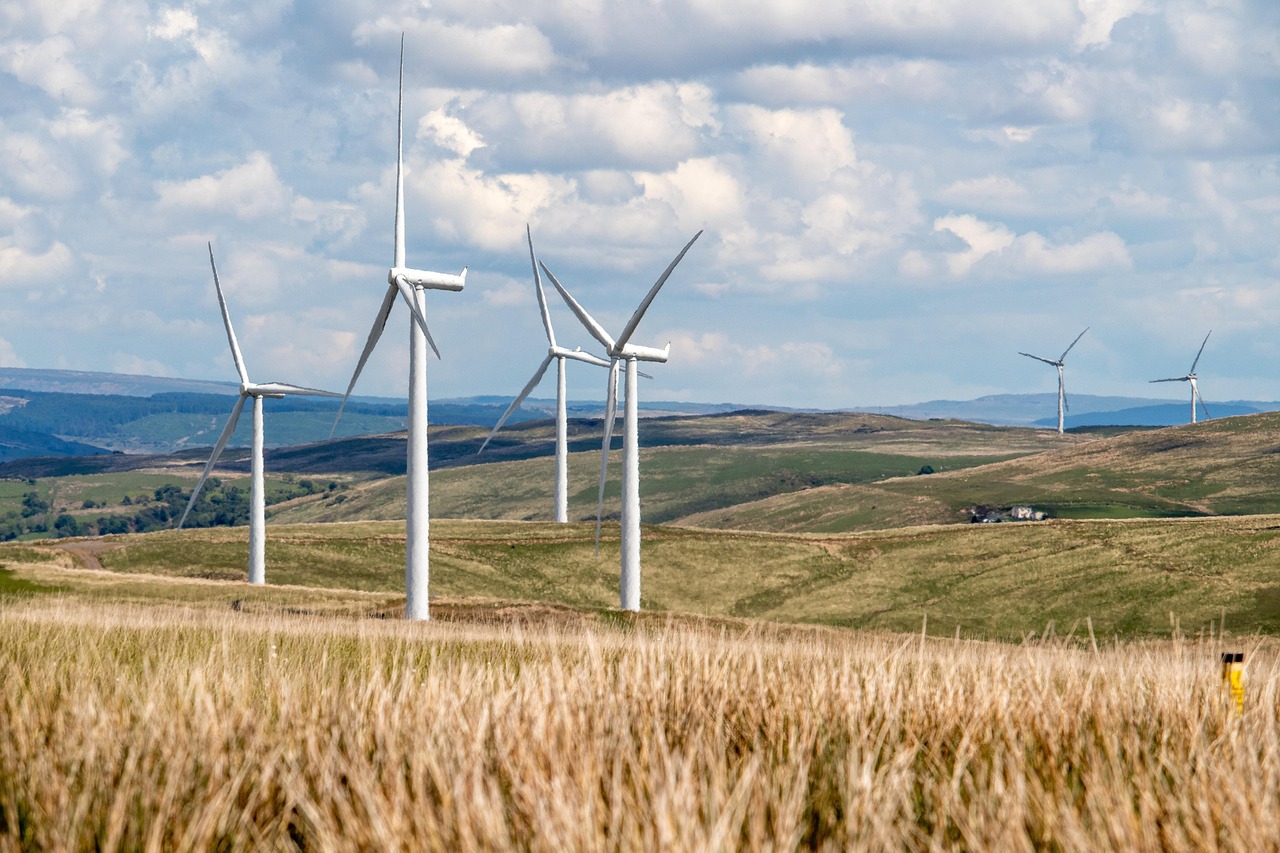
Innovation in hemp processing is also driving sustainability. Many modern facilities are designed with circular systems that recycle water, reduce energy use, and minimize waste.
For example:
These systems not only reduce environmental impact but also strengthen hemp’s role as a renewable resource. The combination of sustainability and technology is helping hemp producers meet both market and environmental demands.
While the progress in hemp processing technology is impressive, there are still areas that need improvement:
However, as more investors and companies enter the hemp market, these challenges are being addressed. Collaborative networks between processors, farmers, and technology developers are speeding up the growth of this industry.
The future of hemp lies in smart, efficient, and sustainable processing. Advanced hemp fiber processing technologies are making it possible to produce cleaner, stronger materials faster than ever before. Meanwhile, hemp composite materials are opening doors in industries that once relied solely on petroleum-based products.
As more countries recognize hemp’s economic and environmental potential, investment in processing infrastructure will continue to grow. This will ensure consistent quality, better yields, and a stronger presence in global markets.
Take the next step with American Harvest Group. If you’re interested in sustainable hemp-based materials, we support businesses that want to grow responsibly and remain competitive in the rapidly evolving green economy.

Divyaa Dharga is a contributor at American Harvest Group, specializing in industrial hemp, sustainable agriculture, and emerging biomaterials. With a strong interest in regenerative farming practices and the evolving global hemp economy, she creates research-driven content that helps readers understand cultivation methods, supply chain developments, and innovative applications of hemp-based products. Through in-depth articles and industry insights, Divyaa Dharga supports American Harvest Group’s mission to promote environmentally responsible and economically viable hemp solutions.

