


Have you ever wondered how your favorite lentils or chickpeas maintain their rich flavor, texture, and nutrition even after months on store shelves?
As global food demands evolve, pulses such as lentils, chickpeas, beans, and peas have become vital sources of plant-based nutrition, valued for their protein, fiber, and minerals. Yet, processing these grains without losing their natural quality has long been a challenge for producers.
Today, innovative food processing technologies are transforming this landscape; introducing advanced methods of cleaning, milling, drying, and packaging that preserve freshness, extend shelf life, and support more sustainable, efficient production systems worldwide.
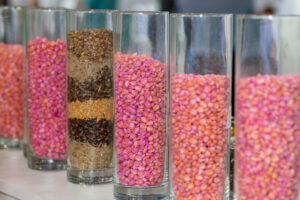
Pulses were once handled through simple mechanical systems that relied heavily on manual labor. Modern plants now feature smart automation, precision sensors, and sustainable systems that reduce waste and optimize production.
Automated processing reduces variability and human error. Machines monitor heat, humidity, and airflow to create controlled environments that protect nutrients and flavor during cleaning and drying.
Digital monitoring tools have become an integral part of pulse operations. By collecting and analyzing production data, plants can detect inefficiencies early, maintaining both product consistency and energy savings.
Sorting is the first step toward creating a clean, safe, and visually appealing product. Impurities or damaged grains can degrade both shelf life and consumer trust.
Modern sorters use hyperspectral imaging and laser sensors to identify color variations, shape irregularities, and hidden defects. This results in uniform product batches that meet export standards.
Artificial intelligence-driven systems now identify even micro-level impurities. These smart sorters can separate contaminants faster and more accurately, supporting high-volume operations that prioritize both safety and efficiency.
Processing can easily damage delicate grain structures. New milling and dehulling technologies are solving this problem through controlled mechanical methods.
New abrasion-based systems remove seed coats without breaking the cotyledon. This preserves both texture and cooking quality, giving consumers better results at home or in industrial kitchens.
Temperature and pressure are carefully balanced to prevent nutrient loss. Unlike traditional systems that overheat, these controlled setups maintain essential proteins and vitamins.
Modern dehullers use gentle mechanical action and variable speed controls. These machines minimize grain breakage and improve recovery rates, key for large-scale pulse production.
Taste defines the consumer experience, and pulse taste retention in processing it during industrial processing is now a top priority. Manufacturers are investing in controlled heat treatments and moisture regulation techniques to retain the natural flavor of pulses.
Airflow and temperature are adjusted to prevent flavor loss. Instead of high-heat drying, pulses are processed through uniform heat distribution chambers that maintain natural aroma and taste.
Humidity sensors inside dryers continuously track internal moisture levels. When equilibrium is reached, the system automatically stops to avoid over-drying, protecting the delicate balance of taste and texture.
Another growing trend is minimal mechanical intervention. By reducing grinding intensity and exposure to excessive friction, producers keep volatile flavor compounds intact. This method preserves the subtle, earthy taste that distinguishes freshly harvested pulses from over-processed alternatives.
Once processed, pulses face another challenge: maintaining freshness during transport and storage. Active packaging for pulses is a recent innovation that offers dynamic protection against oxygen and moisture.
Active packaging materials incorporate oxygen scavengers and antimicrobial compounds that adjust to environmental conditions. This reduces oxidation, mold growth, and spoilage, keeping the pulses safe for longer durations.
These packaging solutions not only reduce food waste but also support eco-conscious manufacturing. Recyclable films and biodegradable materials further reduce environmental footprint, aligning the pulse industry with global sustainability goals.
The integration of robotics and IoT (Internet of Things) has transformed pulse manufacturing. Modern facilities now operate as data-driven ecosystems where each machine communicates to maintain consistent quality.
Sensors record data at each processing stage, including cleaning and packaging. This information helps identify irregularities instantly, preventing defective batches from reaching the market.
Pulse processing isn’t just about efficiency; it’s also about creating systems that minimize environmental impact. As the global demand for sustainable foods grows, manufacturers are prioritizing eco-friendly materials and renewable energy.
Processing waste such as husks and broken grains is repurposed into livestock feed or organic compost. This supports the idea of a circular economy, reducing dependency on synthetic fertilizers and promoting resource reuse.
Advancements in food-grade crop packaging in the USA showcase how innovation supports both sustainability and safety. These materials reduce contamination risk and improve storage stability for bulk and retail markets alike.
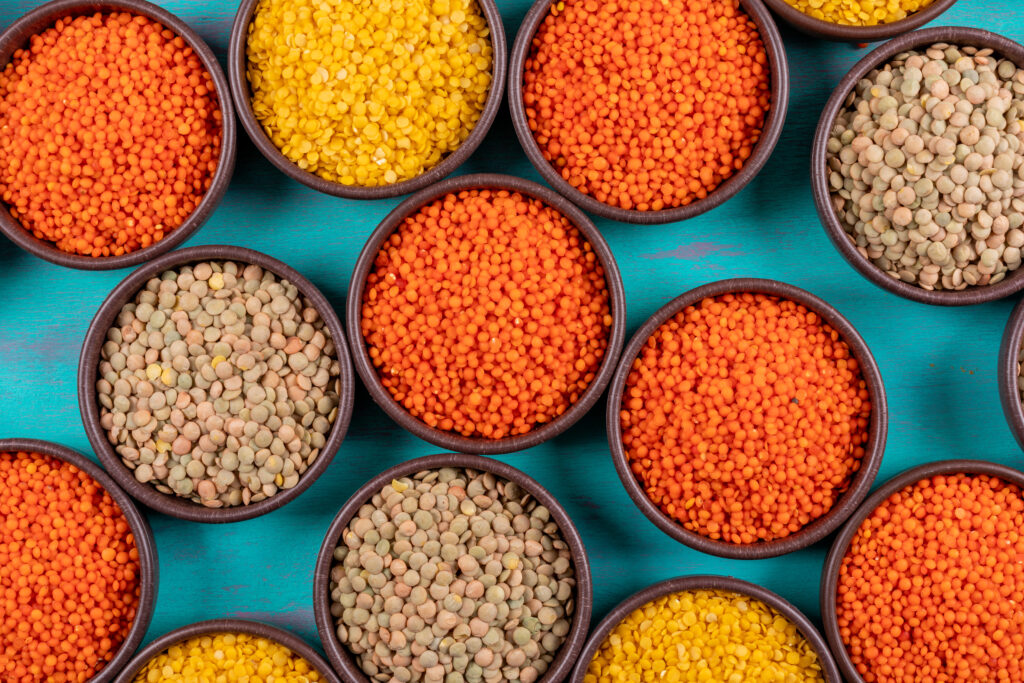
Different lentils in a bowls top view on a light blue background
The next wave of innovation focuses on automation, sustainability, and sensory experience. Global producers are investing in R&D to develop smarter machines that use less water, energy, and chemical input, creating a more efficient, climate-friendly industry.
Predictive maintenance, AI-driven quality prediction, and automated batch adjustments are emerging as central features in future plants. These developments will optimize productivity and enhance consistency at every stage.
Partnerships between engineers, agronomists, and food scientists are leading to unified standards for processing and safety. This global cooperation helps pulses retain their identity as nutritious, safe, and sustainable food sources.
The transformation of pulse processing represents a major step toward sustainable food production. Through intelligent automation, active packaging, and precision milling, pulses now reach consumers in peak condition, tasty, safe, and long-lasting.
American Harvest Group continues to support innovation across the pulse sector, bridging technology and sustainability. Contact us today if you are looking for a pulse processing plant in North Dakota or want to explore advanced solutions that shape the future of pulse processing!

Divyaa Dharga is a contributor at American Harvest Group, specializing in industrial hemp, sustainable agriculture, and emerging biomaterials. With a strong interest in regenerative farming practices and the evolving global hemp economy, she creates research-driven content that helps readers understand cultivation methods, supply chain developments, and innovative applications of hemp-based products. Through in-depth articles and industry insights, Divyaa Dharga supports American Harvest Group’s mission to promote environmentally responsible and economically viable hemp solutions.

