

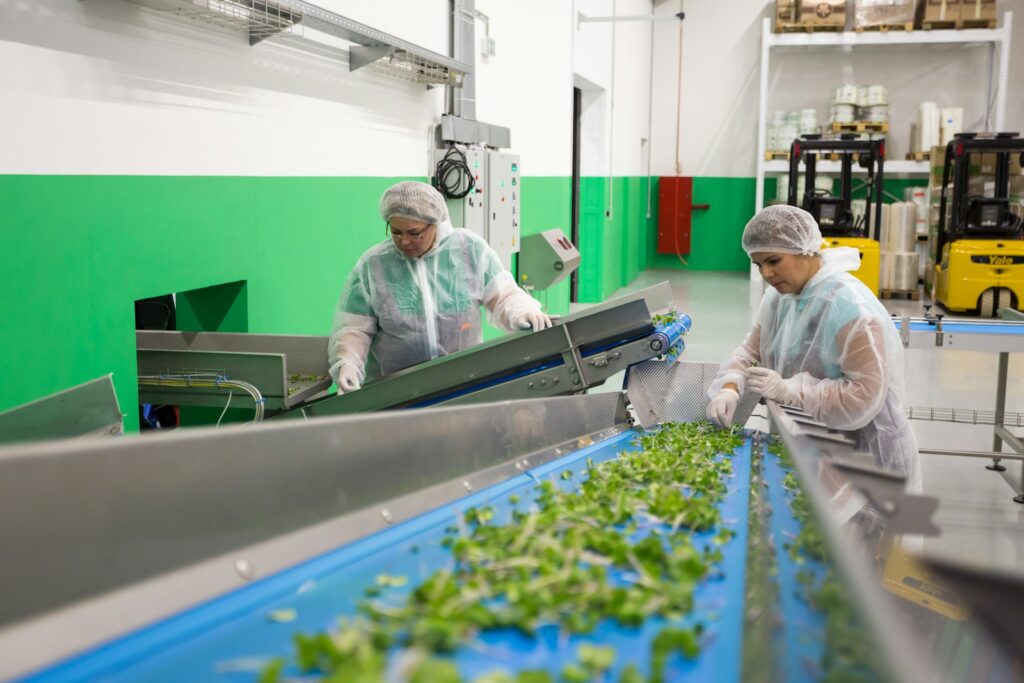
When you pick up a product that says it uses hemp materials, you may imagine a simple story of plant to package. But the reality of hemp cultivation is far more layered and interesting. In this post, we will walk you through the journey of hemp from the field to finished goods. Along the way, we’ll touch on the many steps involved, the individuals and businesses behind the process, and how this all ties into supply chains and market opportunities.
The journey begins with the land. Good soil, proper drainage, and the right seed variety are essentials in enabling hemp growers to produce viable biomass for industrial use. For instance, hemp will tolerate a range of soil types, but it struggles in overly wet, poorly drained fields.
Once the ground is ready, seeds are planted at recommended depths and densities to optimize emergence and yield. Agricultural advice suggests shallow seeding (.5-1 inch) into moist, warm soil for best success.
At this stage, the role of hemp farmers is crucial: they select appropriate seed types (fiber, grain, or dual use), monitor soil conditions, and decide on crop rotations and inputs like fertilizer and weed control.
As the hemp plants grow, they undergo vegetative and flowering phases. Timing matters: when the crop reaches the flowering stage, it signals the approach of harvest. The responsibilities of the hemp growers now shift into monitoring growth, ensuring plants are healthy, and preparing for harvest.
Key points to this phase:
Once the harvest date is set, the farm team uses appropriate equipment for cutting and collecting. Some crops are cut for seed, others for stalk and fiber. The harvested biomass must be promptly transported and stored under good conditions to preserve quality.
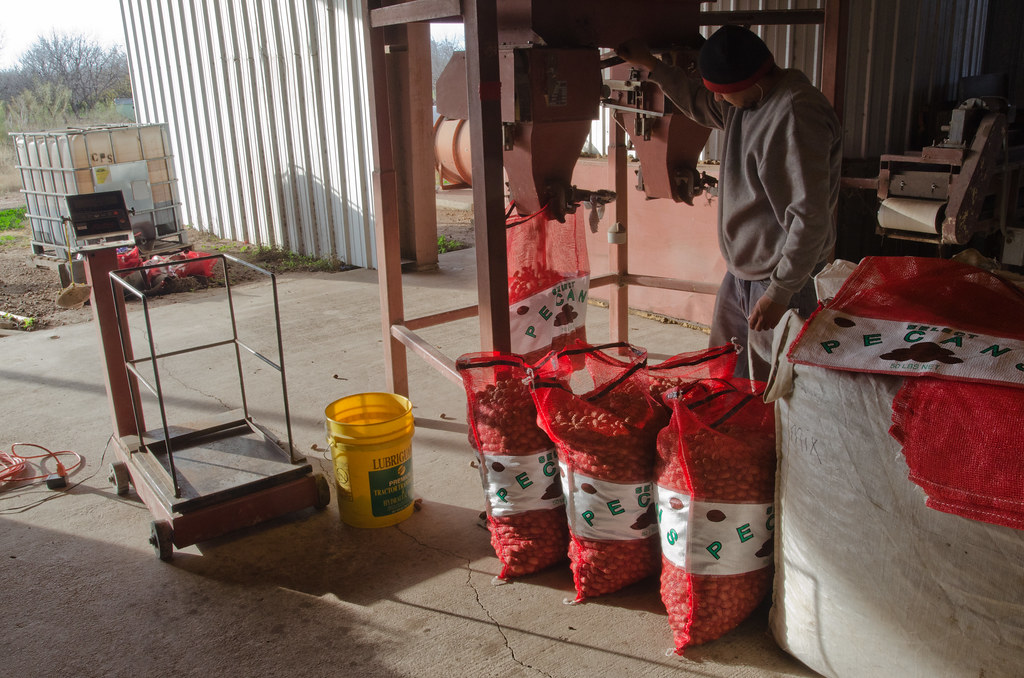
After the harvest, the biomass arrives at processing facilities. For fiber applications, the stalks undergo decortication to separate fiber from hurd. For seed uses, they are cleaned and stored. The processing environment must support efficiency and quality for downstream conversion.
Let’s look at a basic table of steps and what each involves:
| Step | What happens | Key Objective |
| Transport & Storage | Move biomass from the field to the facility | Prevent spoilage & preserve quality |
| Decortication / Cleaning | Separate fiber/stalk or clean seeds | Create usable raw material |
| Drying / Conditioning | Reduce moisture, prepare material for manufacture | Ensure material meets standards |
| Quality Analysis | Test for contaminants, moisture, and fiber content | Certify material for manufacturing |
By this point, you see that the role of hemp growers transitions into work done by processing firms and logistics. Without reliable processing capacity and storage, even the best field production can fail to deliver value.
Now begins the phase where raw hemp materials become consumer or industrial products. The stalk fiber might go into textiles, bioplastics, building panels, or insulation. The seed might be pressed for oil or cleaned for food-grade uses.
One company, for example, has built a supply chain to serve manufacturers who need repeatable tons of consistent hemp feedstock.
When brands and manufacturers get involved, they ask questions like:
These are all critical to converting upstream supply into reliable downstream products. And this is where involvement from other supply lines appears. A business such as a green peas and yellow peas supplier in the USA may draw inspiration from how hemp supply chains are structured: they key into seed cleaning, processing, packaging, logistics, all steps that are common across crop-based supply chains.
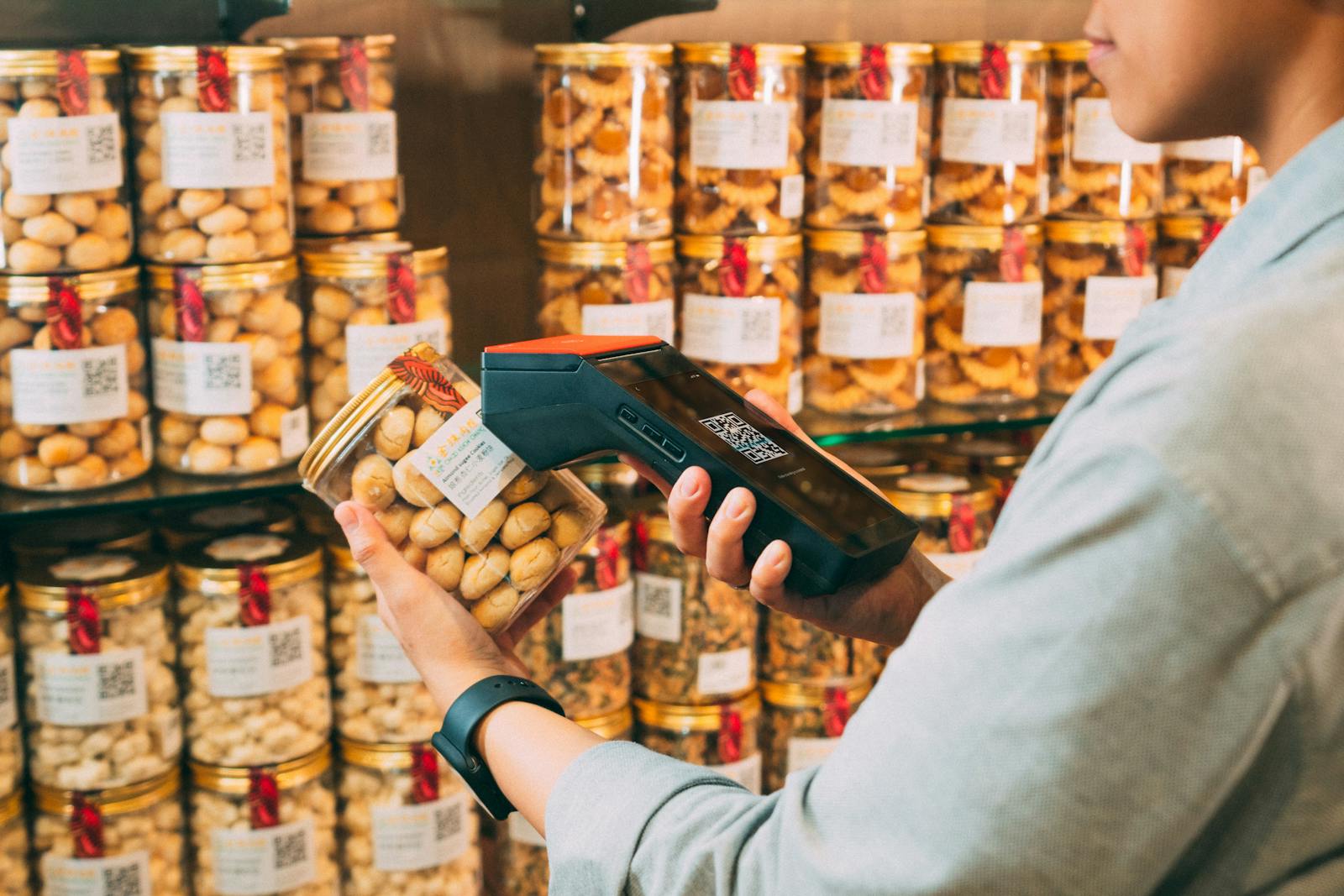
Once the end product is ready, be that a hemp-based textile, biocomposite, or food ingredient, it needs distribution. The supply chain has to handle packaging, shipping, traceability, and retail placement.
Important considerations:
Retailers, e-commerce brands, and ingredient suppliers all become part of this chain. The finished product might carry a tag like “grown by American hemp farmers” or “made from fiber by dedicated hemp farmers,” which resonates with consumers who care about origin.
It is not all smooth sailing. The path from seed to shelf has obstacles. Some of these are:
On the opportunity side:
If you are a brand manager, supply-chain lead, or entrepreneur interested in how hemp could factor into your offering, here are some practical questions:
Businesses, like the American Harvest Group, may offer support in sourcing, processing, or integrating hemp into product lines. They might help you access growers, logistical partners, and end-use markets.
The journey from field to finished product in the hemp supply chain is rich and full of potential. It involves dedicated hemp farmers working the land, expert hemp growers making critical decisions about seed, planting, and harvest, processing facilities turning raw materials into usable input, and brands bringing the product to market.
Although the pathway carries challenges in infrastructure, regulation, and scale, there is exciting momentum. If you are part of the food, textile, packaging, or materials sector, you may discover that working with hemp-derived inputs offers both business and sustainability advantages.
If you are curious and ready to engage, reach out to American Harvest Group for guidance and partnership opportunities in building supply chains that feature hemp and reflect a meaningful origin story!

Divyaa Dharga is a contributor at American Harvest Group, specializing in industrial hemp, sustainable agriculture, and emerging biomaterials. With a strong interest in regenerative farming practices and the evolving global hemp economy, she creates research-driven content that helps readers understand cultivation methods, supply chain developments, and innovative applications of hemp-based products. Through in-depth articles and industry insights, Divyaa Dharga supports American Harvest Group’s mission to promote environmentally responsible and economically viable hemp solutions.

