

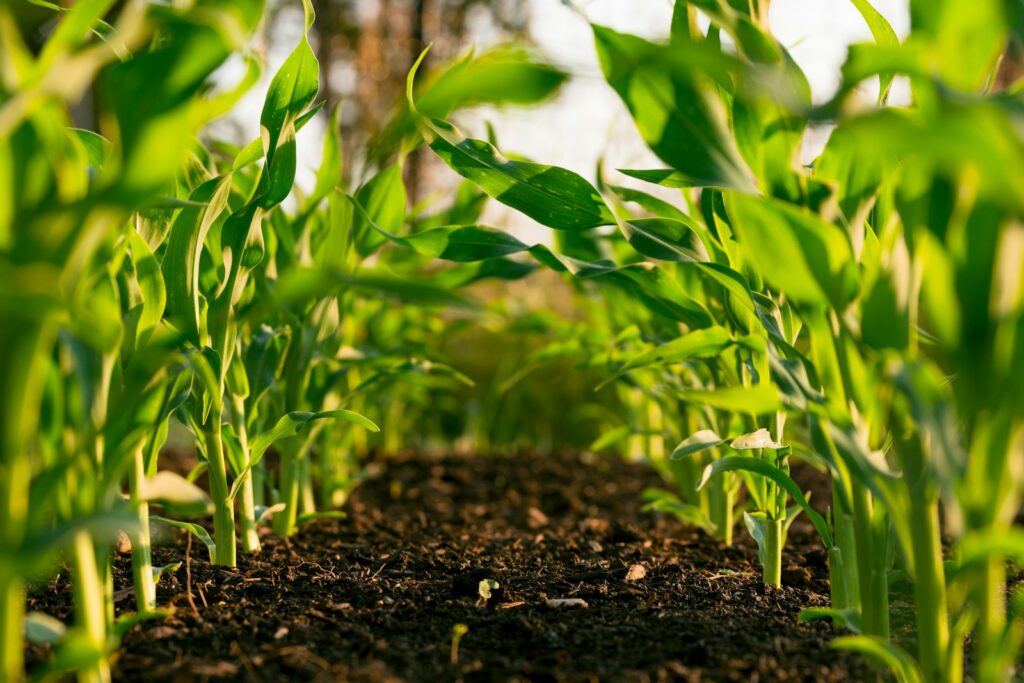
Soil is the foundation of every farm, yet it often suffers from overuse, nutrient loss, and poor management. Regenerative agriculture practices offer a solution by restoring land vitality while maintaining high yields. By working with natural systems rather than against them, these practices rebuild fertility, improve water retention, and support biodiversity.
Pulse crops such as lentils, chickpeas, and dry beans play a vital role, naturally enriching soil organic matter and creating a resilient foundation for healthier, more productive farmland.
Regenerative agriculture practices are farming methods designed to restore and improve the health of soil, water, and ecosystems while maintaining productive crops. Unlike conventional agriculture, which often relies heavily on chemical inputs and intensive tillage, regenerative practices work with nature to enhance long-term farm resilience.
Key principles include:
The ultimate goal of regenerative agriculture practices is to create a self-sustaining, resilient farm ecosystem that supports healthy crops, stores carbon, improves water retention, and maintains biodiversity, all while producing food sustainably.
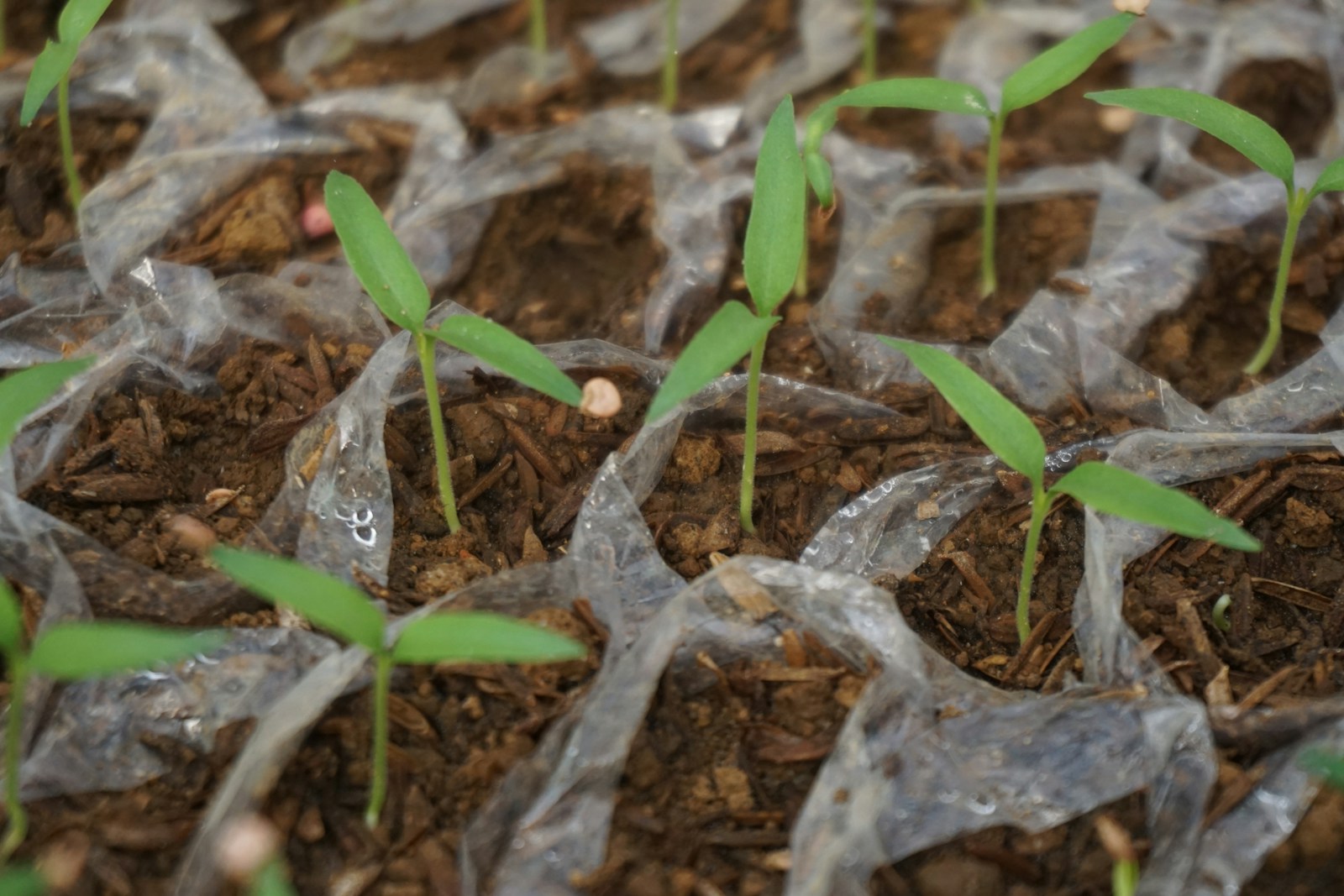
Below are key ways pulse crops stand out in restoring soil, improving fertility, and boosting overall farm resilience for long-term productivity.
Pulse crops form partnerships with beneficial bacteria that convert atmospheric nitrogen into a form plants can use. This natural process reduces reliance on chemical fertilizers and directly improves soil organic matter, creating healthier, nutrient-rich fields. Over time, fields with pulses produce more robust crops and maintain higher fertility, making the soil healthier for future rotations and significantly improving long-term farm productivity.
Pulses contribute significantly to soil carbon sequestration. Their deep roots deposit organic material into the soil, locking carbon underground and improving soil texture. Microbial communities thrive on this organic matter, releasing nutrients that consistently strengthen soil fertility and support healthy crop growth. Regular pulse rotations enable farms to build carbon-rich soils while enhancing climate resilience and long-term environmental sustainability on their land.
When combined with no-till agriculture, pulses deliver even greater benefits for soil and crop health. Avoiding plowing keeps soil layers intact, reduces erosion, and preserves moisture for longer periods. Pulse roots continue to enrich the soil naturally, supporting stronger crop performance and stable soil ecosystems year after year. Farmers practicing no-till with pulses notice improved soil structure, reduced compaction, and long-term productivity that benefits all crops.
Pulses leave behind root systems and residues that decompose over time, enriching the soil with nutrients naturally. This process builds soil organic matter, feeds microbial life, and enhances fertility sustainably. Crops that follow pulses benefit from improved water retention, better nutrient availability, and increased resilience, creating a self-sustaining cycle of soil improvement that strengthens overall farm health over multiple seasons.
Integrating pulses aligns with climate-smart farming principles and environmentally responsible practices. These crops require less water than many cereals and effectively enhance soil resilience under extreme weather conditions. Crop rotations with pulses also reduce disease and pest risks, supporting a more diverse and stable farming system that can adapt to changing conditions and maintain consistent production across challenging seasons.
Connecting with a sustainable agriculture platform, such as American Harvest Group, can help farmers optimize pulse rotations. We provide guidance on best practices, soil testing, and crop selection to maximize regenerative benefits. Access to expertise enables farms to maintain productivity, improve soil health, and adopt proven methods to achieve long-term success and environmental sustainability.
Working with a trusted supplier ensures farmers receive seeds suited to their local conditions and climate. Local suppliers provide guidance on planting and rotations, helping farmers achieve optimal growth while supporting regenerative agriculture practices and maintaining soil health for sustainable, productive farm operations season after season.
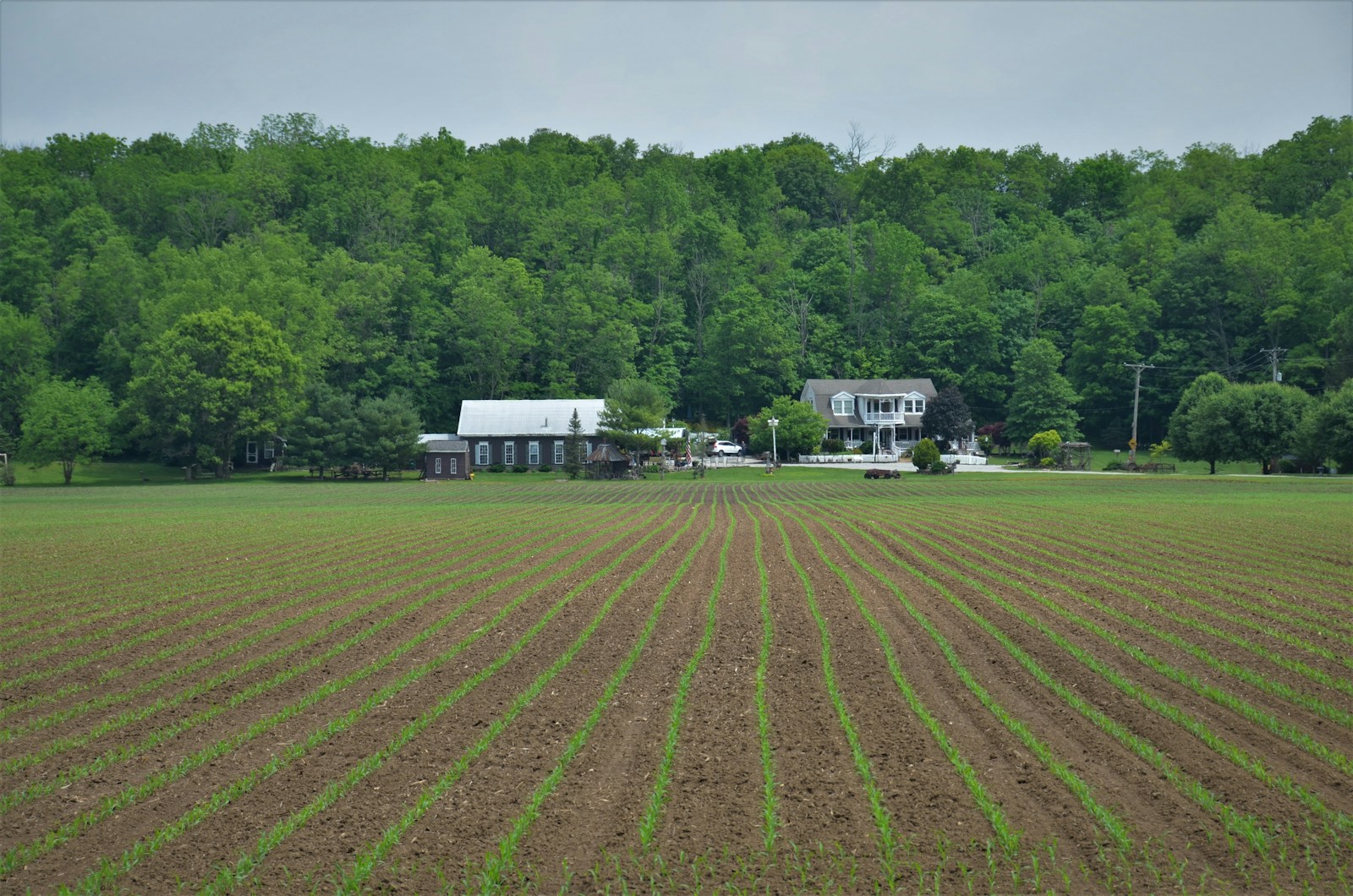
Integrating pulses into crop rotations enhances soil health, boosts yields, and supports climate-smart farming strategies naturally.
Below are practical methods farmers use to maximize benefits:
Pulse crops are not merely a harvest; they are a healing process. They offer a tangible, natural path to reversing soil degradation, closing nutrient loops, and cultivating a truly resilient farm. By harnessing their innate abilities to fix nitrogen, build organic matter, and aid in carbon sequestration, we can farm in a way that enriches the land. This is the promise of working with nature’s wisdom: leaving the soil more vibrant, productive, and full of life for the future.
Connect with American Harvest Group, your trusted bean and lentil supplier in North Dakota, and access premium seeds, expert guidance, and support for healthier, more productive farms this season.

Divyaa Dharga is a contributor at American Harvest Group, specializing in industrial hemp, sustainable agriculture, and emerging biomaterials. With a strong interest in regenerative farming practices and the evolving global hemp economy, she creates research-driven content that helps readers understand cultivation methods, supply chain developments, and innovative applications of hemp-based products. Through in-depth articles and industry insights, Divyaa Dharga supports American Harvest Group’s mission to promote environmentally responsible and economically viable hemp solutions.

