

The pressure to find eco-friendly materials has never been greater. From household goods to supermarket shelves, plastic packaging continues to dominate, yet its environmental impact is impossible to ignore. This is where hemp packaging enters the conversation.
As part of the growing plant-based packaging movement, hemp offers a renewable and biodegradable alternative that could reshape how we think about materials. But can it truly take the place of plastic in a practical and scalable way? Let’s unpack the possibilities!
Packaging is a major contributor to global waste. Traditional plastics are derived from fossil fuels, making them non-renewable and incredibly persistent in the environment. These materials can take centuries to break down, harming ecosystems and contributing to pollution.
On the other hand, plant-based packaging is designed to reduce waste and carbon emissions. It’s made from renewable resources like corn starch, bamboo, sugarcane, and increasingly, hemp. The aim is simple: create packaging that performs just as well as plastic but can safely return to nature after use.
The push for sustainable packaging is not just an environmental cause; it’s also a growing business trend. Consumers are paying more attention to how products are packaged, and brands are responding. This shift has opened the door for innovative materials such as hemp to play a leading role.
Hemp isn’t new. It’s one of the oldest cultivated plants in the world, used for textiles, paper, and even food. But its potential in packaging and plastic alternative applications is what’s capturing modern attention.
Here’s why hemp stands out:
Because of these characteristics, hemp can be transformed into various packaging materials, including paper, composite plastics, and biodegradable films. The versatility of hemp means it can be molded, pressed, or layered to fit multiple packaging needs, from food containers to product wraps.
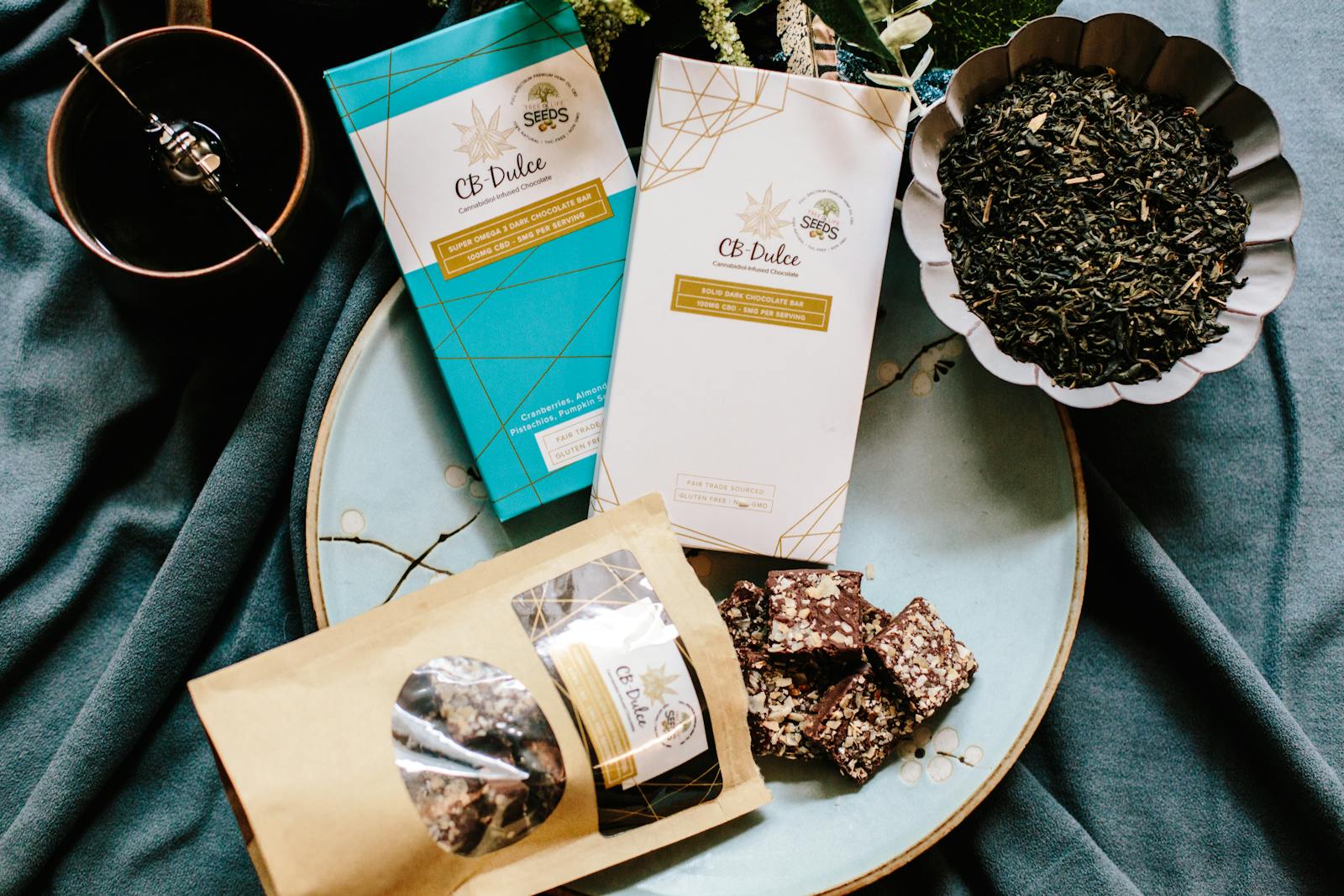
Several industries have already begun integrating hemp packaging into their operations. Below is a simple look at where hemp is showing promise:
| Packaging Type | Example Use | Benefits |
| Hemp Fibre Boxes | Retail packaging, cosmetics | Durable, compostable, recyclable |
| Hemp Bioplastic Bottles | Beverage and cleaning products | Lightweight and biodegradable |
| Moulded Hemp Trays | Food packaging and takeout | Plant-based, strong, and compostable |
Some companies are producing hemp wraps for packaging food items or lining containers. Others are blending hemp fibres with recycled paper to create sturdy, sustainable packaging options. These developments highlight how versatile hemp can be across various industries.
A bulk chickpeas exporter in the USA, like American Harvest Group, might use hemp-based pouches or boxes to highlight its eco-conscious values. For businesses like this, hemp offers both sustainability and a strong marketing advantage.
Although hemp packaging looks promising, it’s not without its challenges. A few barriers still stand in the way of large-scale adoption.
For example, packaging that requires airtight sealing may still need a mix of plant-based polymers to achieve the right durability. Until production and processing become more efficient, costs will likely stay higher than those for petroleum-based plastics.
In some areas, yes, but not everywhere just yet. Hemp can successfully replace plastics in short-life applications and low-barrier packaging. Think takeaway food containers, protective inserts, or shipping materials. These are perfect examples of where hemp plastic alternative products can work well.
However, for high-barrier or long-shelf-life packaging, such as snacks that need airtight sealing, traditional or hybrid materials may still be necessary. Over time, as technology advances, hemp’s performance will likely improve.
For now, the best approach is gradual adoption. Businesses can start by identifying which packaging elements can easily switch to plant-based packaging. Even small steps can make a big environmental difference.
Looking ahead, the potential for hemp packaging is bright. As global interest in sustainable materials grows, hemp is expected to become more accessible and cost-efficient.
Key developments to expect include:
So, can hemp replace plastic entirely? Not yet, but it’s getting closer every day. Plant-based packaging solutions like hemp packaging are carving out a meaningful place in the market. For products that don’t need ultra-strong plastic barriers, hemp is already a solid choice. Its renewable nature, strength, and biodegradability make it one of the most promising materials for the future of sustainable packaging.
Companies in the food, retail, and e-commerce industries can begin the transition today. From using hemp wrap for packaging to adopting bioplastic bottles or boxes, even partial integration can signal a strong environmental commitment.
Take the next step with American Harvest Group. If you’re a bulk exporter or a small retail packaging company in the USA looking to innovate, we can help you incorporate sustainable packaging and plastic alternative materials into your operations. Join the movement toward greener business practices and make sustainability part of your brand story!

Divyaa Dharga is a contributor at American Harvest Group, specializing in industrial hemp, sustainable agriculture, and emerging biomaterials. With a strong interest in regenerative farming practices and the evolving global hemp economy, she creates research-driven content that helps readers understand cultivation methods, supply chain developments, and innovative applications of hemp-based products. Through in-depth articles and industry insights, Divyaa Dharga supports American Harvest Group’s mission to promote environmentally responsible and economically viable hemp solutions.

