

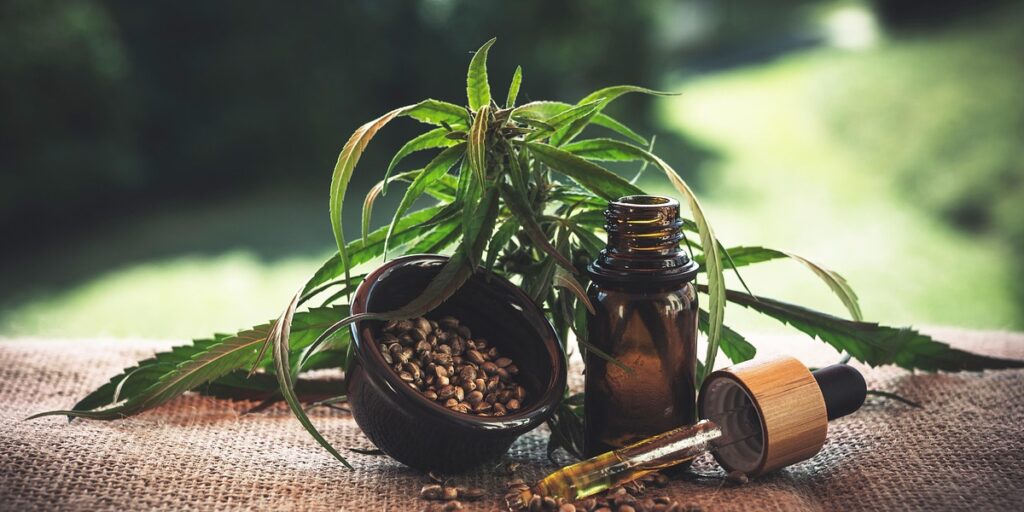
Growing interest in natural nutrition, cleaner ingredient lists, and functional food science has created strong momentum around hemp-based products. Once viewed narrowly, hemp now occupies a central place in modern wellness categories as consumers search for nutrient-dense options that support long-term health goals. Across North America, Europe, and emerging Asian markets, demand for hemp-infused snacks, beverages, spreads, baking inputs, and fortified supplements continues to climb each year. This shift ties closely to evolving dietary patterns, rapid expansion within plant-forward categories, and stronger acceptance of hemp as a mainstream agricultural crop.

Modern consumers pay far greater attention to nutrient profiles, clean-label sourcing, and functional benefits across everyday food choices. The food benefits of hemp seeds play a major role here, as these seeds offer complete proteins, healthy fatty acids, robust mineral content, and strong fiber contributions. This nutritional density positions hemp far ahead of many traditional ingredients used in bars, beverages, spreads, and bakery mixes.
Shoppers pursuing balanced nutrition increasingly prioritize ingredients that support satiety, cardiovascular health, digestion, and steady energy levels. Hemp scores strongly across each area due to its amino-acid diversity and strong ratio of omega fatty acids. As more consumers adopt plant-forward dietary patterns, hemp-based nutrition growth continues to accelerate across multiple food categories.
Athletes, fitness-focused households, and wellness-driven professionals now treat nutrient timing, recovery, and digestive comfort as core priorities. Hemp-infused powders, fortified dairy alternatives, and snack applications fit neatly into this pattern. Positive perceptions around gentle digestion and stable protein delivery help hemp products gain traction across specialized nutrition shelves.
Early hemp-food products faced challenges around bitterness, coarse textures, and inconsistent flavour notes. Over the past decade, major advances in milling, decortication, oil extraction, and enzymatic refinement have significantly reduced these sensory barriers. This has helped researchers create smoother textures, lighter-coloured flours, and neutral-tasting concentrates that integrate cleanly into diverse formulations.
Food manufacturers now explore a far wider set of hemp-infused product concepts, including:
Broader uptake across product development teams strengthens confidence among large retailers, distributors, and export markets.
The broader shift toward plant-based supplements creates an attractive environment for hemp. As shoppers embrace non-animal protein sources and sustainable farming solutions, hemp-infused items fit naturally into purchasing patterns anchored in health, environment, and long-term resilience. This intersection pushes hemp wellness industry growth deeper into mainstream adoption.
Regulatory bodies across major regions continue refining guidance on hemp ingredient sourcing, THC thresholds, testing protocols, and product positioning. More precise labelling standards remove confusion for manufacturers and consumers, fostering steady category development.
Investment in laboratory testing, contamination controls, and batch-level tracking brings a higher degree of reliability across hemp supply chains. As food manufacturers commit to safer processing environments and consistent analytical protocols, confidence across retail networks strengthens significantly.
Improved regulatory stability and greater transparency attract larger agrifood firms into hemp ingredient markets. Their scale, logistics capacity, and procurement reach help shape more stable supply models, supporting long-term growth.

Farmers in the United States, Canada, Europe, and select Asian markets continue to dedicate more acreage to industrial hemp. Strong crop resilience, diversified revenue streams, and reduced input costs contribute to this trend.
Growers often choose hemp to support crop rotation strategies, soil structure improvements, and regenerative practices. These outcomes align strongly with modern sustainability frameworks pursued across global food supply networks.
New partnerships between seed breeders, agronomists, and food processors help shape coherent supply strategies for long-term category development. This collaboration strengthens risk management, storage capacity, and quality consistency across the entire chain.
Export statistics highlight increasing cross-border movement of hemp seeds, protein concentrates, and food-grade oils. Growing demand across the Asia-Pacific and European Union markets signals strong global expansion.
Capital inflows into dehulling plants, oil-extraction facilities, and protein-isolate processing sites strengthen supply reliability. These investments offer manufacturers improved consistency and broader functional ingredient options.
Shorter crop cycles, rising global acreage, and stronger storage practices help stabilize ingredient prices. This appeals strongly to manufacturers focused on long-term portfolio planning.
Peer-reviewed studies increasingly highlight the digestibility and amino-acid strength of hemp proteins. Although hemp differs slightly from soy or pea in certain areas, its overall nutritional value delivers strong support for food fortification.
Researchers consistently emphasize the balanced omega ratio seen in hemp seeds, along with strong antioxidant properties found in their hulls. These attributes strengthen the case for hemp-focused formulations.
Ongoing studies explore hemp’s role across clinical meal replacements, specialized-diet programmes, and digestive-friendly formulations. This further pushes hemp deeper into health and wellness categories.
Rising interest in natural nutrition, advancing food-tech processes, and clearer regulatory pathways continue to push hemp wellness foods into a prominent position across modern diets. Strong nutritional advantages, stable supply expansion, and positive alignment across health-oriented lifestyles point toward lasting category growth. Companies that invest in product innovation, sensory refinement, and dependable supply partnerships will stand strongest in this new phase of hemp-infused nutrition.
American Harvest Group supports food innovators seeking high-quality hemp ingredients, strategic sourcing partnerships, and expert guidance across expanding wellness markets. Reach out to explore stronger product pipelines and future-ready supply resilience with our agribusiness service.

Divyaa Dharga is a contributor at American Harvest Group, specializing in industrial hemp, sustainable agriculture, and emerging biomaterials. With a strong interest in regenerative farming practices and the evolving global hemp economy, she creates research-driven content that helps readers understand cultivation methods, supply chain developments, and innovative applications of hemp-based products. Through in-depth articles and industry insights, Divyaa Dharga supports American Harvest Group’s mission to promote environmentally responsible and economically viable hemp solutions.

