
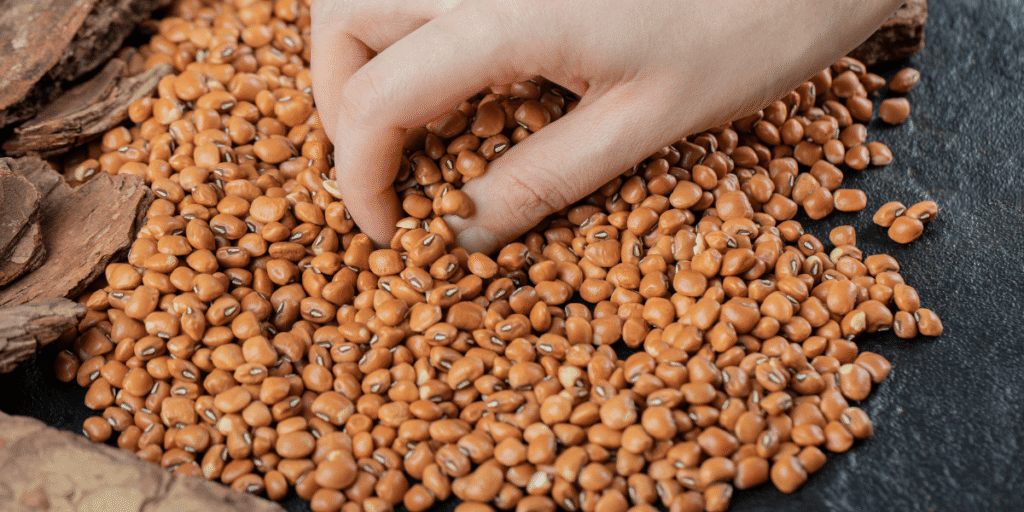
Pinto beans have been feeding families for generations, and there is a good reason they continue to show up on plates, in packaged foods, and across commercial kitchens. They are affordable, filling, and incredibly versatile. In a time when food costs keep rising, and people want more nutrition from every meal, pinto beans still deliver. They fit into traditional recipes, modern convenience foods, and large-scale food programs without losing their appeal.
This blog explains why pinto beans remain a trusted ingredient, how they support protein-rich diets, and why food manufacturers and consumers continue to rely on them.
Pinto beans have deep roots in many cuisines, especially in North and Latin American cooking. Their mild flavor and creamy texture make them easy to adapt. Unlike trend-driven ingredients that come and go, pinto beans stay relevant because they solve practical problems. They are shelf-stable, easy to prepare, and accessible to households across income levels.
From home kitchens to institutional food service, pinto beans consistently meet expectations for taste, nutrition, and value.
Nutrition is one of the strongest reasons pinto beans remain popular. They offer a strong balance of macronutrients and essential minerals without added processing.
Pinto beans nutrition includes fiber, complex carbohydrates, and important micronutrients like iron, magnesium, and folate. These nutrients support digestion, heart health, and sustained energy.
Key nutritional highlights include:
This nutritional profile makes pinto beans suitable for daily meals and long-term dietary planning.
Protein is often the focus of modern food choices, and pinto beans deliver here, too. Pinto beans’ protein content makes them a dependable option for people reducing meat intake or stretching food budgets.
They support:
Affordability matters for both consumers and manufacturers. Pinto beans offer a rare combination of low cost and high nutritional return.
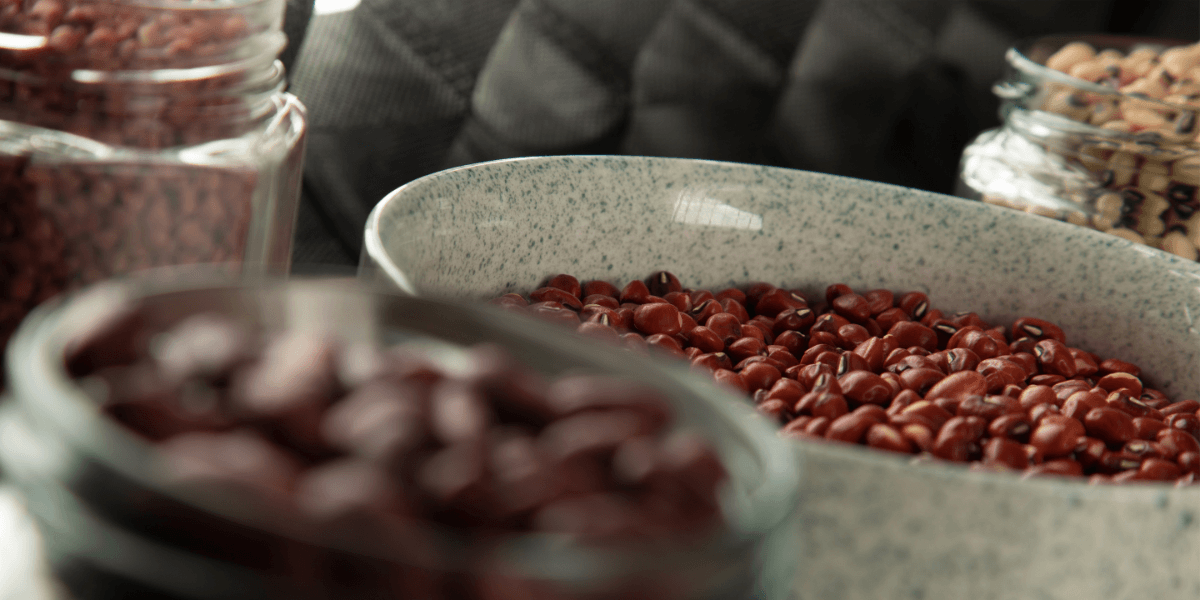
Food manufacturers and food assistance programs rely on ingredients that scale well. Pinto beans are widely grown, easy to store, and consistent in quality. This makes them ideal for canned goods, dry mixes, frozen meals, and ready-to-eat products.
Their long shelf life also reduces waste, which further improves cost control.
Pinto beans add bulk and richness to meals without requiring expensive add-ons. A small portion can significantly increase the perceived value of a dish, which is especially important in budget-conscious food planning.
Beyond nutrition and cost, pinto beans simply taste good. Their creamy interior and mild flavor make them easy to season and pair with other ingredients.
Pinto beans can be mashed, whole, or blended into spreads. This flexibility allows them to work in:
They hold their structure well during cooking, which helps maintain quality in packaged foods.
Pinto beans absorb spices and seasonings instead of overpowering them. This makes them ideal for global flavor profiles, from smoky and savory to mild and comforting.
As interest in plant-forward diets grows, pinto beans continue to gain attention. They are a natural fit for plant-based protein foods because they require minimal processing and remain familiar to consumers.
Beans have always been part of plant-based eating, long before it became a trend. Pinto beans offer a complete-feeling protein experience when paired with grains, vegetables, or other legumes.
They are also considered high-protein legumes, making them valuable in meal planning for schools, hospitals, and food banks.
Reliable sourcing plays a major role in keeping pinto beans affordable. When growers, processors, and packagers work together, they can maintain a consistent supply across regions.
For example, a partnership with American Harvest Group, a small retail packaging company in North Dakota offering white-label packaged pinto beans, can help ensure the pinto beans reach store shelves in practical quantities that meet everyday consumer needs.
| Feature | Pinto Beans | Black Beans | Chickpeas |
| Flavor | Mild and earthy | Slightly sweet | Nutty |
| Texture | Creamy when cooked | Firm | Dense |
| Protein Content | High | High | Moderate |
| Cost | Low | Moderate | Higher |
| Common Uses | Burritos, stews | Soups, salads | Hummus, snacks |
This balance of affordability, nutrition, and versatility keeps pinto beans competitive with other popular legumes.
Schools, shelters, and community programs need ingredients that are nutritious, affordable, and easy to prepare. Pinto beans check all three boxes.
They work well in large batches, freeze and reheat effectively, and maintain quality over time. This reliability helps organizations serve consistent meals without straining budgets.
People are more likely to eat foods they recognize. Pinto beans feel familiar, comforting, and safe. They do not require education or explanation on a label.
This familiarity builds trust, which is especially important in value-focused food products aimed at families and communities.
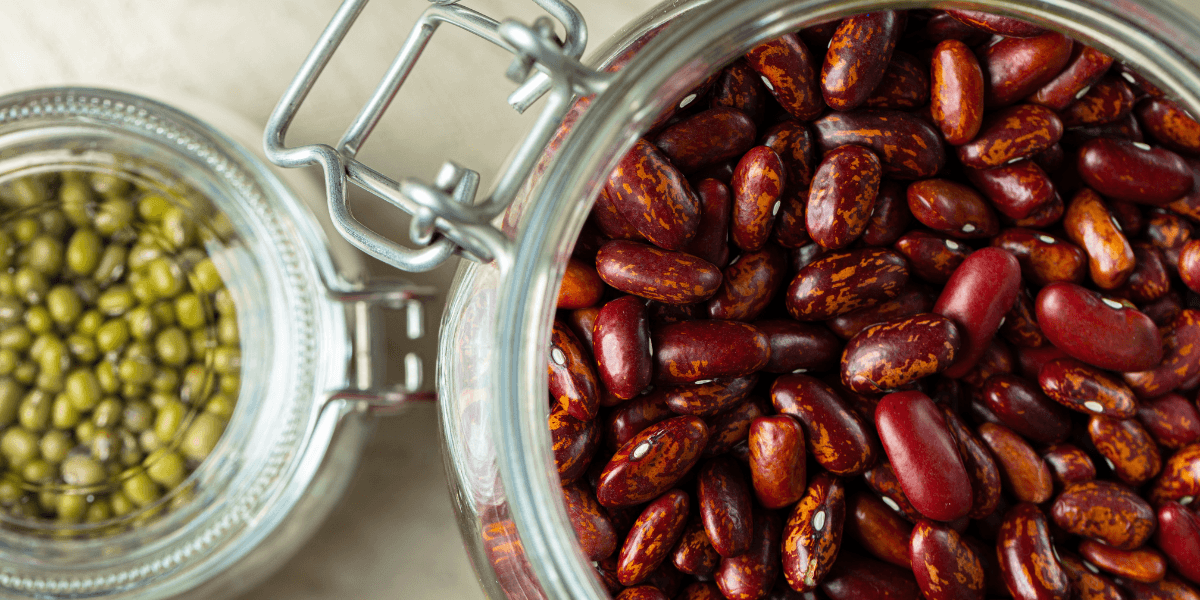
Despite new protein sources entering the market, pinto beans continue to hold their ground. Their role is not based on trends, but on proven performance. As food systems focus more on affordability, sustainability, and nutrition, pinto beans remain part of the solution.
They support balanced diets, reduce reliance on expensive proteins, and fit seamlessly into traditional and modern food formats.
Pinto beans remain a staple because they deliver what people actually need. They provide dependable nutrition, strong protein content, and real value. From home kitchens to large-scale food production, they continue to support protein-rich meals without added complexity. In a food landscape that often feels crowded with novelty, pinto beans stand out by staying practical, familiar, and effective.
For companies looking to source dependable legumes with consistent quality, American Harvest Group offers strong agricultural partnerships and reliable supply networks. As a trusted lentil supplier in Montana, we support food manufacturers and retailers seeking dependable ingredients that meet real-world needs.

Divyaa Dharga is a contributor at American Harvest Group, specializing in industrial hemp, sustainable agriculture, and emerging biomaterials. With a strong interest in regenerative farming practices and the evolving global hemp economy, she creates research-driven content that helps readers understand cultivation methods, supply chain developments, and innovative applications of hemp-based products. Through in-depth articles and industry insights, Divyaa Dharga supports American Harvest Group’s mission to promote environmentally responsible and economically viable hemp solutions.

