


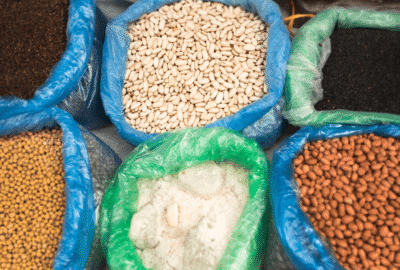
Circular Economy Models: How Food Brands Are Closing the Loop with Pulse Crops
The modern food industry is witnessing a transformation. Traditional linear systems where food is produced, consumed, and discarded are giving way to circular economy models. In this approach, resources are…
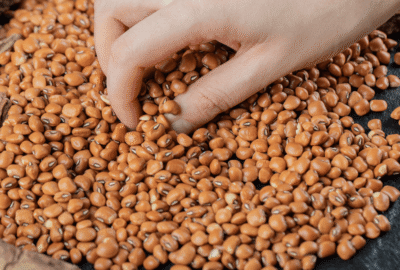
Why Pinto Beans Remain a Staple Ingredient in Affordable, Protein-Rich Food Solutions
Pinto beans have been feeding families for generations, and there is a good reason they continue to show up on plates, in packaged foods, and across commercial kitchens. They are…
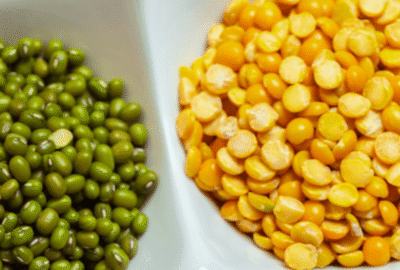
How Food Manufacturers Use Green and Yellow Peas to Improve Texture, Taste, and Nutrition
Green and yellow peas have quietly become some of the hardest-working ingredients in modern food manufacturing. They are no longer limited to soups or side dishes. Today, they show up…
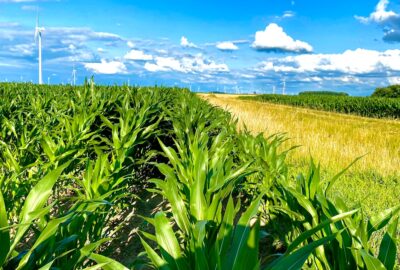
From Farms to Food Brands: Sourcing Trends Shaping the Pulse Ingredient Market
Pulses have moved from pantry staples to strategic ingredients for food brands. Beans, lentils, chickpeas, and peas now sit at the center of product innovation, cost control, and sustainability goals.…
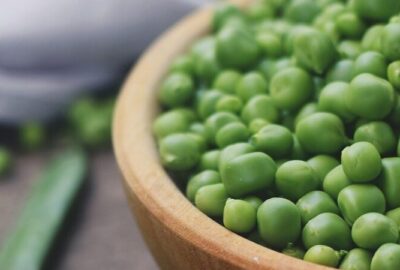
Green Peas and Yellow Peas: Powering the Next Wave of Plant-Based Protein Products
Green peas and yellow peas have moved far beyond the frozen vegetable aisle. Today, they sit at the center of some of the most talked-about innovations in food. As consumers…
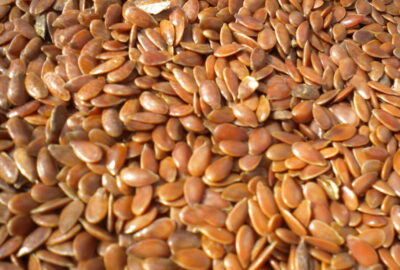
Brown Flaxseed: The Quiet Superfood Driving Demand in Functional Nutrition
In today’s health-focused marketplace, small ingredients are making a big impact. Brown flaxseed is one of those quiet performers that continues to gain ground in everything from bakery products to…
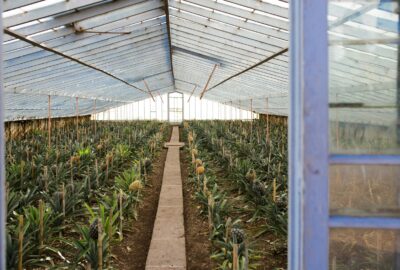
Beyond CBD: The Untapped Industrial Applications of Hemp Fiber and Biomaterials
Public discussion around hemp often focuses on wellness extracts, yet this versatile crop supports a much broader industrial future. Long before modern interest in cannabinoids, hemp served as a foundational…
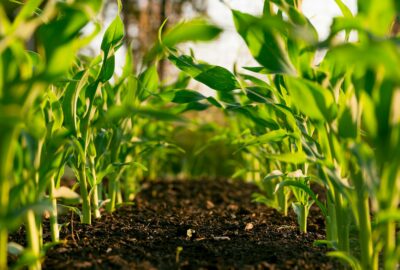
Regenerative Agriculture Practices: How Pulse Crops Naturally Improve Soil Health
Soil is the foundation of every farm, yet it often suffers from overuse, nutrient loss, and poor management. Regenerative agriculture practices offer a solution by restoring land vitality while maintaining…
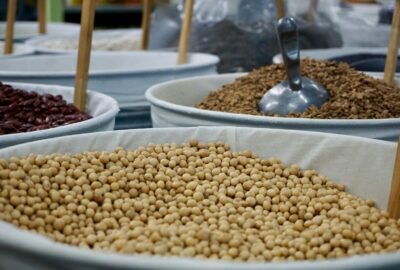
Chickpeas to Lentils: How Ancient Crops Are Powering Modern Plant-Based Innovation
Across early farming societies, humble legumes helped communities thrive during uncertain harvest seasons. Chickpeas, lentils, peas, and beans offered steady nourishment, easy storage, and reliable growth patterns. Those same qualities…

Hemp as a Carbon Sequestration Crop: The Environmental Case for Large-Scale Production
Climate pressure continues to reshape global agriculture priorities. Farming systems today face expectations beyond food and fiber production. They now carry responsibility for environmental repair, soil recovery, and atmospheric balance.…
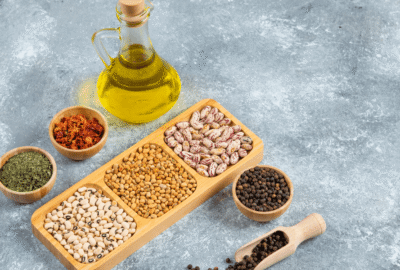
Hemp Seed Oil vs. Traditional Cooking Oils: A Nutritional and Sustainability Comparison
Cooking oils play a central role in daily diets, shaping both nutritional intake and long-term health outcomes. As consumers become more conscious about food quality, sourcing, and environmental impact, interest…
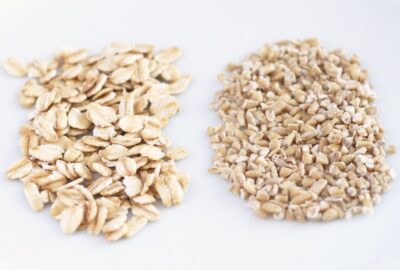
How Pulse Proteins Are Redefining High-Protein Snacks for the Modern Lifestyle
The quest for a satisfying high-protein snack often feels like a compromise. You’re left choosing between chalky shakes, processed bars with a novel’s worth of ingredients, or another dry chicken…
