

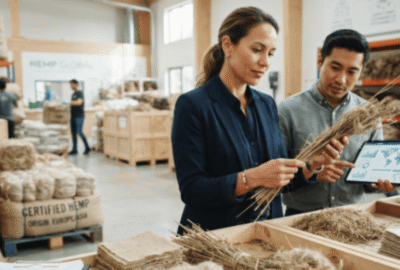
Industrial Hemp Supply Chain: How Global Buyers Can Secure Consistent Volume
Global buyers secure a steady hemp supply by partnering with suppliers who have robust farmer networks and processing capabilities. They assess decortication and extraction infrastructure, request quality testing records, diversify…
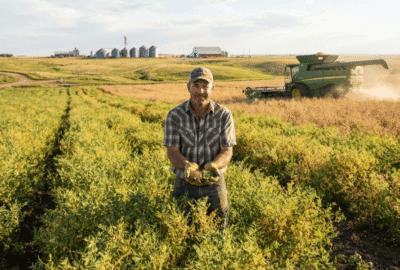
Why North Dakota and Montana Are Emerging as the US Hub for Specialty Pulse Crops
North Dakota and Montana now account for most lentil, dry pea, and chickpea production in the US, giving food and ingredient manufacturers a shorter, more traceable supply chain than importing…
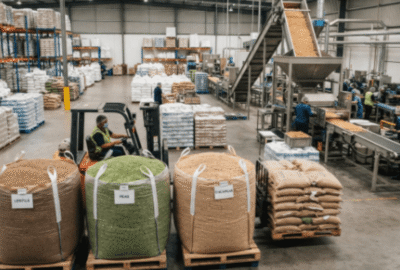
How Global Food Brands Source Bulk Lentils, Peas, and Chickpeas at Scale
Global food brands depend on structured sourcing networks, verified grading, and reliable logistics to secure lentils, peas, and chickpeas at scale. Building these relationships early protects manufacturers from supply gaps…
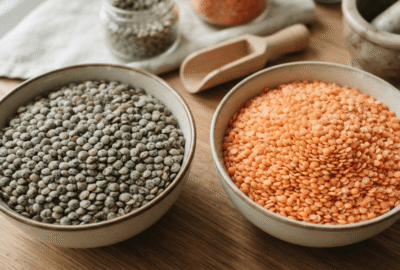
Green Lentils vs Red Lentils: Which Variety Should Food Manufacturers Be Sourcing?
Food manufacturers choosing between red and green lentils weigh cook time, texture, and protein quality alongside consistent sourcing volume. Understanding how each variety performs in processing equipment helps buyers match…
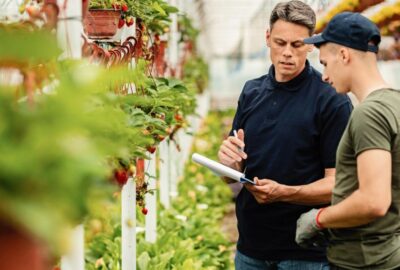
How Farm-to-Supply-Chain Traceability Is Becoming Non-Negotiable for Food Brands
Farm-to-supply-chain traceability is now vital for food brands due to rising regulatory, safety, retailer, and consumer demands. It links farm data to processing, transport, and distribution, enhancing transparency, recalls, supplier…
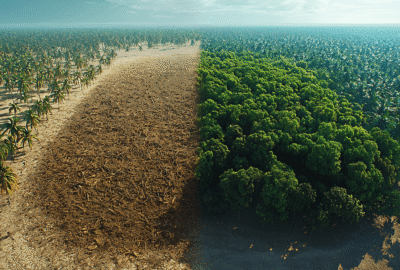
Water Footprint Comparison: Hemp and Pulse Crops vs Soy and Corn
Agriculture runs on water, and the way we use it is shaping the future of farming. Freshwater supplies are under growing pressure worldwide, and farmers, businesses, and consumers are taking…
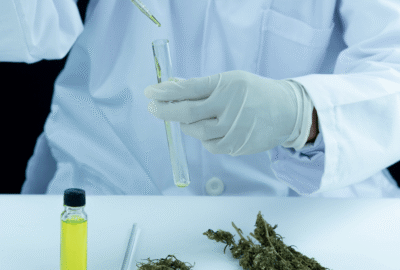
USDA Organic Certification for Hemp and Pulse Ingredients: Is It Worth the Premium?
The USDA Organic seal means something real. For food and supplement brands, it signals quality, safety, and transparency. For consumers, it is a shortcut to trust. But getting there costs…
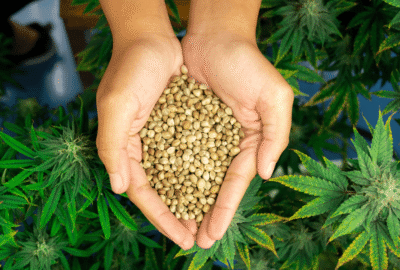
Intercropping Hemp and Pulse Crops: Agronomic Benefits and Supply Implications for Bulk Buyers
Farmers across North America are testing a simple idea: grow hemp alongside pulse crops like peas and lentils in the same field. This pairing works because pulses feed the soil…
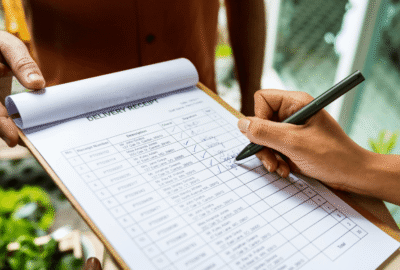
How to Evaluate a Bulk Agricultural Supplier: A Checklist for Food and Supplement Buyers
Sourcing bulk agricultural ingredients affects everything: your product quality, your compliance, and your brand’s reputation. A wrong supplier can lead to failed audits, supply disruptions, and costly reformulations. Good sourcing…
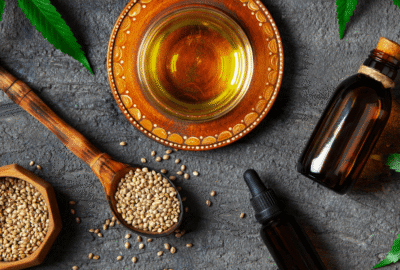
Allergen-Free Formulation: Why Hemp Is Gaining Ground as a Soy and Nut Alternative
People with food allergies deal with more than discomfort. They deal with labels, ingredient lists, cross-contamination warnings, and the constant stress of figuring out what is actually safe to eat.…
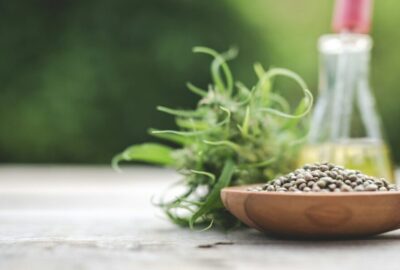
How to Source Clean-Label Hemp Extracts for Supplement Formulations at Scale
When you are building a supplement line with hemp ingredients, the quality of your extract determines everything. A poorly sourced extract can fail lab tests, mislabel claims, and put your…
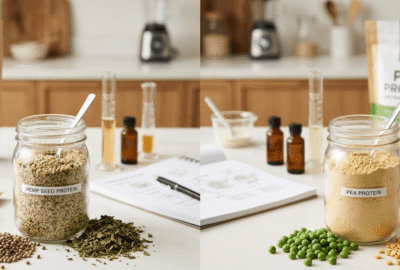
Hemp Seed Protein vs Pea Protein in Functional Supplements: A Side-by-Side Formulation Guide
The plant-based protein market is growing fast, and formulators are under pressure to make smart ingredient choices. Two proteins keep coming up in almost every conversation: hemp seed protein and…