
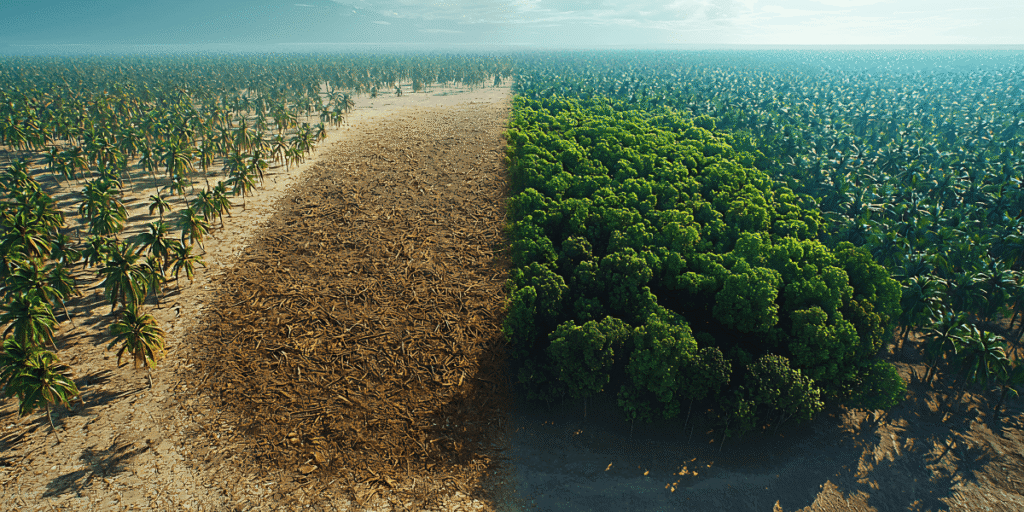
Agriculture runs on water, and the way we use it is shaping the future of farming. Freshwater supplies are under growing pressure worldwide, and farmers, businesses, and consumers are taking a closer look at how much water different crops actually demand. This blog takes a clear, straightforward look at the pulse crops and hemp water carbon footprint comparison, and stacks them up against two of the most widely grown crops in the world: soy and corn.
If you care about where your food comes from and how it gets produced, this is a conversation worth having.
Globally, agriculture is responsible for roughly 70% of all freshwater withdrawals, as reported by the World Bank. That is a staggering number. When you think about the billions of people who depend on clean water for drinking, cooking, and basic sanitation, it becomes clear that how we grow our food directly affects water availability worldwide.
Efficiency in the use of crop water is not just a farming term. It is a measure of how much output a crop produces per liter of water consumed. Crops that use water more efficiently put less pressure on rivers, lakes, and underground aquifers. Pulse crops also hold up better during dry periods, which are happening more often as the climate changes.
So which crops actually do better on this front? Let’s break it down.
Soy is one of the most widely grown crops on the planet. It is a major ingredient in animal feed, cooking oil, processed foods, and plant-based proteins. But its water footprint is significant.
Research from the Water Footprint Network shows that producing 1 kilogram of soybeans typically uses 1,000 to 1,500 liters of water. When farmers use irrigation, that number rises significantly.
Soy plants need the most water during pod formation, when the beans begin to develop. If the plant does not get enough water at this point, the harvest suffers, which is why many farmers in drier areas depend on irrigation.
When soybeans are processed into oil, the water footprint increases significantly. Soybean oil requires approximately 4,200 cubic meters of water per ton, according to data from the Water Footprint Network.
Soy farming has been linked to land clearing in sensitive ecosystems, particularly in South America. When natural vegetation is removed, it disrupts the local water cycle, reducing rainfall and increasing soil erosion.
Corn is another staple crop with a wide reach. It feeds livestock, fuels ethanol production, and fills supermarket shelves in countless forms. When it comes to sustainable crop water use, corn is one of the more demanding options: according to study data, growing one kilogram requires around 900 to 1,200 liters on average. Because corn is cultivated across such vast areas, total water use at a global scale becomes staggering.
Water demand peaks at two points in the growing cycle: pollination and grain fill. A shortage at either stage sharply reduces yields. In drier regions, farmers pump large volumes of groundwater to compensate, and monoculture farming gradually strips the soil of its ability to retain moisture, pushing irrigation needs higher each season.
The water cost does not stop at the field. Processing corn into oil raises its footprint to roughly 2,600 cubic meters per ton. Heavy use of fertilizers and pesticides adds another layer, washing into water systems as greywater pollution that requires significant dilution or treatment before it can be used again.
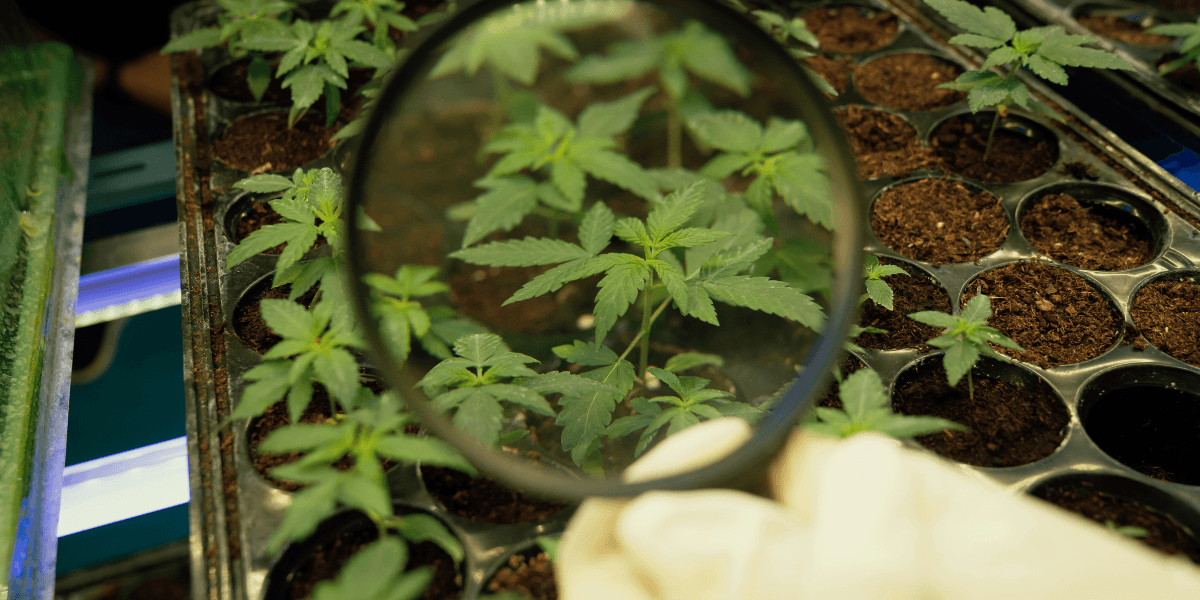
Hemp has been making a strong comeback in modern agriculture, and for good reason.
Industrial hemp requires around 300 to 500 liters of water per kilogram of product, which is much less than soy and corn. For fiber production specifically, hemp uses about 60% less water than cotton.
One of hemp’s practical advantages is that in many regions, natural rainfall is sufficient to meet most of its water needs during the growing season. In areas receiving at least 650 millimeters of annual rainfall, hemp often requires little to no supplemental irrigation, as noted in research published in Lampoon Magazine.
Hemp grows deep roots that can reach moisture stored in the lower soil layers. This makes it naturally drought-resistant, which most other crops cannot match. Research published in Plant and Soil confirms that hemp has several natural traits that help it handle water stress, including the ability to control how much water it loses through its leaves.
Hemp matures in about 3 to 4 months. A shorter growing season means less total water exposure compared to crops that take longer to develop. This alone contributes to a lower seasonal water demand.
Hemp’s root system benefits not only the plant itself. It breaks up soil compaction, improves drainage, and increases soil organic matter. These changes help the land retain moisture more effectively in subsequent growing seasons, reducing the need for irrigation in the years that follow.
Hemp is just one of many specialty crops reshaping how we think about sustainable agriculture. American Harvest Group works directly with farmers across the Northern Plains, connecting growers with markets for specialty crops. If you are looking for a reliable flaxseed and barley supplier in the USA, contact our team to learn what we have to offer!
Pulse crops include lentils, chickpeas, peas, and beans. They grow well in drier environments, and their water efficiency is one of their most compelling traits. Lentils, for example, require approximately 1,250 liters of water per kilogram produced, which is lower than soy on average and reflects how well pulses adapt to semi-arid conditions.
The FAO has noted that split peas and lentils can require as little as 50 liters of water per kilogram in certain production conditions, a remarkably low figure for a protein-rich crop. Pulses naturally add nitrogen back into the soil, cutting down on synthetic fertilizer use and reducing the grey water footprint of production.
Research published in the journal Nutrients and reviewed by PMC found that pulses have among the lowest greenhouse gas emissions per 50 grams of protein across all food categories. Their overall environmental footprint, including water use, compares very favorably to soy, particularly processed soy products.
The numbers speak for themselves. Hemp requires as little as 300 to 500 liters per kilogram of product, while pulse crops like lentils require around 1,250 liters per kilogram. Soy and corn consistently demand more water and incur additional costs, such as soil degradation, chemical runoff, and increased reliance on irrigation. Building a sustainable food supply chain that holds up under future pressure starts with growing smarter, and crops like hemp and pulses are central to that shift.
American Harvest Group is actively building the supply chain infrastructure that tomorrow’s food and materials economy will need. We help food industry businesses streamline their supply chains as a trusted bean supplier in Montana. Connect with our team and be part of what comes next!

Divyaa Dharga is a contributor at American Harvest Group, specializing in industrial hemp, sustainable agriculture, and emerging biomaterials. With a strong interest in regenerative farming practices and the evolving global hemp economy, she creates research-driven content that helps readers understand cultivation methods, supply chain developments, and innovative applications of hemp-based products. Through in-depth articles and industry insights, Divyaa Dharga supports American Harvest Group’s mission to promote environmentally responsible and economically viable hemp solutions.
