
Food products can pass through many hands before reaching a grocery shelf. Managing that journey with spreadsheets, paper records, and scattered supplier emails is increasingly difficult. Customers, retailers, and regulators expect brands to know where ingredients came from and what happened along the way.
That is why food supply chain traceability is moving from a back-office task to a core food operation at scale. Traceability connects a product’s movement from source through processing, storage, transportation, and distribution. It can support targeted recalls, supplier accountability, and credible sourcing claims.
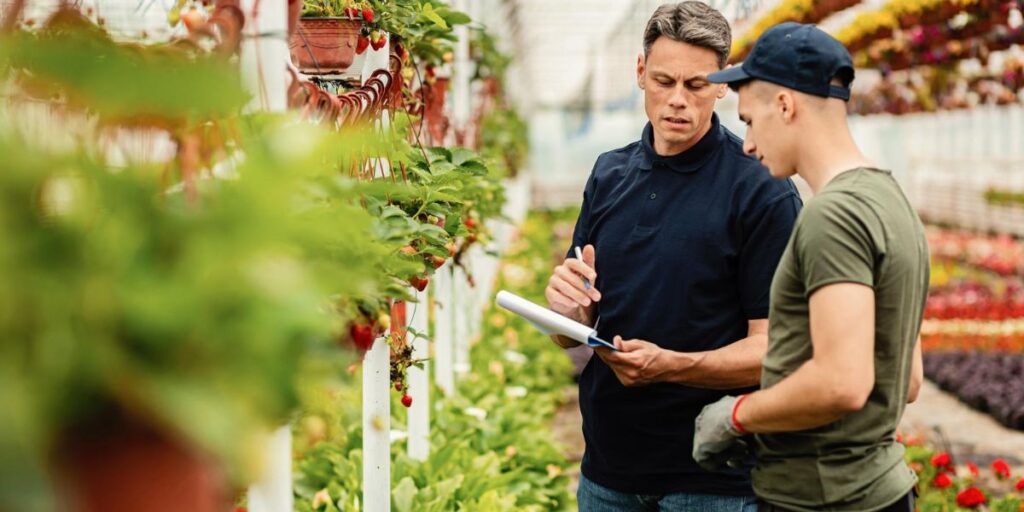
Traceability cannot begin at the loading dock. The final record depends on information captured at the source. Farm location, harvest date, lot identification, crop details, and supplier records can become important links in the chain. Farm-level records therefore need to be treated as operational data, not paperwork.
A lot code can connect a raw ingredient to later handling events. When a processor receives a shipment, the lot information should remain connected as ingredients are cleaned, sorted, processed, blended, packaged, or shipped.
The FDA Food Traceability Rule uses Critical Tracking Events and Key Data Elements for covered foods on the Food Traceability List. The framework includes harvesting, packing, shipping, receiving, and transformation.
Brands can establish clear supplier expectations for origin details, lot numbers, processing dates, certifications, and shipment information. Consistent records help identify gaps before they become recall or customer complaint issues.
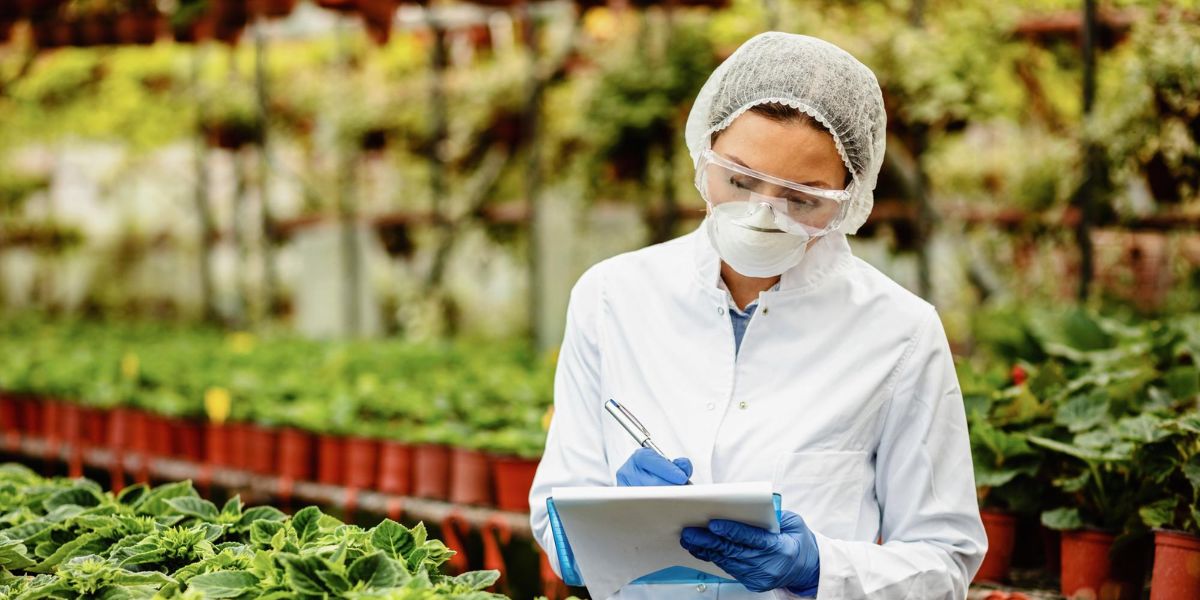
Labels can make sourcing claims, but traceability provides records that support them. That matters when shoppers question claims that seem vague or difficult to verify.
Food supply chain transparency is not simply about publishing more information. It means making information accurate, consistent, and connected to the product being discussed.
A brand may need to know the supplying farm, processing facility, production lot, and shipment destination. Not every detail belongs on packaging, but reliable evidence should support the information shared.
When contamination is suspected, time matters. A disconnected record can force teams to search several systems to determine which lots were affected and where those lots went.
A connected system can narrow that search. The FDA says its rule is intended to support faster identification and removal of potentially contaminated food.
| Supply Chain Stage | Useful Information | Business Value |
| Farm or origin | Supplier, location, harvest date, lot | Establishes origin |
| Receiving | Lot code, quantity, date | Connects material to production |
| Processing | Production lot, facility, transformation | Links ingredients to finished goods |
| Transport | Shipment, destination, handling | Improves movement visibility |
| Distribution | Customer, destination, lot shipped | Supports targeted recalls |
The goal is to capture the right information at the right stage and keep it connected as the product moves forward.
Regulatory expectations are making traceability a practical priority. The FDA’s Food Traceability Rule requires covered businesses handling foods on the Food Traceability List to maintain records tied to Critical Tracking Events and Key Data Elements. Federal action directed that the rule not be enforced before July 20, 2028.
The delayed enforcement date does not remove the operational challenge. Supply-chain partners still need compatible information.
Ingredients may move through growers, brokers, processors, warehouses, carriers, distributors, and retailers. If one participant cannot provide usable information, the gap can affect the chain.
American Harvest Group operates a fully integrated pulse processing plant in North Dakota, giving food manufacturers a direct connection to a single, accountable source across the supply chain from field to finished ingredient. Contact us today to learn how our supply chain model can work for your operation!
Technology does not create traceability by itself. Barcodes, QR codes, enterprise software, cloud databases, and sensors can reduce manual entry and make records easier to retrieve. Research into digital traceability has examined connected records for improved visibility and food safety management.

Identify farms, suppliers, processors, storage points, transportation stages, and customers. Once the path is clear, required data points become easier to define.
Suppliers may use different documents, naming conventions, and lot formats. Standardizing receiving information reduces confusion.
A mock recall can show how long it takes to identify affected lots, locate shipments, contact partners, and isolate products.
Customers need credible information about origin, handling, and sourcing. Internally, brands need enough detail to support those claims and answer questions quickly.
Traceability can reduce recall scope, identify supplier issues, improve inventory visibility, and give quality teams better information. It can also protect brand reputation by making communication more precise during an incident.
Trust in food is increasingly connected to the ability to prove what happened before a product reached the shelf.
Food supply chain traceability tracks a food product or ingredient through defined stages, from origin through processing and distribution.
Farm-level records establish the starting point and connect ingredients to suppliers, lots, harvest information, and later processing records.
Traceability helps identify affected ingredients, destinations, and products, supporting faster investigations and targeted recalls.
No. Traceability connects records throughout the supply chain. Transparency makes relevant information understandable and available. Traceability provides evidence for transparency.
Small brands benefit from structured traceability. Clear lot identification, consistent supplier records, organized receiving data, and recall testing build a practical foundation.
Farm-to-supply-chain traceability is becoming a basic expectation for food brands because the industry can no longer rely on disconnected records and assumptions. Strong traceability connects origin, processing, movement, and distribution into a usable chain of evidence. It supports food safety, strengthens transparency, improves recall readiness, and provides a stronger foundation for credible sourcing claims.
Choose American Harvest Group, a trusted green lentil supplier in Montana, providing dependable sourcing and quality lentils for food brands. Get in touch with us to discuss your ingredient supply needs!

Divyaa Dharga is a contributor at American Harvest Group, specializing in industrial hemp, sustainable agriculture, and emerging biomaterials. With a strong interest in regenerative farming practices and the evolving global hemp economy, she creates research-driven content that helps readers understand cultivation methods, supply chain developments, and innovative applications of hemp-based products. Through in-depth articles and industry insights, Divyaa Dharga supports American Harvest Group’s mission to promote environmentally responsible and economically viable hemp solutions.
