
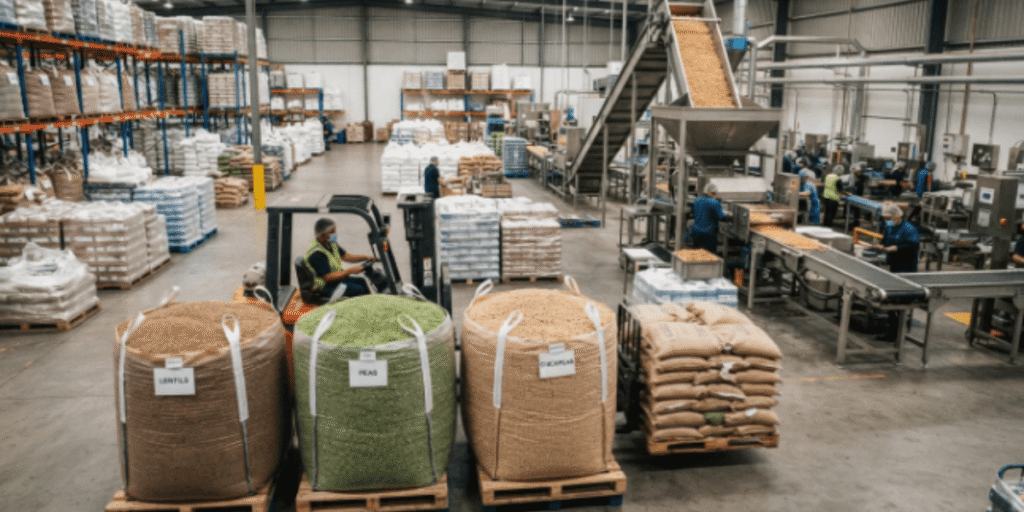
Pulses have moved from a pantry staple to a core ingredient in modern food manufacturing. Lentils, peas, and chickpeas now appear in snacks, bakery items, meat alternatives, and functional foods across every major market, and the pace of that shift keeps accelerating. Global demand for plant protein has pushed brands to rethink how they source these ingredients, since a single missed shipment can stall an entire production line. For food brands, this raises a practical question: how do you secure a consistent, traceable, and year-after-year available bulk pulse supply?
This guide walks through the process global food brands use to source pulses at scale, and what separates a dependable supplier from a risky one.
The global pulses market is projected to reach nearly $88 billion in 2026, with continued growth over the next decade. Chickpeas hold the largest share of this market, and lentils are the fastest-growing category because of their protein content and use in plant-based products. This growth means demand is outpacing what small or regional suppliers can reliably fulfill.
Food manufacturers cannot afford supply disruptions, as a single missed shipment of chickpeas can delay production and disrupt delivery schedules. As a result, brands increasingly seek suppliers that can provide consistent volumes while maintaining reliable quality standards. Demand for plant-based foods has further increased the need for dependable bulk sourcing of plant protein, including whole pulses, beans, protein isolates, and fractions used in products such as nutrition bars, dairy alternatives, and meat substitutes.
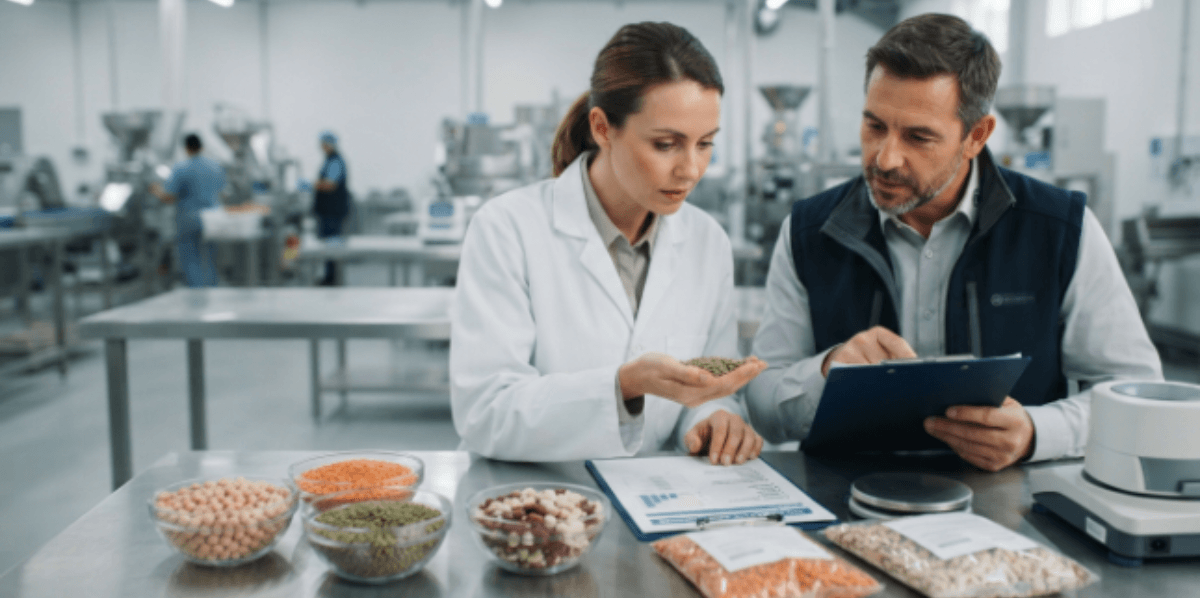
Choosing a wholesale lentil and pea supplier is not a simple price comparison. Manufacturers evaluate several factors before committing to a long-term contract.
Grade consistency affects cooking time, appearance, and shelf stability. A supplier needs standardized grading across every shipment, not just the sample batch.
Manufacturers need partners who can deliver the same volume across multiple harvest seasons. Origination from a wide farmer network reduces the risk of shortfalls tied to a single region’s weather or yield.
Retailers and regulators increasingly require documented origin data. A dependable food manufacturer and pulse supplier should provide clear records from farm to warehouse.
Because major pulse-producing regions harvest at different times of the year, availability shifts throughout the calendar. Suppliers with strong logistics networks can smooth out these seasonal gaps.
Bulk buyers need suppliers who meet food safety certifications relevant to their destination market, along with proper storage and handling standards.
Pricing should reflect actual market conditions. Suppliers who explain their pricing structure build more trust than those who simply quote a number.
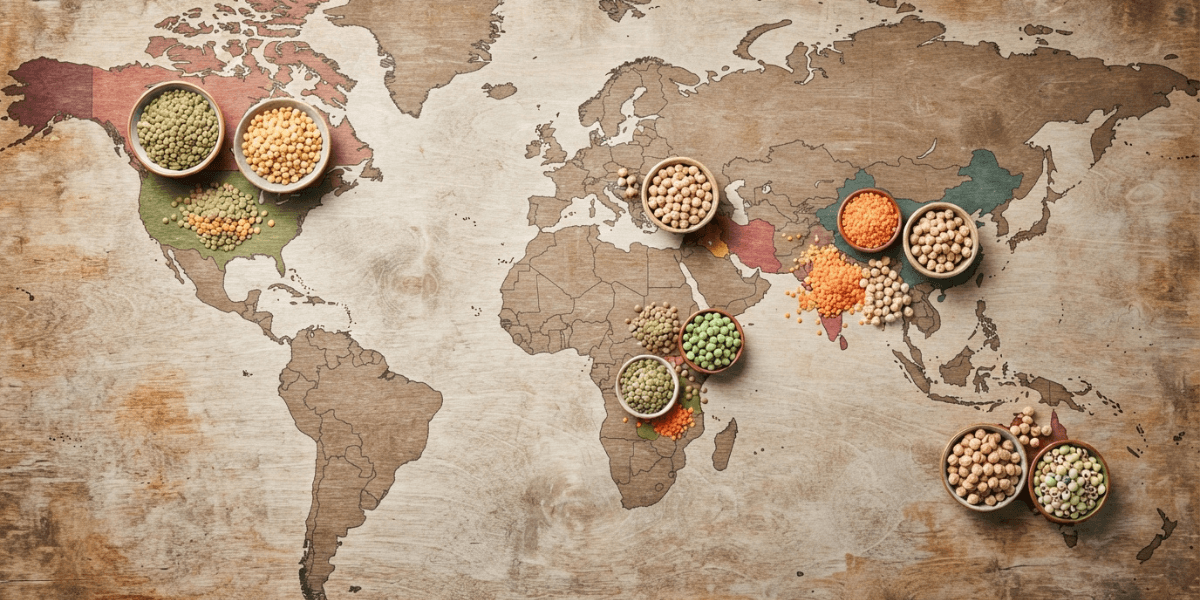
Sourcing decisions often start with geography. Different regions specialize in different pulse types and grades.
Region | Primary Pulses | Known For |
| Canada | Lentils, peas | Leading pulse supplier and major global trade competitor |
| Australia | Chickpeas, lentils | Major export origin serving South Asia and other global markets |
| United States | Chickpeas and pulses | Increased production and improved availability for the Americas |
| Turkey | Pulses | Established Mediterranean producer serving regional markets |
| Mexico | Kabuli chickpeas | Large-calibre, premium-grade chickpeas |
| Russia and Kazakhstan | Pulses | Expanding cultivation and supply capacity for Middle Eastern and Asian buyers |
Table Source: Global Chickpea and Pulse Supply
Buyers seeking a bulk specialty crop in the USA often value the country’s growing production capacity and domestic processing infrastructure, which shortens delivery timelines for North American manufacturers.
Brands seeking a dependable bulk lentils supplier in the USA can turn to American Harvest Group for established farmer relationships and processing capacity that support consistent, traceable supply. Connect with us to discuss your volume requirements!
Manufacturers typically follow a structured process when onboarding a new pulse supplier.
Leaving out any of these steps can increase the risk of inconsistent supply, which can disrupt production planning months later. Manufacturers who follow this process closely tend to build a lentil and chickpea trade supplier relationship that holds up across multiple contract cycles, rather than a one-off purchase.
The rise of plant-based diets has changed how manufacturers approach pulse purchasing. Demand now extends beyond whole pulses into protein isolates and fractions used in protein bars, dairy alternatives, and meat substitutes. This shift has pushed suppliers to invest in milling and extraction capabilities alongside traditional origination, giving buyers access to both raw and processed formats from a single source.
A strong trade partner offers more than a product catalog. Look for a supplier with:
Manufacturers that build long-term relationships with such partners tend to weather seasonal supply swings better than those relying solely on spot-market purchases.
Minimum order quantities vary by supplier and typically start at container-level volumes. Large manufacturers often negotiate multi-container or annual supply contracts.
Suppliers use standardized grading systems, moisture testing, and quality checks at multiple stages, including origination, processing, and pre-shipment inspection.
Major producing regions harvest at different times. A supplier with a diverse origination network can maintain year-round availability even when one region is out of season.
Buyers should request origin certificates, food safety compliance records, and lab testing results for each shipment to support traceability requirements.
Established suppliers with wide farmer networks generally offer more reliable volume and quality control compared with sourcing directly from individual farms, which carries higher supply risk.
Sourcing lentils, peas, and chickpeas at scale requires more than finding the lowest price. Food brands need partners who can guarantee consistent quality, maintain traceability, and deliver reliably across seasons and regions. As demand for plant protein continues to grow, manufacturers who build strong supplier relationships will be better positioned to manage supply risk and meet production goals.
American Harvest Group is a trusted bulk chickpeas exporter in the USA, supplying food manufacturers with consistent, traceable pulse ingredients grown and processed in North Dakota. Contact our team today to discuss your sourcing needs!

Divyaa Dharga is a contributor at American Harvest Group, specializing in industrial hemp, sustainable agriculture, and emerging biomaterials. With a strong interest in regenerative farming practices and the evolving global hemp economy, she creates research-driven content that helps readers understand cultivation methods, supply chain developments, and innovative applications of hemp-based products. Through in-depth articles and industry insights, Divyaa Dharga supports American Harvest Group’s mission to promote environmentally responsible and economically viable hemp solutions.
