
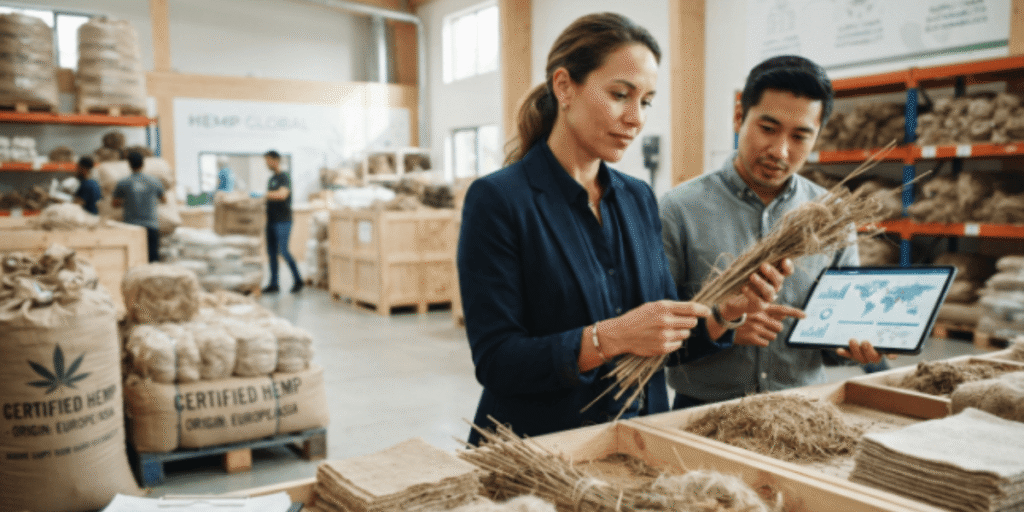
Industrial hemp has moved from a niche crop to a material used across food, fiber, construction, and wellness products. Global demand keeps climbing, yet processing infrastructure in many regions has not kept pace with cultivation. Buyers who once focused mainly on price now face bottlenecks at the decortication and extraction stage rather than at the farm level. A missed shipment or an inconsistent batch can stall production just as easily as a poor harvest can.
This guide breaks down how an industrial hemp supply chain actually works, where the risk tends to show up, and what buyers should look for when securing a dependable, long-term source of volume.
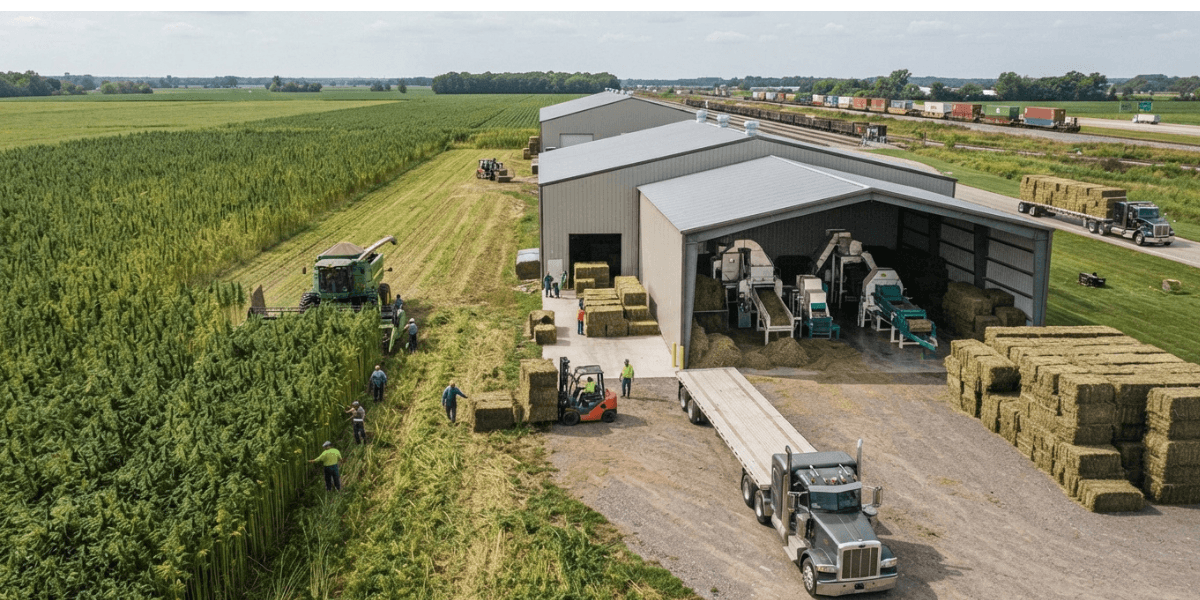
Regulatory shifts across multiple countries have reduced barriers to hemp cultivation and processing, opening the door for more buyers to enter the category. At the same time, corporate sustainability goals are pushing companies to treat hemp as a credible substitute for petroleum-based materials in construction, textiles, and specialty chemicals.
This growth has exposed a structural problem. Cultivation has expanded faster than processing capacity in several regions, leaving buyers exposed to bottlenecks at the decortication and extraction stage rather than at the farm level. Manufacturers who once focused only on price now weigh processing capacity and traceability just as heavily.
Understanding how hemp moves from the field to the finished ingredient helps buyers identify where supply risk typically arises.
Everything starts with the grower network. A strong industrial hemp supply chain depends on farmers who understand regional growing conditions, seed selection, and rotation practices that protect long-term soil health.
Timing matters here. Harvesting too early or too late affects fiber quality and extract yield, so coordination between growers and processors needs to begin well before harvest season.
This stage separates the hemp stalk into fiber and hurd. It requires dedicated equipment that many regions still lack, and it is often the first point where global supply chains slow down.
For buyers focused on cannabinoids or functional extracts, this stage determines purity and consistency. Extraction methods vary widely, and buyers should understand which process a supplier uses before committing to volume.
Every batch needs testing for potency, contaminants, and regulatory compliance. A dependable industrial hemp extract supplier provides lab results with each shipment rather than relying on periodic spot checks.
The final stage covers storage, packaging, and transport. Hemp fiber and extract both require specific handling conditions to prevent degradation before reaching the buyer’s facility.
Supply Chain Stage | Primary Risk | What Buyers Should Verify |
| Cultivation | Source quality can vary | Cultivation practices and regulatory compliance |
| Storage | Heat, light, and air can degrade cannabinoids and terpenes | Storage conditions and handling practices |
| Processing & Extraction | Extraction methods and equipment can affect product quality | Processor qualifications, extraction methods, facility standards, and testing |
| Quality testing | Quality and compliance issues | Credentialed and third-party testing |
| Logistics | Delays can affect the supply chain | Harvesting, storage, transportation, and processing schedules |
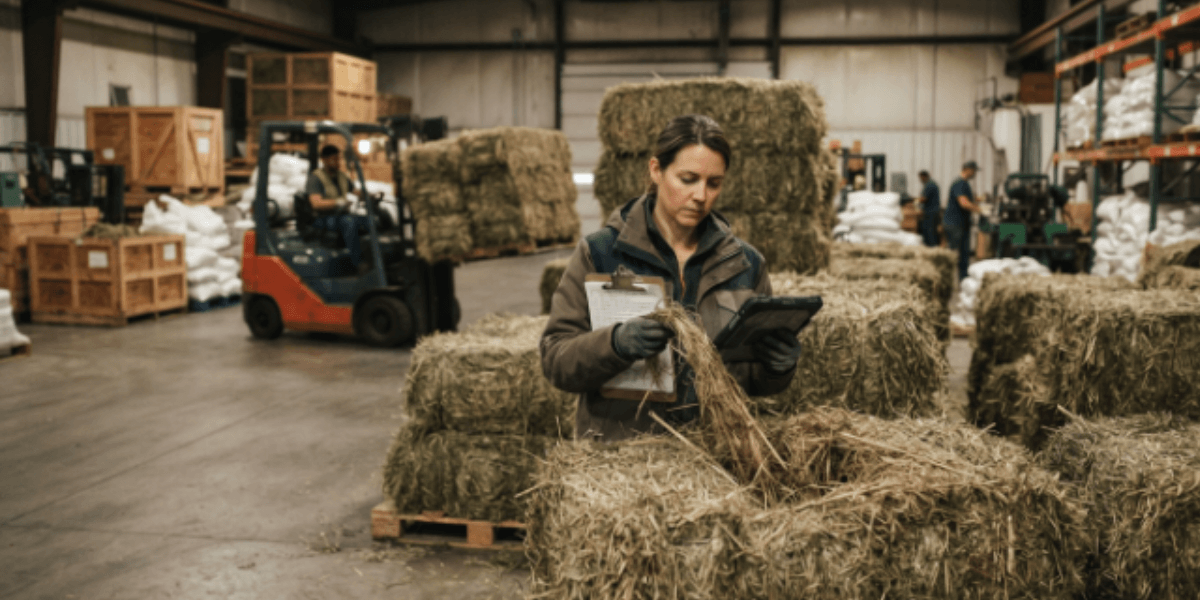
Buyers entering the hemp category often underestimate how fragmented the supply base still is. Effective hemp supply chain management requires accounting for a few recurring obstacles.
Buyers who work with a supplier offering combined cultivation and processing capacity tend to avoid the worst of these disruptions, since fewer parties are involved between farm and finished material.
Manufacturers building a broader raw material program can benefit from working with a reliable bean supplier in Montana, like American Harvest Group. We simplify sourcing and vendor management through an already established supply network. Connect with us today to find the right fit for your supply chain!
A resilient global hemp supply chain strategy starts with diversification and documentation, not chasing the lowest price. Buyers should build relationships with suppliers who can demonstrate consistent output across multiple harvest cycles, not just a single strong season.
Long-term supply agreements also help. Locking in volume ahead of peak demand periods protects buyers from price swings and gives processors the confidence to invest in additional capacity. Traceability systems that track materials from farm to finished product are becoming a standard expectation rather than a bonus feature, since manufacturers that use transparent systems tend to build stronger trust with their customers.
Not every supplier can support large-volume, multi-season contracts. Buyers should evaluate a few core capabilities before signing an agreement.
Hemp requires specialized decorticating and extraction infrastructure that many regions have not yet built at scale. This creates processing bottlenecks even when cultivation is strong.
Working with suppliers who provide batch-level testing records and standardized grading helps buyers avoid the quality variation common across fragmented sourcing regions.
Traceability confirms where material originated and how it was processed. This supports regulatory compliance and builds trust with end customers.
Diversifying across regions reduces exposure to weather events and policy changes that can disrupt supply from any single area.
Buyers should confirm processing capacity, testing procedures, the size of the farmer network, and the supplier’s ability to maintain consistent volume across multiple seasons.
Securing consistent hemp volume depends on more than finding a grower willing to sell. Buyers need partners who combine strong farmer networks with real processing capacity, documented quality control, and the ability to scale across seasons. As demand for hemp-based materials continues to grow, manufacturers that build these relationships early will be better positioned to avoid the bottlenecks that affect less prepared competitors.
Buyers looking to round out their raw material sourcing can also partner with American Harvest Group to be their flaxseed and barley supplier in the USA. Connect with us today to discuss your sourcing requirements!

Divyaa Dharga is a contributor at American Harvest Group, specializing in industrial hemp, sustainable agriculture, and emerging biomaterials. With a strong interest in regenerative farming practices and the evolving global hemp economy, she creates research-driven content that helps readers understand cultivation methods, supply chain developments, and innovative applications of hemp-based products. Through in-depth articles and industry insights, Divyaa Dharga supports American Harvest Group’s mission to promote environmentally responsible and economically viable hemp solutions.
