The USDA Organic seal means something real. For food and supplement brands, it signals quality, safety, and transparency. For consumers, it is a shortcut to trust. But getting there costs money, time, and patience. So the question most ingredient buyers and brand owners eventually ask is a fair one: “Is USDA organic hemp certification actually worth the premium?”
This blog explains what the certification involves, what it means for your product, and how to decide if it makes sense for your business. Let’s get into it!
Organic is not just a marketing term. It is a federally regulated label with specific legal requirements. Understanding those requirements is the first step before deciding if certification fits your supply chain.
In the United States, the USDA’s National Organic Program (NOP) governs all organic labeling. Any product labeled “organic” must contain at least 95% certified organic ingredients. Products with 70% to 94% organic content can only be labeled “made with organic ingredients” and cannot display the USDA Organic seal. Anything below 70% cannot use the word “organic” anywhere on the front of the package.
Getting certified takes five steps. The farm or business picks a USDA-approved certifying agent, completes a detailed plan called an Organic Systems Plan (OSP) that explains how they grow and handle their products, undergoes an on-site inspection, and receives their certificate if everything checks out. After that, an annual inspection is required to keep the certification active.
The requirements apply to every stage of production.
Certification fees vary based on the size and type of operation. The USDA reports that these costs can vary from a few hundred to several thousand dollars per year. The good news is that the USDA’s Organic Certification Cost-Share Program can pay back eligible operations up to 75% of what they spent on certification, which helps smaller producers manage the cost.
It is not only farmers who need certification. Handlers, processors, importers, distributors, and traders must be certified under the Strengthening Organic Enforcement (SOE) rule, which took effect in March 2024. If you buy organic ingredients, this matters because it affects which people in your supply chain need to hold a valid certification.
Hemp is held to a stricter standard in organic certification, and there is a clear reason for it.
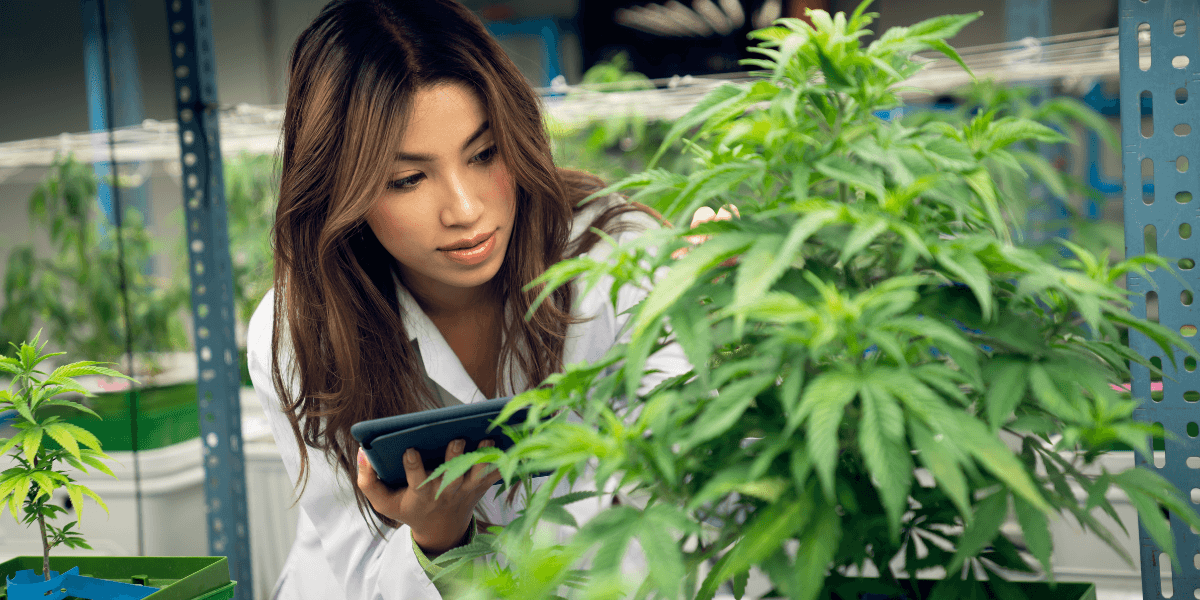
Hemp absorbs what is in its soil. This means if a field has been treated with synthetic chemicals or contains heavy metals, those compounds can end up in the plant. This makes soil history especially important for hemp certification. The land must be free of banned substances for at least 3 years prior to harvesting, with natural fertilization methods consistently maintained throughout that period.
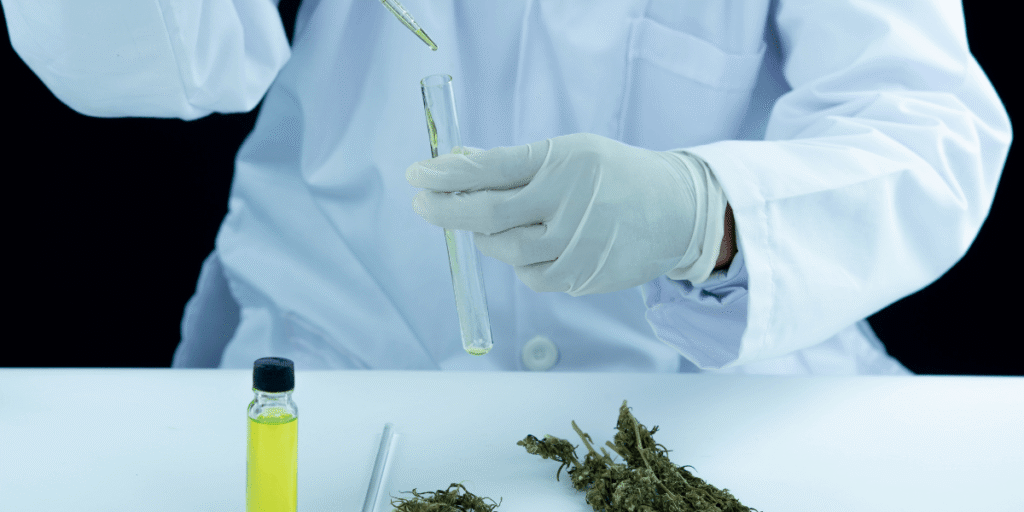
Organic hemp certification also requires a Certificate of Analysis (COA) confirming that the hemp has an acceptable THC level as defined by the USDA Hemp Production Program. Without it, the product is legally classified as marijuana rather than hemp. This COA must accompany the product throughout the supply and distribution chain, making traceability non-negotiable.
Organic and conventional hemp differ in more ways than farming alone. The choice directly impacts your market positioning. Organically certified hemp sells at higher wholesale prices than conventional hemp. The organic hemp market was valued at USD 187.7 million in 2025 and is expected to reach USD 660.3 million by 2035.
Health-focused consumers and premium wellness brands are behind that growth, and organic certification is what gets your brand in front of them.
An organic hemp supplement gives a brand a credible, legally defensible claim that its ingredient was grown without synthetic chemicals. In a sector where building customer confidence is a slow process but losing it can happen in an instant, this carries real weight. Retailers, distributors, and health-focused consumers increasingly ask for it by name.
American Harvest Group sources and supplies a wide range of pulses, legumes, and beans for food brands that prioritize quality and traceability. As a specialty crop supplier in North Dakota, we manage crop origination, processing, and distribution to keep your supply chain clean and consistent. Contact us today to learn more!
Pulses like lentils and chickpeas follow the same USDA organic standards as any other crop. Organic product sales in the U.S. have grown steadily for over a decade, and consumers actively look for the USDA Organic seal on packaged foods and supplements. Many retailers and foodservice operators now require organic certification from their suppliers. Certified organic products are also recognized in international markets like Canada, the EU, Switzerland, Japan, Korea, and Taiwan, which matters a lot for brands with global goals.
Organic certification does cost more upfront, and certified organic ingredients are more expensive. For buyers working on very tight margins, that can be a stretch. But for brands building a clean-label, premium product, the certification tends to pay for itself through stronger consumer trust and wider market access.
USDA organic certification is not the right move for every brand or every product. It is a commitment of time, cost, and operational discipline. But for ingredient buyers in the hemp and pulse space who are building products for health-conscious, transparency-seeking consumers, the USDA organic label requirements exist for good reason. They protect your brand, your customers, and your market position.
The organic hemp market alone is on track to nearly quadruple by 2035. The brands that invest in certified organic sourcing now are the ones positioned to grow with that demand.
Brands that want their own label on quality pulse products do not have to build their own supply chain. As a private-label beans and lentils supplier in the USA, American Harvest Group manages sourcing, processing, and packaging so brands get consistent, reliable ingredients at scale. Contact us today and connect with our team!

Divyaa Dharga is a contributor at American Harvest Group, specializing in industrial hemp, sustainable agriculture, and emerging biomaterials. With a strong interest in regenerative farming practices and the evolving global hemp economy, she creates research-driven content that helps readers understand cultivation methods, supply chain developments, and innovative applications of hemp-based products. Through in-depth articles and industry insights, Divyaa Dharga supports American Harvest Group’s mission to promote environmentally responsible and economically viable hemp solutions.
