
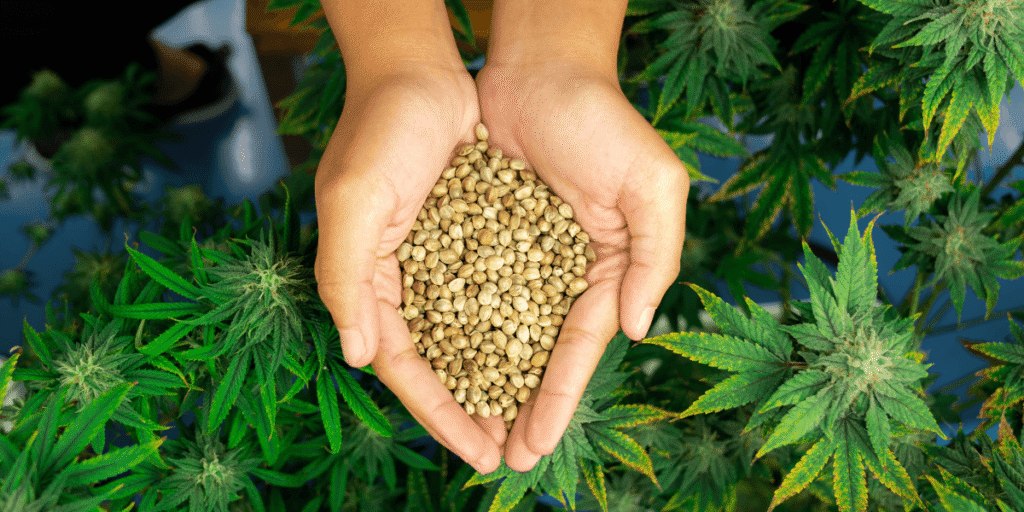
Farmers across North America are testing a simple idea: grow hemp alongside pulse crops like peas and lentils in the same field. This pairing works because pulses feed the soil naturally while hemp grows tall alongside them, reducing the need for outside inputs. The result is a system that supports both plants without heavy fertilizer use.
For bulk buyers, this shift matters just as much as it does for growers, since it strengthens the sustainability of the hemp supply chain and shapes the quality, volume, and reliability of the ingredients coming from these fields. This article looks at how the practice works, what it does for the soil, and what it means for anyone sourcing hemp or pulses at scale.
Intercropping means planting two crops in the same field during the same season instead of growing one at a time. Farmers have paired crops for generations to make better use of limited land, and hemp with pulses follows that same logic on modern farms.
Hemp grows quickly and reaches a good height, while pulses stay low, spread across the ground, and pull nitrogen from the air to feed the soil. Together, the two crops use light, water, and nutrients more efficiently than either would alone.
Growers usually plant pulses in wider bands between rows of hemp, adjusting spacing based on soil type and rainfall. Timing matters too, since pulses need to establish early before hemp closes the canopy overhead. Getting this balance right takes a season or two of testing on most farms.
The benefits of this system go well beyond saving on fertilizer costs.
Pulses convert atmospheric nitrogen into a form plants can use, reducing the need for synthetic fertilizer. This process builds up over multiple growing seasons rather than showing results overnight. Farms using nitrogen-fixing cover crops alongside hemp often report healthier soil test results within a few years.
Mixed plantings confuse pests that rely on finding a single crop across a large area. Research on legume-based intercropping has shown a drop in insect pressure compared to fields planted with just one crop. Fewer pests mean less reliance on chemical treatments.
Some trials pairing hemp with legumes like cowpea have recorded yield increases for companion crops planted nearby, since pollinators and beneficial insects move more freely through mixed fields. Both hemp and pulse yields can benefit from this activity. The land ends up producing more total value per acre.
Hemp and flowering pulses both attract pollinators, and having both crops in one field draws a wider range of beneficial insects. Higher pollinator activity supports not only the intercropped field but also nearby crops. This is a quiet but valuable side effect of the practice.
Different root systems break up soil at different depths, improving drainage and reducing compaction. Pulse roots tend to work closer to the surface, while hemp roots reach further down. Over time, this combination builds a more resilient growing environment.
Better agronomy on the farm translates directly into a more dependable supply further down the chain.
Fields that produce two crops instead of one give growers a buffer against a poor season for either one. This spreads risk and helps stabilize the volume of ingredients available for sourcing each year. Buyers benefit from fewer surprises at contract time.
Healthier soil and reduced pest pressure generally lead to cleaner, more consistent crops at harvest. Fewer chemical inputs also make it easier to meet food grade and export standards. Quality control becomes simpler when the field itself is doing some of the work.
Companies building products around soil health and sustainable farming need a steady supply of ingredients grown the right way. Intercropped fields give these brands a clear story to tell about where their ingredients come from. That story matters more to shoppers every year.
Buyers purchasing hemp or pulses by the ton have their own set of concerns, separate from what happens in the field.
A grower producing two crops on one piece of land is less exposed to a single bad season. This stability carries through to contracts, since buyers face fewer sudden shortages. It also supports a broader push toward sustainability in the hemp supply chain across the industry.
Buyers increasingly want to know exactly which farm and which field their ingredients came from. Intercropped systems are usually run by growers who already closely track soil health data, which makes traceability easier to document. This level of detail supports both quality assurance and marketing claims.
When farms are not entirely dependent on one crop, they are less likely to raise prices sharply after a rough growing season. Buyers see more stable pricing over multiple years as a result. Long-term contracts become easier to plan around.
Farms running intercropped systems tend to take a longer view of their land and their business relationships. Buyers who commit to these growers over several seasons often get first access to volume and better communication about upcoming harvests. Trust builds gradually, and it pays off for both sides.
Buyers looking to lock in supply from growers using these methods have real options today. American Harvest Group runs a pulse processing plant in North Dakota to move lentils, peas, and hemp through a shorter, more transparent supply chain. Reach out to our team to see how our network can fit into your next sourcing plan!
Sourcing strategy is not just about price. It is about picking partners who can deliver consistently for years.
Farms that rotate and intercrop tend to protect their soil better than those growing the same crop every year, leading to more consistent quality. Certifications and third-party testing also give buyers confidence that sustainability claims hold up.
Hemp and pulse harvests differ by region and season, so mapping out supply calendars early helps avoid gaps between suppliers. A little planning here prevents costly last-minute sourcing decisions.
Intercropping hemp with pulse crops is a practical solution to a real problem: how to grow more from the same land while keeping the soil healthy in the long term. The agronomic gains, from better nitrogen levels to stronger pest resistance, feed directly into a steadier supply for anyone buying at scale. As more farms adopt these methods, hemp ingredient sourcing turns into a steadier, more predictable process for buyers and growers alike.
As a green lentil supplier in Montana, American Harvest Group already works with growers using these methods, and getting your supply set up starts with a quick conversation with our team. Reach out to us today!

Divyaa Dharga is a contributor at American Harvest Group, specializing in industrial hemp, sustainable agriculture, and emerging biomaterials. With a strong interest in regenerative farming practices and the evolving global hemp economy, she creates research-driven content that helps readers understand cultivation methods, supply chain developments, and innovative applications of hemp-based products. Through in-depth articles and industry insights, Divyaa Dharga supports American Harvest Group’s mission to promote environmentally responsible and economically viable hemp solutions.
