
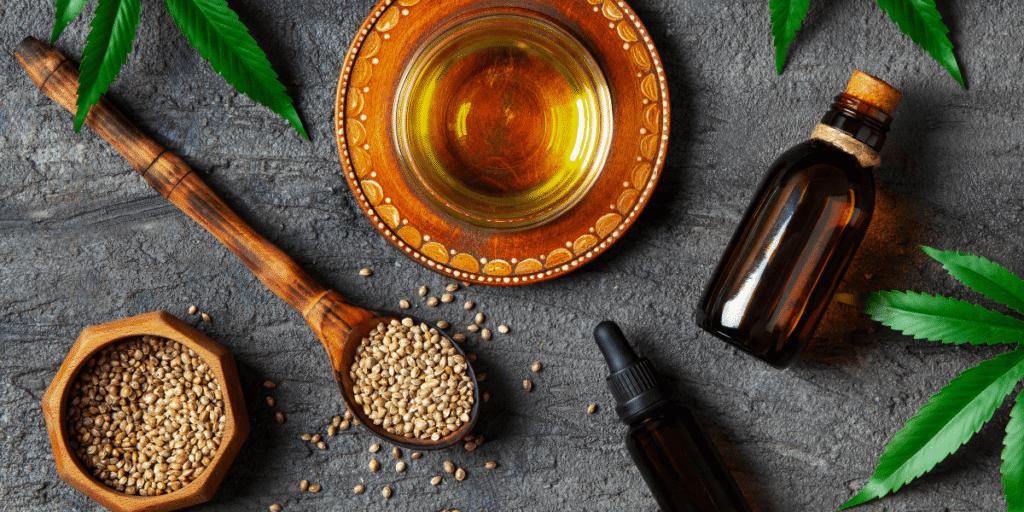
People with food allergies deal with more than discomfort. They deal with labels, ingredient lists, cross-contamination warnings, and the constant stress of figuring out what is actually safe to eat. For millions of people worldwide, finding a protein source that is clean, safe, and nutritious has been a real challenge. Allergen-free hemp protein powder is getting a lot of attention right now, and the reasons are grounded in solid science. Hemp is stepping up as a smart, safe alternative to soy and tree nuts, and the case for it keeps getting stronger.
Allergen-free is a term you see everywhere, but what does it actually mean when it comes to food formulation?
The U.S. Food and Drug Administration identifies nine major allergens: milk, eggs, fish, shellfish, tree nuts, peanuts, wheat, soy, and sesame. These nine ingredients are responsible for the vast majority of serious food allergic reactions. When a product is labeled allergen-free, it means it avoids all or most of these triggers.
Soy is one of the most widely used plant proteins in food manufacturing. It shows up in protein powders, energy bars, meat alternatives, and even baby formula. Soy is on the Big 9 list and is a common allergen that can cause reactions ranging from skin rashes to severe anaphylaxis.
Nut-based proteins like almond and cashew are also gaining popularity. Tree nuts, however, are among the most serious and common food allergens globally. For anyone with a nut allergy, even trace amounts can be dangerous.
Hemp does not fall under any of the Big 9 allergens. It is naturally free from soy, gluten, dairy, and nuts. This makes it a genuinely allergen-safe option for product formulators and health-conscious consumers alike.
Soy and hemp both provide protein, but they are very different ingredients.
Soy is a recognized high-allergen food. Hemp, on the other hand, is considered hypoallergenic, meaning it is far less likely to trigger an immune response. For someone managing food sensitivities, this difference is huge.
Most soy grown in the United States is genetically modified (GMO). Soy protein isolate is also often subjected to heavy chemical processing. Hemp protein, by contrast, is typically minimally processed. Cold-pressed hemp protein preserves more of its natural nutrients, making it a simpler, cleaner product.
Soy contains phytoestrogens, plant-based compounds that mimic estrogen in the body. While research is ongoing, some people prefer to avoid soy for this reason, especially those managing hormone-related health conditions. Hemp does not contain phytoestrogens.
Hemp protein is rich in edestin and albumin, two proteins the human body digests with relative ease. Many people report that hemp avoids the bloating or digestive discomfort that soy sometimes causes.
Unlike soy, hemp naturally contains omega-3 and omega-6 fatty acids in an ideal 3:1 ratio. It also provides dietary fiber, magnesium, iron, and zinc, all in a single serving.
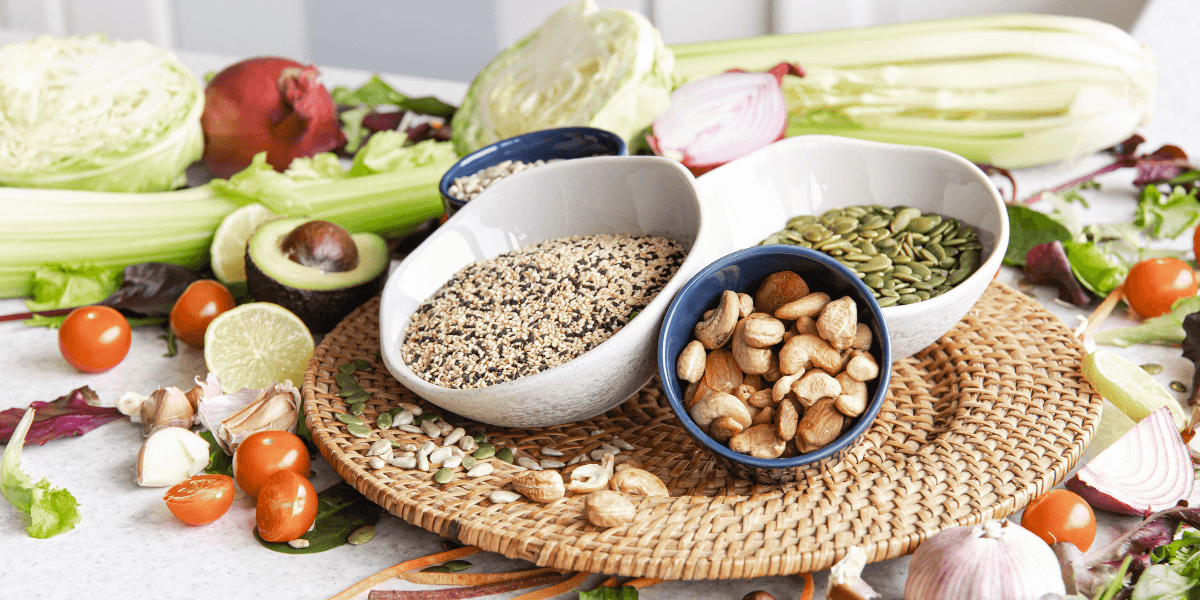
Some real benefits of hemp seed protein set it apart from regular protein sources, nutritionally.
Around 60% of consumers demand clean-label certifications for protein products, a figure hard to ignore. A clean-label protein powder is simply one made with ingredients you can recognize and pronounce. No artificial additives, no synthetic fillers, nothing questionable hiding on the back of the package. Hemp fits this standard well because it comes from ground hemp seeds, and the ingredient list pretty much ends there.
The market is reflecting this shift, too. The Global Hemp Protein Powder Market is valued at USD 216.8 million in 2025 and is projected to reach USD 876.1 million by 2035, growing at a CAGR of 15.0%. Both manufacturers and everyday consumers are moving toward hemp as a functional food ingredient, and the numbers back that up.
Clean labels start with clean sourcing. At American Harvest Group, we supply plant-based ingredients that keep formulations simple, honest, and traceable. As a bulk lentil supplier in the USA, we ensure that what goes on your label is exactly what went into the field. Visit us to learn more!
Hemp is not a grain, so it naturally contains no gluten. This makes it a safe protein choice for people living with celiac disease or non-celiac gluten sensitivity, who often struggle to find options that are both clean and nutritious. For someone with celiac disease, even a small exposure to gluten can cause serious intestinal damage, so having a naturally gluten-free protein source matters a great deal.
It is also a flexible ingredient in the kitchen. Hemp protein powder blends easily into smoothies, soups, baked goods, and oatmeal. Ground hemp seeds can work as a flour alternative, too, bringing a mild, nutty flavor and a solid protein boost to everyday recipes.
Hemp protein is a practical, science-backed solution to a real problem that many people face every day. It is allergen-safe, clean, complete, and surprisingly versatile. As food manufacturers and consumers continue to move away from ingredients that cause harm or raise concerns, the benefits of hemp seed protein speak for themselves. For anyone prioritizing both safety and nutrition, hemp is becoming the clearer, smarter choice.
At American Harvest Group, we back every ingredient with full supply chain accountability. As a bulk chickpeas exporter in the USA, we connect quality crops to the brands that need them most. Call us to connect with our team!

Divyaa Dharga is a contributor at American Harvest Group, specializing in industrial hemp, sustainable agriculture, and emerging biomaterials. With a strong interest in regenerative farming practices and the evolving global hemp economy, she creates research-driven content that helps readers understand cultivation methods, supply chain developments, and innovative applications of hemp-based products. Through in-depth articles and industry insights, Divyaa Dharga supports American Harvest Group’s mission to promote environmentally responsible and economically viable hemp solutions.
