
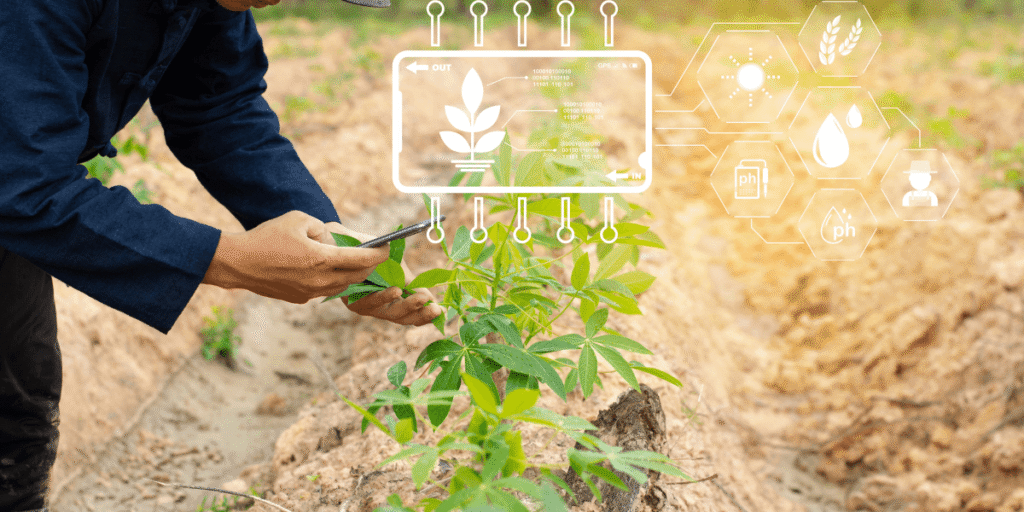
Climate change is now a pressing issue, not a distant concern. Farmers, food producers, and consumers are already feeling its impact through shifting weather patterns, water scarcity, and declining soil health. As pressure grows on global food systems, the focus has turned toward crops that can withstand these changes while supporting long-term sustainability. Hemp and pulses have emerged as powerful options in this conversation.
These crops are not just alternatives. They represent a smarter way forward for climate change in the agricultural sector, offering resilience, efficiency, and environmental benefits that align with the future of food production.
Conventional farming methods depend heavily on predictable seasons, stable rainfall, and fertile soil conditions. Climate change disrupts all of these. Extended droughts, unexpected floods, and rising temperatures are placing strain on crop yields worldwide. In this environment, farmers are looking for climate-resilient crops that can withstand harsh conditions while maintaining productivity. This shift is not only about survival but also about creating reliable supply chains that can support global demand.
A diverse cropping system strengthens agricultural resilience. When farmers rely on a narrow range of crops, any climate shock can lead to significant losses. Hemp and pulses offer diversity that supports stability and reduces risk across farming operations.
Hemp is known for its ability to grow quickly with minimal water and limited need for chemical inputs. This makes it an excellent fit for environmentally friendly agriculture, especially in regions facing water stress. Their extensive root system enhances soil structure and helps prevent erosion. Over time, this contributes to healthier farmland that can support other crops as well.
Hemp plays a role in carbon sequestration by absorbing carbon dioxide during its growth cycle. This helps reduce greenhouse gas levels while improving soil quality. As the interest grows, hemp stands out as a crop that supports both productivity and environmental goals.
Hemp seeds are rich in protein, healthy fats, and essential nutrients. This makes them valuable for food manufacturers focused on plant-based products. Beyond food, hemp is also used in textiles, construction, and biodegradable materials, making it a key player in sustainable food production and beyond.
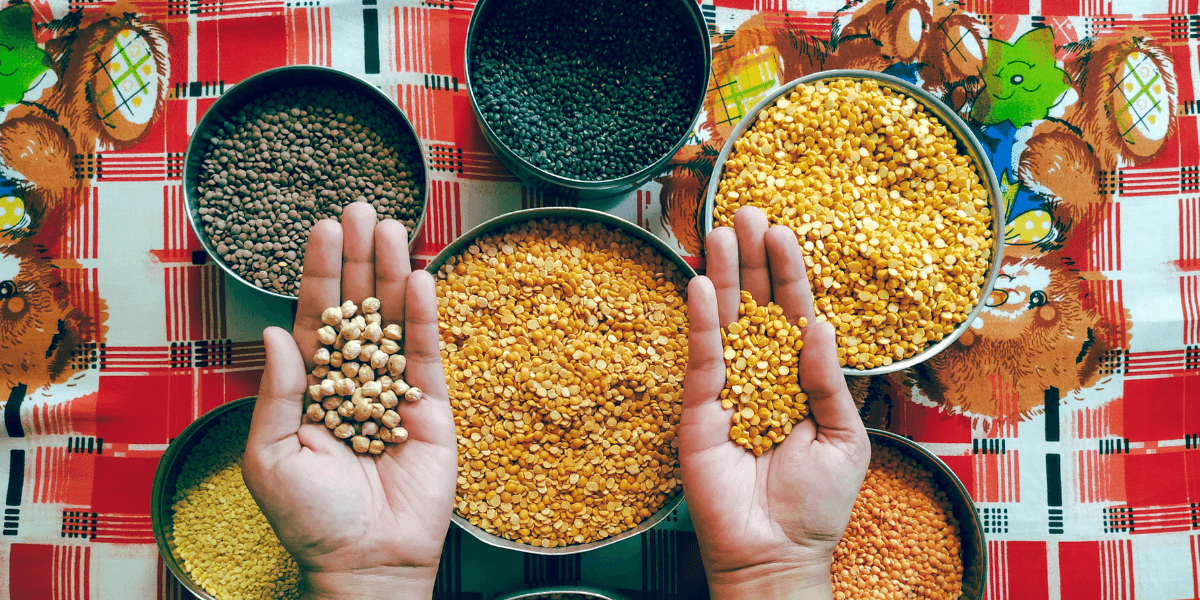
Pulses such as lentils, chickpeas, and beans are packed with protein, fiber, and essential minerals. They provide a cost-effective source of nutrition, which is critical as global populations grow and food demand rises.
Their affordability makes them accessible across different markets, supporting both developed and developing economies.
One of the biggest advantages of pulses lies in their ability to fix nitrogen in the soil. This natural process reduces the need for synthetic fertilizers, which are often energy-intensive and costly. By improving soil fertility, pulses support sustainable agriculture practices while helping farmers reduce input costs.
Pulses thrive in dry and semi-arid regions, making them highly adaptable. They require less water compared to many traditional crops and can thrive in less fertile soils. This makes them reliable, crops that contribute to stable harvests even under challenging conditions.
Food systems are evolving to meet the demands of sustainability and resilience. Hemp and pulses fit naturally into this shift by offering consistent yields and diverse applications.
Incorporating hemp and pulses into crop rotations helps reduce the overall environmental footprint of farming. These crops improve soil health, reduce the need for chemical inputs, and support biodiversity. As a result, they create systems that are both productive and environmentally responsible.
Hemp and pulses fit well into regenerative agriculture models that focus on restoring soil health and increasing biodiversity. Their natural benefits, such as nitrogen fixation and improved soil structure, make them ideal for crop rotation strategies. Over time, this approach leads to healthier land, better yields, and reduced reliance on external inputs.
Consumers are becoming more aware of how food is produced. There is growing interest in plant-based diets, clean ingredients, and sustainable sourcing. Hemp and pulses align with these preferences, making them valuable for brands and manufacturers looking to stay relevant in a changing market.
Hemp and pulses can support shorter, more reliable food supply chains. Sourcing locally lowers transportation requirements, reduces emissions, and ensures fresher produce. Farmers who grow these crops often supply nearby processors and distributors, creating stronger regional networks that are less vulnerable to global disruptions. This approach also supports rural economies by keeping production and value creation within local communities.
Food security is a growing concern as climate pressures increase. Hemp and pulses contribute to stable food systems by offering dependable yields and long shelf life. Pulses, in particular, can be stored for extended periods without losing nutritional value, making them a practical option for emergency reserves and long-term planning. Their role in sustainable food production becomes even more important during times of uncertainty.
The rise of plant-based foods has created new opportunities for hemp and pulses. These crops are widely used in protein powders, meat alternatives, and dairy-free products. Their versatility allows food manufacturers to develop innovative items that meet changing consumer preferences. As the market expands, hemp and pulses continue to shape the future of food through creative applications and consistent performance.
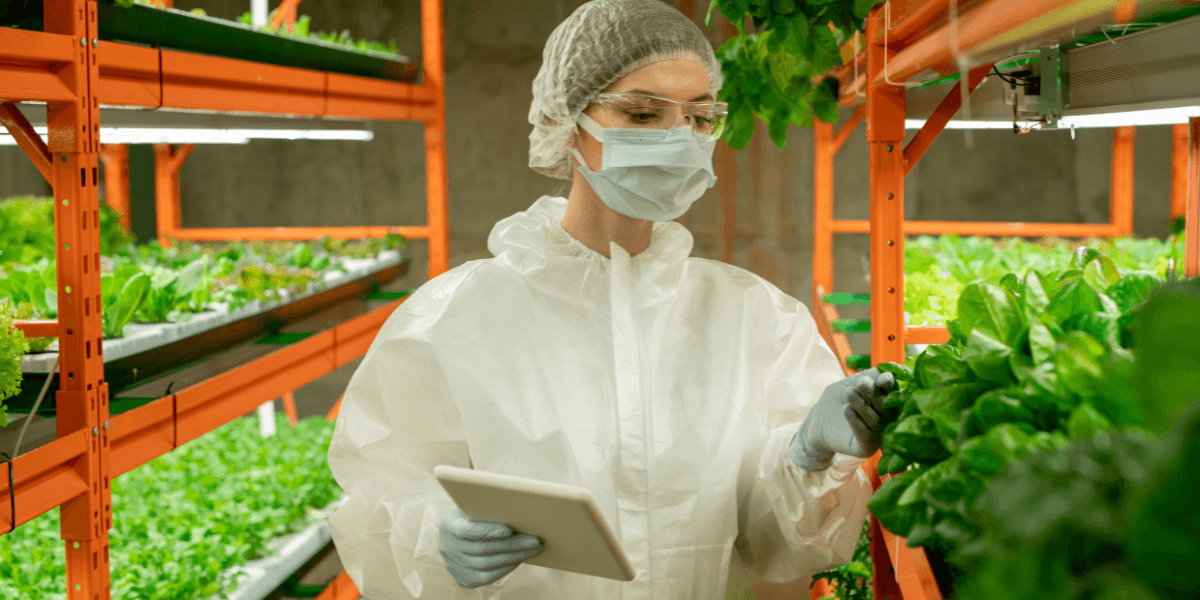
As demand for climate-resilient crops grows, partnering with a professional bean-washing company in the USA helps ensure pulses are properly processed and ready for large-scale distribution. American Harvest Group is a great option as we focus on reducing waste and improving processing efficiency for better product outcomes!
Adopting hemp and pulses in modern food systems brings clear benefits but also presents practical challenges that require careful attention. Addressing these concerns can help farmers, suppliers, and policymakers create smoother transitions and long-term success.
Climate change is reshaping the way food is grown and distributed. Hemp and pulses offer practical solutions that address many of the challenges facing modern agriculture. Their ability to thrive in difficult conditions, improve soil health, and support diverse food applications makes them essential components of future food systems. By focusing on drought-tolerant crops and adopting smarter approaches, the industry can move toward systems that are both sustainable and efficient.
Looking for a reliable exporter of bulk chickpeas in the USA? American Harvest Group delivers high-quality chickpeas that support the growing demand for plant-based nutrition in the country!

Divyaa Dharga is a contributor at American Harvest Group, specializing in industrial hemp, sustainable agriculture, and emerging biomaterials. With a strong interest in regenerative farming practices and the evolving global hemp economy, she creates research-driven content that helps readers understand cultivation methods, supply chain developments, and innovative applications of hemp-based products. Through in-depth articles and industry insights, Divyaa Dharga supports American Harvest Group’s mission to promote environmentally responsible and economically viable hemp solutions.
