
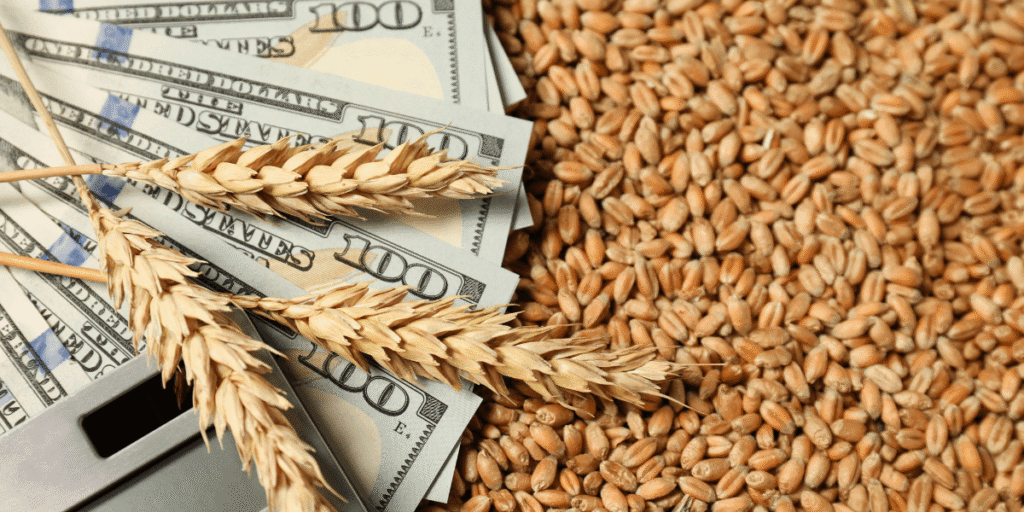
The demand for protein has grown rapidly in recent years, driven by fitness trends, plant-based diets, and greater awareness of its health benefits. Many consumers are looking at alternatives to traditional animal proteins such as beef, chicken, and whey. Hemp and pulse proteins are gaining popularity because they offer a sustainable, cost-effective option.
This article examines differences in cost, nutritional value, and usability between these plant-based proteins and conventional animal proteins.
Animal proteins, like whey and meat, have been the traditional choice for decades. They are complete proteins, meaning they provide all essential amino acids necessary for muscle growth and overall health. Whey protein, for instance, is highly digestible and popular in the fitness community for its quick absorption.
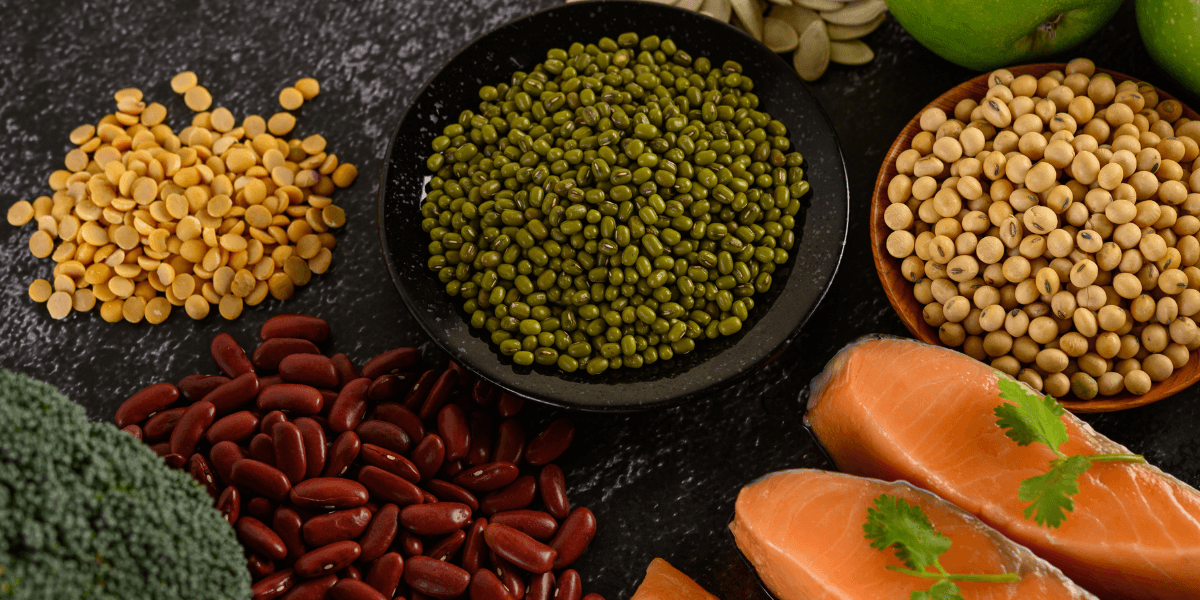
On the other hand, the plant protein vs animal protein debate has gained traction. Plant proteins, such as hemp, peas, and other pulses, offer a different nutritional profile. They are naturally low in fat, cholesterol-free, and rich in fiber. Pulses, including lentils and chickpeas, offer excellent protein content and added micronutrients, making them attractive to health-conscious consumers.
Protein supplements have grown into a diverse market in the USA, offering options for every dietary preference, fitness goal, and lifestyle. Consumers can find products that support muscle growth, weight management, or general health. The variety includes both animal and plant-based options, each with unique benefits and characteristics. Choosing the right supplement depends on taste, digestibility, nutritional profile, and cost.
Some popular types of protein supplements include:
With so many options available, consumers in the USA can find protein supplements that align with both health goals and budget considerations, while making choices that reflect ethical or dietary preferences.
Sourcing high-quality ingredients is critical for the best supplements. American Harvest Group is a premier bulk chickpea exporter in the USA, providing top-quality chickpeas to wholesalers and food companies. Our services ensure a consistent supply and excellent value for high-quality protein products.
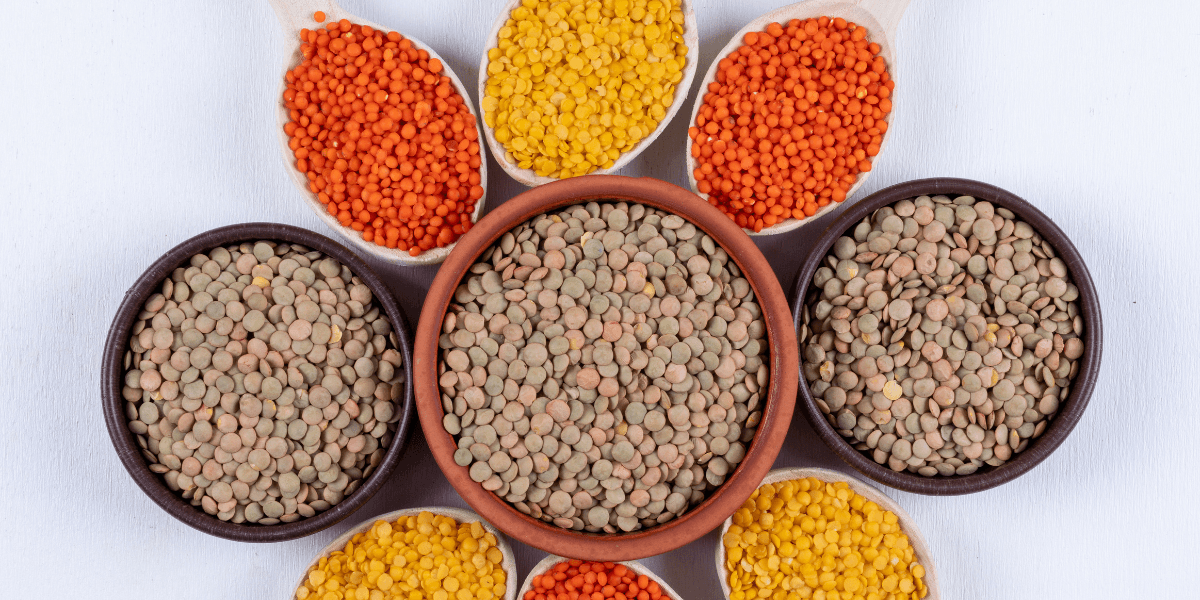
When comparing costs, plant-based proteins often come out ahead. The production of hemp and pulse proteins generally requires less land, water, and energy than raising animals. This translates to a lower overall price for consumers.
For example, comparison of pea protein vs whey often shows that plant protein powders cost less per gram of protein. Whey production involves dairy farming, processing, and filtration, all of which add to the price. On the other hand, pea protein can be produced on a large scale from crops grown in regions like North Dakota.
Consumers comparing value often look for the cheapest vegan protein per gram. A protein cost comparison of pea, rice, hemp, and soy shows that pea protein is typically among the most economical options, while rice and hemp provide additional nutritional benefits and soy remains a cost-effective complete plant protein. Comparing these sources helps buyers balance price, nutrition, and intended use when selecting plant-based protein ingredients.
Hemp protein is slightly more expensive than pea protein, but still undercuts many animal-based proteins when considering environmental and production costs. Hemp grows quickly, replenishes soil nutrients, and requires minimal pesticides, reducing overhead costs compared with conventional livestock farming.
Cost is an important factor, but nutrition remains a key consideration when choosing protein sources. Animal proteins generally provide a high concentration of all essential amino acids, making them efficient for muscle repair and growth. Whey protein, for instance, is considered the gold standard for athletes, but this quality comes at a higher price due to dairy production, processing, and filtration.
However, plant proteins are closing the gap. Vegan protein vs whey comparisons show that pulses like peas and lentils can provide a complete amino acid profile when combined with grains or other legumes. Hemp protein contains omega-3 fatty acids, fiber, and minerals like magnesium and iron, which are not typically found in high amounts in animal proteins.
Vegan proteins also reduce the risk of high cholesterol and saturated fat intake. Those seeking good vegan protein sources for health or ethical reasons often find hemp, pea, and soy proteins to be highly effective alternatives for meeting daily protein requirements. For many consumers, choosing plant proteins can mean getting high-quality nutrition while saving money over time.
Taste, texture, and versatility influence protein selection, but these factors also affect cost efficiency. Whey protein mixes easily in shakes, making it convenient for post-workout nutrition, but higher prices can add up for regular use. Plant proteins sometimes require blending for smoothness, yet they are versatile in recipes and often more affordable in bulk.
Many users prefer plant proteins for their versatility and value. Hemp protein works well in smoothies, baked goods, and salad dressings. Pea protein can be incorporated into vegan burgers, soups, and protein bars. For those managing a budget or seeking sustainable options, choosing among different vegan protein sources can deliver the nutrition they need at a fraction of the cost of traditional animal proteins.
The environmental footprint of protein production directly impacts costs. Animal farming contributes significantly to greenhouse gas emissions, water consumption, and land use, all of which are reflected in higher prices for meat, dairy, and whey products.
Plant proteins, particularly hemp and pulses, require fewer resources and maintain more stable prices. As sustainability regulations become stricter and consumer preferences shift toward ethical products, the cost of animal proteins may rise further due to compliance and operational costs.
Choosing plant proteins offers a combination of lower cost, nutritional benefits, and a smaller environmental impact, making them a smart option for both health-conscious and budget-conscious consumers.
| Protein Type | Production Factors | Cost per Gram of Protein |
| Hemp Protein | Fast-growing crop, minimal pesticides, low water use | Moderate, usually lower than whey or meat |
| Pea Protein | High-yield pulses, easy large-scale cultivation | Low, very cost-effective |
| Lentils & Chickpeas | Easy to grow, low resource input | Low |
| Whey Protein | Dairy farming, processing, and filtration | High |
| Meat (Beef, Chicken) | Livestock farming, feed, land, labor | High |
| Eggs | Poultry farming, feed, care | Moderate to high |
Hemp and pulse proteins offer an appealing cost advantage over traditional animal proteins. They are environmentally sustainable, nutritionally rich, and versatile. While whey and other animal proteins remain popular for their quick absorption and complete amino acid profiles, plant-based proteins offer comparable benefits with added health and ethical advantages.
The demand for plant protein is soaring. Partner with a premier specialty crop supplier in North Dakota to take advantage of it. For high-quality plant proteins and a dependable supply, American Harvest Group provides premium products that meet diverse dietary needs.

Divyaa Dharga is a contributor at American Harvest Group, specializing in industrial hemp, sustainable agriculture, and emerging biomaterials. With a strong interest in regenerative farming practices and the evolving global hemp economy, she creates research-driven content that helps readers understand cultivation methods, supply chain developments, and innovative applications of hemp-based products. Through in-depth articles and industry insights, Divyaa Dharga supports American Harvest Group’s mission to promote environmentally responsible and economically viable hemp solutions.
