

Bulk buyers in the global food and ingredient market are changing how they evaluate suppliers. Price still matters, but it is no longer the only factor guiding decisions. Traceability and sustainability now sit at the center of procurement strategies, especially for agricultural commodities like pulse crops. Lentils, chickpeas, peas, and beans are gaining attention because they offer strong nutritional value, stable supply potential, and lower environmental impact compared to many other protein sources.
As demand increases for cleaner labels and ethical production, buyers want clear visibility into how ingredients are grown, processed, and delivered. This expectation connects closely with sustainable pulse sourcing, where accountability runs through every stage of production.
Traceability in agricultural supply chains refers to the ability to track a product at every stage, starting from the farm and moving through processing, storage, and distribution. It gives buyers a complete picture of where ingredients come from and how they are handled along the way. This level of visibility is becoming essential in bulk procurement because it reduces uncertainty and strengthens confidence in sourcing decisions.
In food manufacturing and retail, traceability helps verify quality, origin, and production practices. It also supports compliance with safety and sustainability standards that continue to grow in importance across global markets. Digital tracking systems, farm documentation, and certification programs all contribute to stronger food supply chain transparency.
Sustainability is no longer a secondary consideration in bulk purchasing. Buyers now face pressure from consumers, regulators, and retail partners to source ingredients responsibly. This shift is strongly tied to environmental concerns such as soil degradation, water usage, and greenhouse gas emissions linked to food production. Pulse crops play a meaningful role in addressing these concerns. Through natural nitrogen fixation and low-input farming methods, they support food production sustainability while reducing reliance on synthetic fertilizers.
Procurement strategies are also influenced by sustainability reporting requirements and ESG frameworks. Companies now evaluate suppliers based on measurable environmental and social performance. As a result, responsible sourcing of pulses has become a standard expectation in long-term supplier relationships.
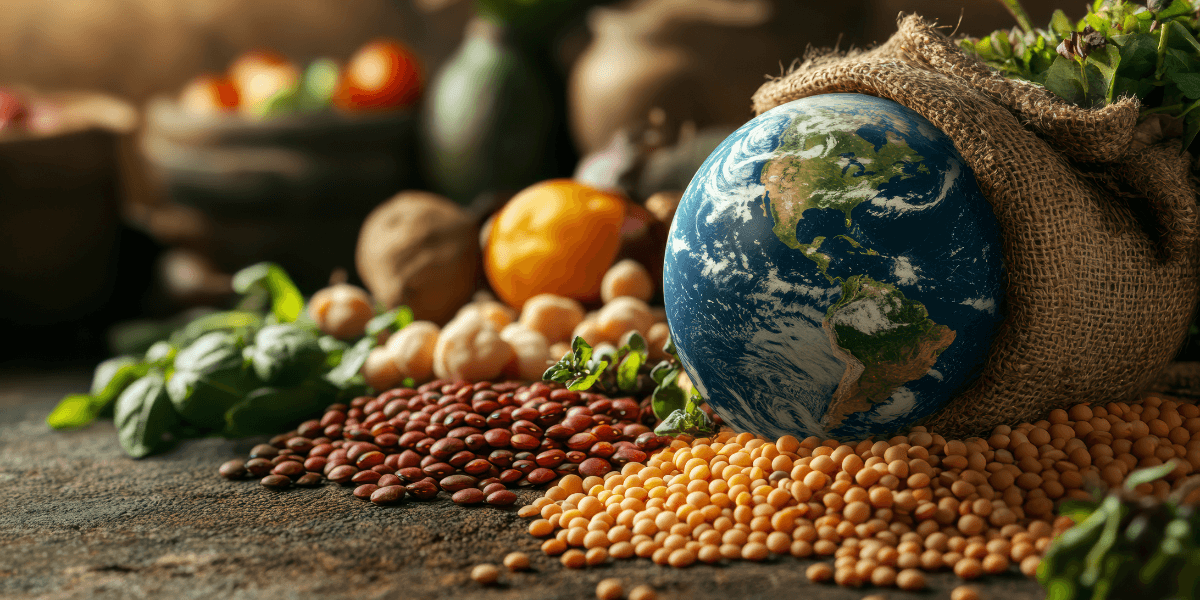
Pulse crops require relatively low water inputs compared to many other protein crops, which makes them suitable for regions facing resource constraints. They also improve soil health through nitrogen fixation, reducing the need for chemical fertilizers. This natural process supports crop rotation systems and contributes to long-term agricultural balance.
From a purchasing perspective, pulses offer more stable pricing patterns compared to highly volatile commodities. Their adaptability across different growing regions also reduces sourcing risk. Because pulses store well without rapid quality loss, they provide efficiency benefits in transportation and inventory management.
Pulse crops deliver consistent protein and fiber content, which supports formulation needs in food manufacturing. Their reliability across global supply chains makes them a preferred ingredient for large-scale production. Demand for bean protein source ingredients in plant-based foods continues to rise, further strengthening their importance in bulk procurement strategies.
Traceable systems begin at the farm. Farmers record crop origin, planting methods, and harvest conditions. Field monitoring tools and reporting systems help capture accurate data that later supports verification processes. This stage forms the foundation of reliable sourcing information.
Once crops leave the farm, documentation continues through cleaning, milling, and packaging stages. Quality control checks are applied to maintain consistency across batches. This step helps buyers understand how raw agricultural inputs are transformed into finished ingredients.
Certifications such as organic labeling, food safety audits, and sustainability assessments strengthen buyer confidence. Third-party verification adds credibility to sourcing claims and supports compliance with international trade requirements.
Modern traceability systems increasingly rely on digital tools such as blockchain and ERP platforms. These systems allow real-time tracking of shipments, storage conditions, and processing updates. They also help monitor environmental indicators, including emissions across the supply chain.
Long-term partnerships between buyers and suppliers support stronger consistency in quality and data reporting. These relationships encourage shared responsibility for sourcing standards and help maintain ethical production practices over time.
To strengthen sourcing reliability, American Harvest Group, a reliable bulk lentils supplier in the USA, helps maintain consistency in quality and traceability across supply chains.

Bulk buyers are now prioritizing suppliers that demonstrate measurable environmental performance with traceable pulses. Lower-impact sourcing improves brand reputation for companies that rely on these ingredients in finished products. It also reduces exposure to regulatory risks as governments tighten environmental compliance requirements.
Sustainable sourcing practices are closely tied to long-term business resilience. Companies that invest in responsible procurement tend to perform better in competitive markets due to stronger consumer trust. As sustainability reporting becomes more common, procurement decisions are increasingly aligned with ESG targets and climate commitments. Pulse crops, due to their natural agricultural advantages, often fit these requirements more easily than many alternative ingredients.
Despite progress, several challenges remain. Global supply networks are often fragmented, which makes consistent tracking difficult.
Bulk buyers are no longer treating pulse sourcing as a simple commodity transaction. Decisions now reflect a deeper focus on transparency, environmental responsibility, and supply chain reliability. Traceability systems and sustainable farming practices are becoming essential tools for managing risk and building long-term trust.
As global demand increases, pulse crops will continue to play a central role in sustainable pulse sourcing, supporting both nutritional needs and environmental goals. Buyers who invest in traceable systems today are positioning themselves for stronger resilience and more responsible supply chain performance in the future.
American Harvest Group has a small retail packaging company in North Dakota to support efficient packaging and consistent product quality across its supply chain. Get in touch with us today to learn more!

Divyaa Dharga is a contributor at American Harvest Group, specializing in industrial hemp, sustainable agriculture, and emerging biomaterials. With a strong interest in regenerative farming practices and the evolving global hemp economy, she creates research-driven content that helps readers understand cultivation methods, supply chain developments, and innovative applications of hemp-based products. Through in-depth articles and industry insights, Divyaa Dharga supports American Harvest Group’s mission to promote environmentally responsible and economically viable hemp solutions.
