
Food brands across the United States are under constant pressure to manage ingredient costs while maintaining quality, nutrition, and dependable supply. Rising freight expenses, changing crop markets, and consumer demand for cleaner labels have made sourcing more complex than ever. In this environment, pulse crops have become an important solution.
Pulses include chickpeas, lentils, dry peas, and beans. These crops offer practical value for brands seeking dependable ingredients that perform well in a wide range of products. They can be used in flours, starches, proteins, snacks, frozen meals, soups, bakery mixes, and ready-to-eat foods. For many manufacturers, pulse ingredients support better margins while helping product teams meet modern market expectations.
Pulse crops bring a rare combination of affordability, functionality, and nutrition. Compared with many specialty ingredients, pulses are widely grown, stored efficiently, and processed into multiple usable forms. That creates more purchasing flexibility for food brands.
This is one reason many procurement teams now view pulses as cost-effective food ingredients that can support long-term planning instead of short-term substitutions.
Protein prices can shift quickly depending on market conditions. Pulse proteins often provide a practical alternative for brands looking to control formulation costs while keeping nutrition targets in place.
Pea protein and chickpea protein are now common in beverages, bars, meat alternatives, and prepared foods. They help brands diversify ingredient buying and reduce dependence on a narrow supplier base.
Pulse flours and starches are often used in bakery products, snacks, coatings, and gluten-conscious formulas. They can partially replace higher-cost ingredients while adding texture and nutritional value.
That makes pulses especially useful for brands looking to balance quality and margin in competitive retail categories.
Cost control is not only about price per pound. Reliable deliveries, stable specifications, and available inventory all affect total cost. Production delays or reformulation work can be more expensive than ingredient price changes.
Pulse crops are produced in major agricultural regions across North America, creating strong supply opportunities for U.S. food brands. Working with established bulk pulses suppliers can improve scheduling, lot consistency, and purchasing confidence. A wider supply base often helps buyers manage risk during seasonal shifts or market disruptions.
Agriculture product
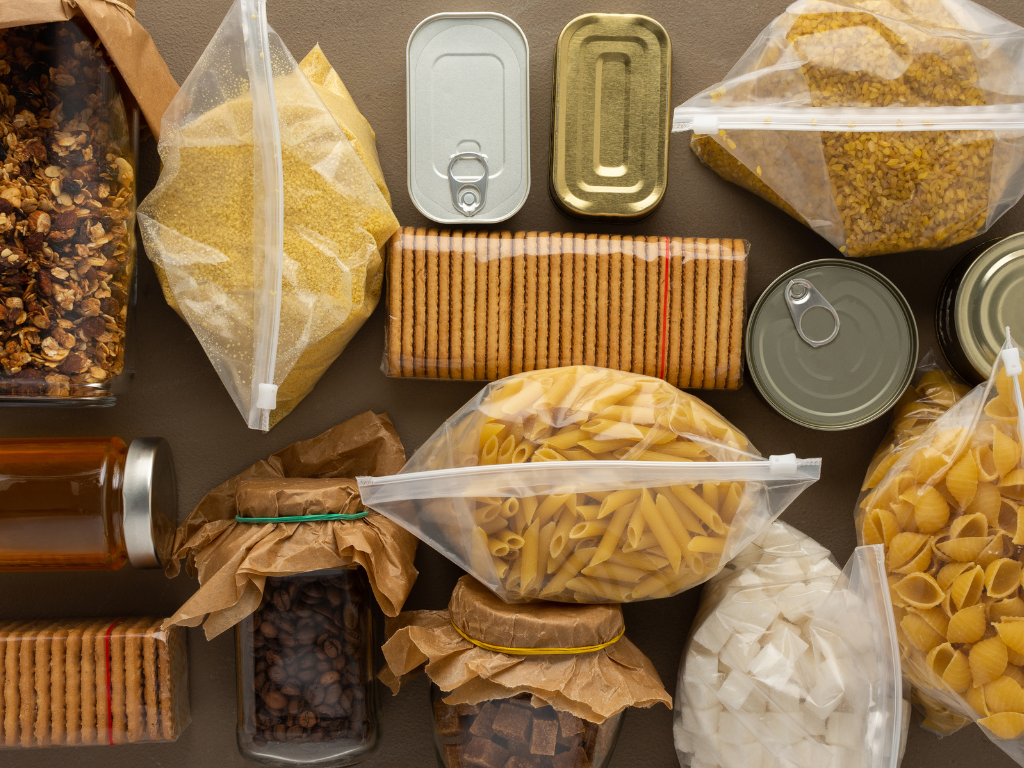
Reliable packaging plays an important role in preserving pulse ingredient value during storage and transit. Moisture barriers, durable bags, accurate lot labels, and stable pallet configurations help reduce waste, contamination risks, and handling damage. Many food brands work with American Harvest Group, offering food-grade crop packaging in the USA, to maintain compliance and cleaner warehouse operations. Strong packaging standards also help products arrive in better condition and ready for immediate production use.
Pulse ingredients contribute structure, water absorption, and binding support in many food systems. This can reduce the need for multiple specialty additives.
For example, chickpea flour may help improve batter systems, while pea starch can support texture in prepared foods.
Many teams now use pulses in food manufacturing because a single crop family can serve multiple departments. Product developers may use pulse flour in snacks, pulse protein in frozen meals, and pulse starch in sauces. This flexibility can simplify sourcing programs and improve buying efficiency.
Modern shoppers increasingly look for products with protein, fiber, simple labels, and recognizable ingredients. Pulse crops fit naturally into those preferences.
That gives food brands a chance to reduce cost pressure while improving product appeal. In many cases, pulse-based ingredients support both commercial and nutritional goals at the same time.
The plant-based category continues to expand across grocery shelves and foodservice menus. Brands need ingredients that deliver nutrition and texture without creating unnecessary cost strain.
Pulses are widely recognized as strong plant-based protein sources and are now used in burgers, bowls, dairy alternatives, snacks, and meal kits. Because pulses come in several forms, brands can choose the ingredient type that best suits product needs and budget targets.
Pulse crops are known for agricultural benefits such as nitrogen fixation, which can support soil health and reduce fertilizer needs in crop rotations. While farming economics vary by region, these traits have made pulses important in conversations around responsible agriculture.
For food brands focused on sustainable ingredient sourcing, pulse crops can support environmental goals while also serving practical purchasing needs.
Buying flour, whole seed, protein, and starch from one supply network may create stronger pricing opportunities and easier logistics management.
Sharing demand forecasts with suppliers often improves availability and supports steadier pricing over time.
Clear quality standards reduce rejected shipments, production downtime, and rework costs.
Consistent supplier relationships often lead to smoother communication and faster issue resolution.
Pulse crops now appear in:
Ingredient sourcing is no longer just a purchasing task. It now plays a direct role in pricing strategy, product claims, speed to market, supply stability, and long-term customer trust. Food brands must think beyond short-term costs and consider how ingredients support growth and daily operations. Pulse crops give brands a practical tool for handling several of these priorities at once. They offer cost efficiency, formulation flexibility, broad consumer appeal, dependable sourcing options, and useful nutrition benefits. For many food companies, that combination is difficult to ignore in a competitive market.
American Harvest Group helps food brands secure dependable pulse ingredients backed by quality standards and responsive service. Companies searching for a reliable bean supplier in Montana can connect with American Harvest Group for sourcing solutions built around consistency, value, and long-term supply confidence.

Divyaa Dharga is a contributor at American Harvest Group, specializing in industrial hemp, sustainable agriculture, and emerging biomaterials. With a strong interest in regenerative farming practices and the evolving global hemp economy, she creates research-driven content that helps readers understand cultivation methods, supply chain developments, and innovative applications of hemp-based products. Through in-depth articles and industry insights, Divyaa Dharga supports American Harvest Group’s mission to promote environmentally responsible and economically viable hemp solutions.
