
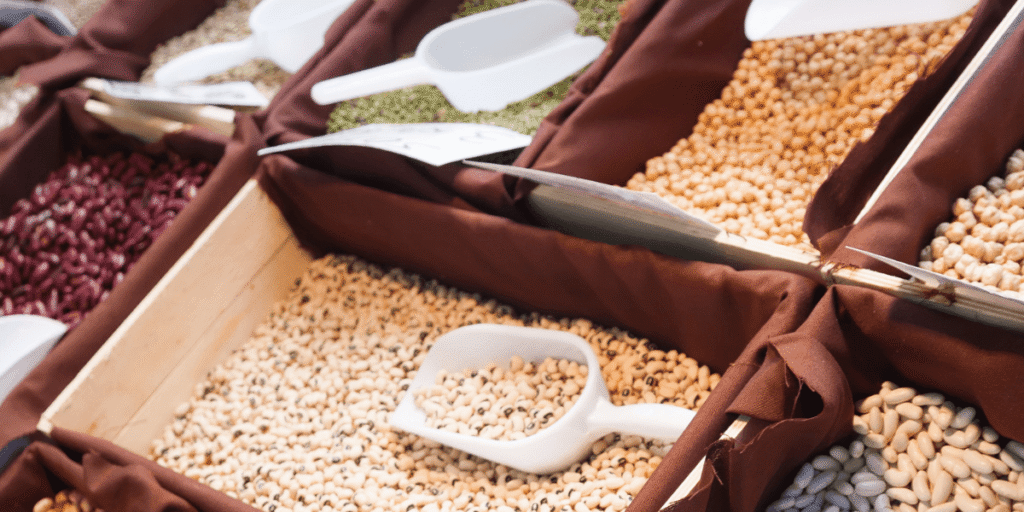
Functional foods are shaping the way we eat and the ingredients we choose for daily nutrition. Consumers are seeking products that not only taste good but also provide real health benefits. Plant-based proteins have gained traction as key components of this shift, offering sustainable, nutrient-rich alternatives to traditional animal-based products.
Among these, hemp and pulse crops stand out as versatile, nutritious, and environmentally conscious options. Understanding their benefits and applications helps manufacturers create foods that meet growing demand for wellness-focused nutrition.
Hemp is gaining recognition beyond its traditional associations and is now valued for its impressive nutritional profile. Its seeds and protein powders are rich in essential amino acids, omega fatty acids, and minerals that support overall wellness. Many food developers are turning to hemp to provide plant-based solutions that maintain high protein content and improve the nutritional quality of snacks, beverages, and protein bars.
Hemp contains all nine essential amino acids, making it a complete protein source for anyone seeking a plant-based diet. Its high fiber content supports digestion, and its healthy fats help balance cholesterol levels. When incorporated into the food, hemp adds both texture and nutrition, making it a practical choice for smoothies, cereals, and baked goods.
The hemp protein benefits extend beyond simple nutrition. It is easily digestible and low in allergens compared to some other protein sources. This makes it ideal for inclusion in products targeting sensitive consumers or those seeking clean-label ingredients. Functional foods featuring hemp can provide sustained energy and support muscle recovery, appealing to both active consumers and wellness-focused consumers.
Hemp is a sustainable crop that requires minimal chemical inputs and improves soil health with its deep roots. Using hemp aligns with eco-conscious food production, allowing brands to market products that are both nutritious and environmentally responsible. Sustainable sourcing also enhances brand value for consumers interested in ethical and health-conscious products.
Food manufacturers are experimenting with hemp-derived plant protein powder in products such as protein shakes, granola bars, and dairy alternatives. Its nutty flavor and creamy texture complement many formulations, and its versatility makes it a dependable ingredient in functional food lines.
Connecting with American Harvest Group, a trusted lentil processor in Montana, can help ensure consistent quality protein blends derived from hemp, beans, and pulses.
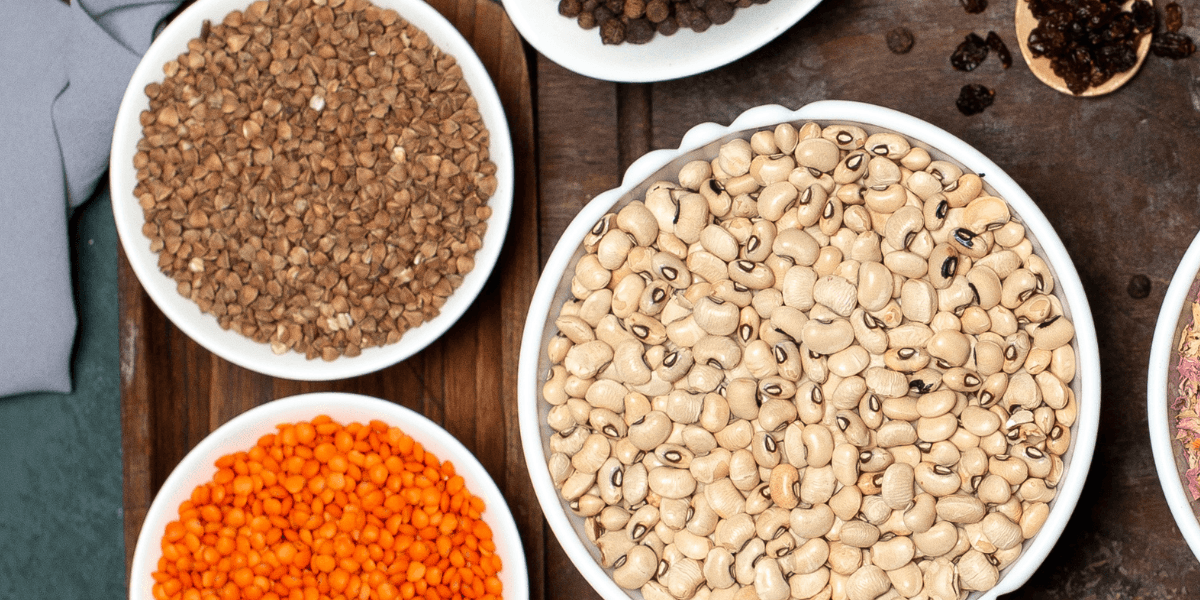
Pulse crops, including lentils, chickpeas, and peas, are an essential component of plant-based nutrition. They provide high-quality protein and are naturally rich in fiber, vitamins, and minerals. The functional food industry is increasingly recognizing pulses as key ingredients for promoting gut health, weight management, and sustained energy.
Pulses are excellent sources of slow-digesting carbohydrates, which help maintain steady blood sugar levels. When processed into flours or powders, they can replace traditional grains or protein sources in baked goods, snacks, and beverages. Incorporating pulses with healthy food ingredients ensures a balance of protein, fiber, and micronutrients.
To maintain the highest quality, pulses undergo careful cleaning and sorting. Turning to a reliable bean-washing company in the USA, like us, ensures that pulses are free of contaminants and ready for functional food production. This step is critical for food manufacturers focused on clean-label products and consistent ingredient performance.
Contact American Harvest Group to source premium hemp and pulse ingredients. Ensure consistent quality, clean-label standards, and reliable supply for your functional food products.
Pulse-derived plant protein powder has gained popularity as a hypoallergenic alternative for consumers seeking non-dairy protein sources. Chickpeas and peas are often used in protein bars, shakes, and meat alternatives. Their mild flavor allows for flexible formulations, while their nutritional content supports muscle maintenance and overall health.
Pulses support sustainable agriculture by fixing nitrogen in the soil, reducing the need for synthetic fertilizers. This environmental benefit aligns with the growing consumer interest in eco-friendly products. Using pulses responsibly demonstrates a commitment to health and sustainability in functional food markets.
Hemp and pulse crops complement each other in functional food formulations. Hemp provides a complete amino acid profile and beneficial fats, while pulses offer high fiber content and additional protein. Combining these ingredients can create balanced, nutrient-dense products that cater to plant-forward diets. Manufacturers benefit from the flexibility, as these crops can be integrated into bars, snacks, cereals, and beverages, enhancing both taste and nutritional value.
By mixing protein powder derived from pulses with hemp protein, food developers can create products rich in essential nutrients while maintaining a natural, wholesome appeal. Combining these ingredients meets consumer interest in functional foods that promote wellness while also supporting sustainable agricultural practices.
The functional food market is expected to continue growing, with consumers seeking high-protein, plant-based solutions. Hemp and pulse crops are likely to expand their presence as staple ingredients due to their nutritional benefits, versatility, and environmental advantages. As research continues, new processing techniques may enhance protein extraction, flavor, and bioavailability, enabling more innovative food products.
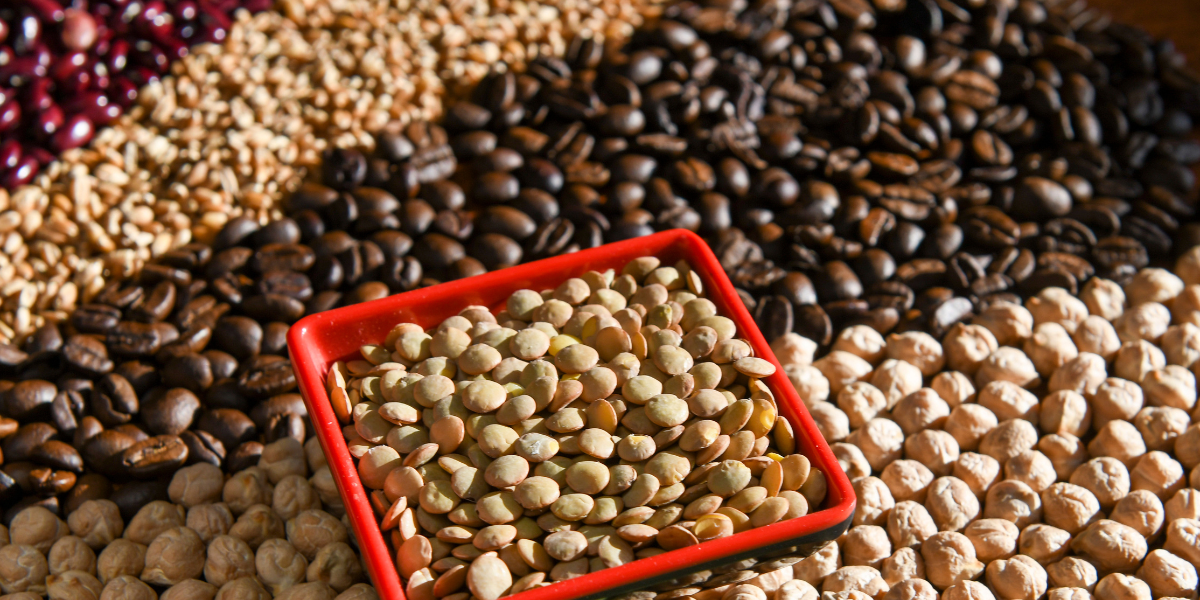
Global trends indicate that consumer interest in clean-label, sustainable, and nutrient-rich foods will drive demand for both hemp and pulses. Food brands investing in these ingredients now will be well-positioned to meet the expectations of a health-conscious market and contribute positively to agricultural sustainability. Advances in crop breeding, processing efficiency, and functional food applications are expected to unlock further opportunities for product development in the upcoming years.
Hemp and pulse crops are transforming the functional food landscape, offering versatile, nutrient-dense, and sustainable options for modern diets. Hemp protein supports digestive health and muscle recovery, while pulses provide high-quality plant-based protein and fiber. Integrating these crops into functional foods ensures a strong nutritional profile and aligns with growing consumer demand for eco-conscious, wellness-focused products.
Consumers now have a clear idea about what works best for their wellness routines. Their place in functional food markets will only strengthen as people continue to seek simple, effective, healthy food ingredients that support long-term health goals.

Divyaa Dharga is a contributor at American Harvest Group, specializing in industrial hemp, sustainable agriculture, and emerging biomaterials. With a strong interest in regenerative farming practices and the evolving global hemp economy, she creates research-driven content that helps readers understand cultivation methods, supply chain developments, and innovative applications of hemp-based products. Through in-depth articles and industry insights, Divyaa Dharga supports American Harvest Group’s mission to promote environmentally responsible and economically viable hemp solutions.
