
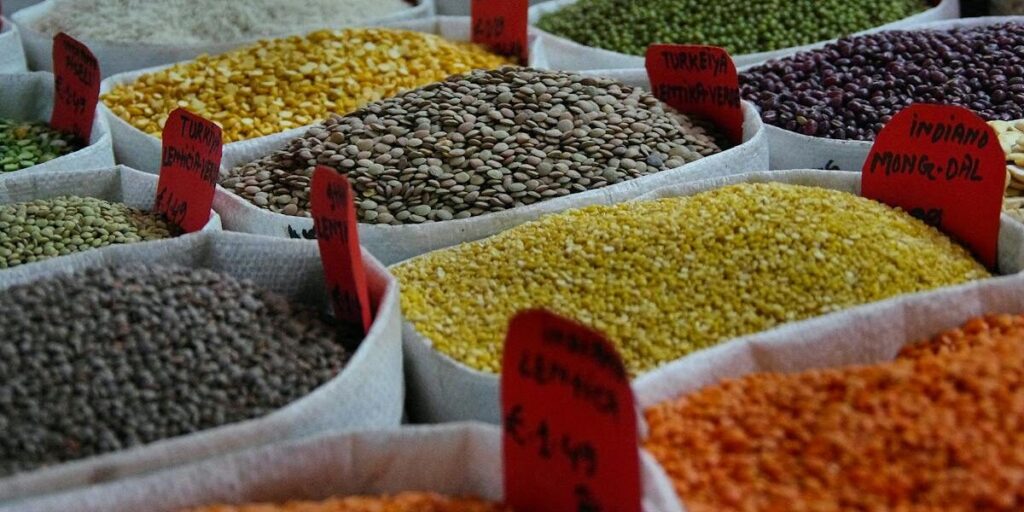
Pulse ingredients have become a key part of modern food manufacturing across the United States. Chickpea flour, pea protein, lentil starch, and bean-based ingredients are now common in snacks, bakery goods, ready meals, and plant-based products. As demand grows, buyers are placing greater focus on the quality consistency in pulse ingredients because even small changes in texture, color, moisture, or protein levels can affect finished products.
For procurement teams, quality is not only about getting a clean shipment. It is about receiving dependable ingredient performance every time. That requires smart sourcing, clear standards, and steady supplier relationships.
Manufacturers need ingredients that behave the same way in every batch. If pulse flour absorbs more water than expected, the dough texture can change. If protein levels vary, nutrition labels may need adjustment. If color shifts, the final product may not meet shelf expectations.
This is why many buyers now judge suppliers on repeatability, not only price. A cheaper load can become costly if it creates production delays, reformulation work, or customer complaints.
Research has shown that pulse crops naturally vary in protein content, functionality, and composition depending on crop type, variety, and processing methods. That means buyers need stronger controls when purchasing pulse ingredients.
Weather, soil conditions, harvest timing, and farming practices all influence crop quality. One season may produce larger seeds with stronger color, while another may create higher moisture or lower protein content.
This natural variation is one of the most common pulse sourcing challenges faced by buyers managing long-term production schedules.
Even strong raw material crops can lose value if milling, cleaning, sorting, or storage standards differ. Poor dehulling, uneven particle size, or contamination during handling can reduce performance in food applications.
Pulse ingredients are sensitive to moisture, pests, and temperature swings. If warehouses or shipping containers are not controlled properly, quality can decline before the product reaches the plant.
Strong packaging helps preserve freshness during storage and transit. Durable bags, sealed liners, and clear labeling reduce contamination risks and handling errors. Buyers should confirm packaging materials, pallet stability, and lot coding so ingredients arrive ready for efficient warehouse intake.
Some purchasing agreements rely on broad descriptions instead of measurable standards. Terms such as premium grade or food grade do not always define moisture range, defect tolerance, particle size, or microbiological limits.
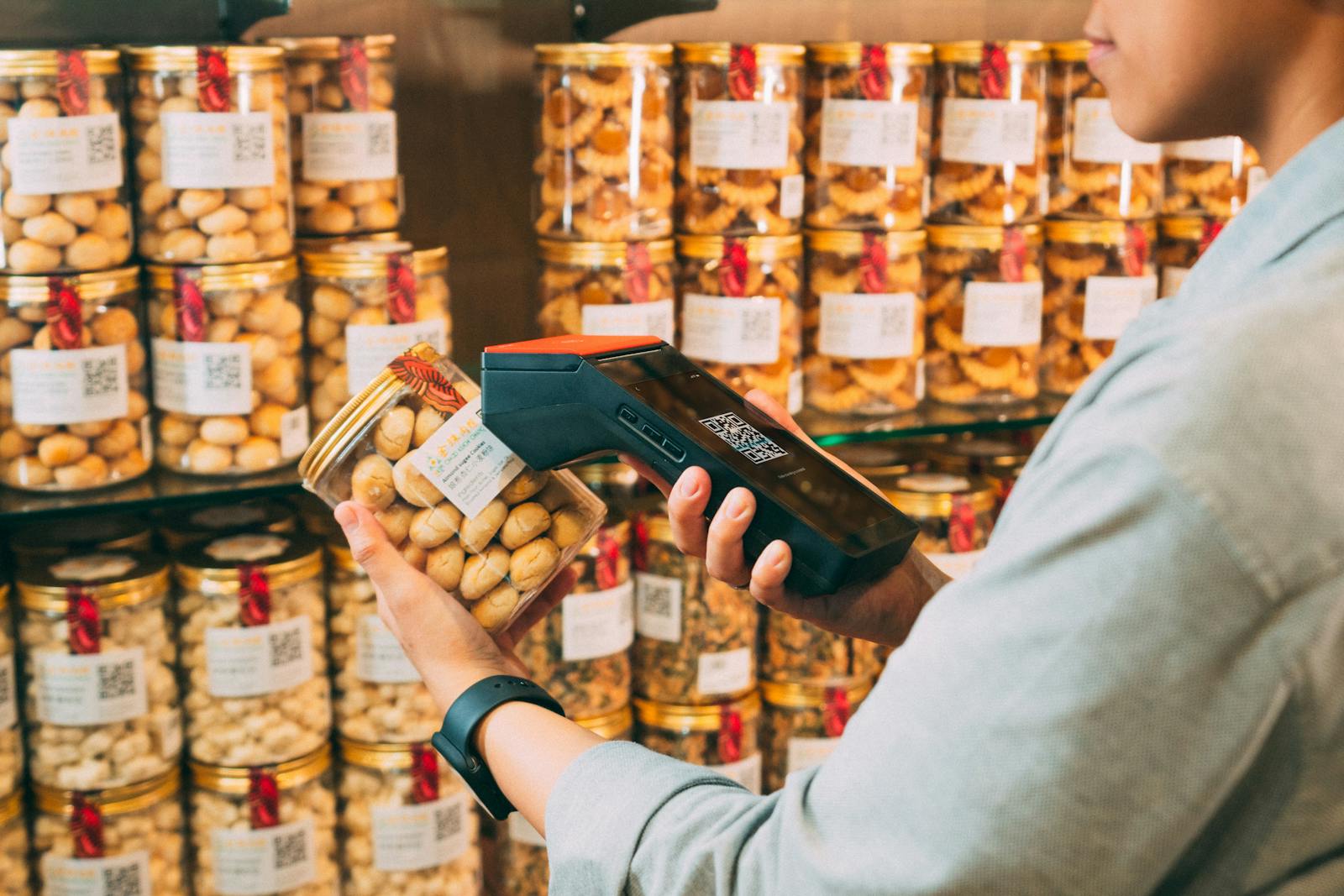
Reliable procurement starts with clear technical specifications. Buyers often request:
Strong food ingredient quality control systems turn these points into repeatable checks before goods enter production.
Not all suppliers manage quality at the same level. Strong partners invest in field sourcing, crop grading, lab testing, traceability, and stable logistics. Buyers working with experienced bulk pulses suppliers often gain better lot consistency because these companies handle larger programs with established systems.
When reviewing suppliers, ask:
Instead of approving one sample and expecting identical results all year, buyers can review several lots across seasons. This gives a more realistic view of supplier performance.
Independent lab testing before dispatch helps confirm compliance with agreed standards. This can reduce rejected loads and costly surprises.
Track on-time delivery, spec compliance, complaint rates, responsiveness, and documentation accuracy. Scorecards turn supplier management into a measurable process.
Many buyers now use purchasing data to identify recurring issues such as moisture drift, delayed shipments, or seasonal spec changes. Reviewing trends across multiple orders helps teams act early, negotiate better terms, and reduce production interruptions before they become larger commercial problems.
Critical ingredients such as chickpea flour or pea protein may need safety stock during seasonal transitions or freight disruptions.
Pulse quality assurance should cover the full chain, not only incoming inspection. It should include farm sourcing, cleaning, storage, packaging, transport, and post-delivery review.
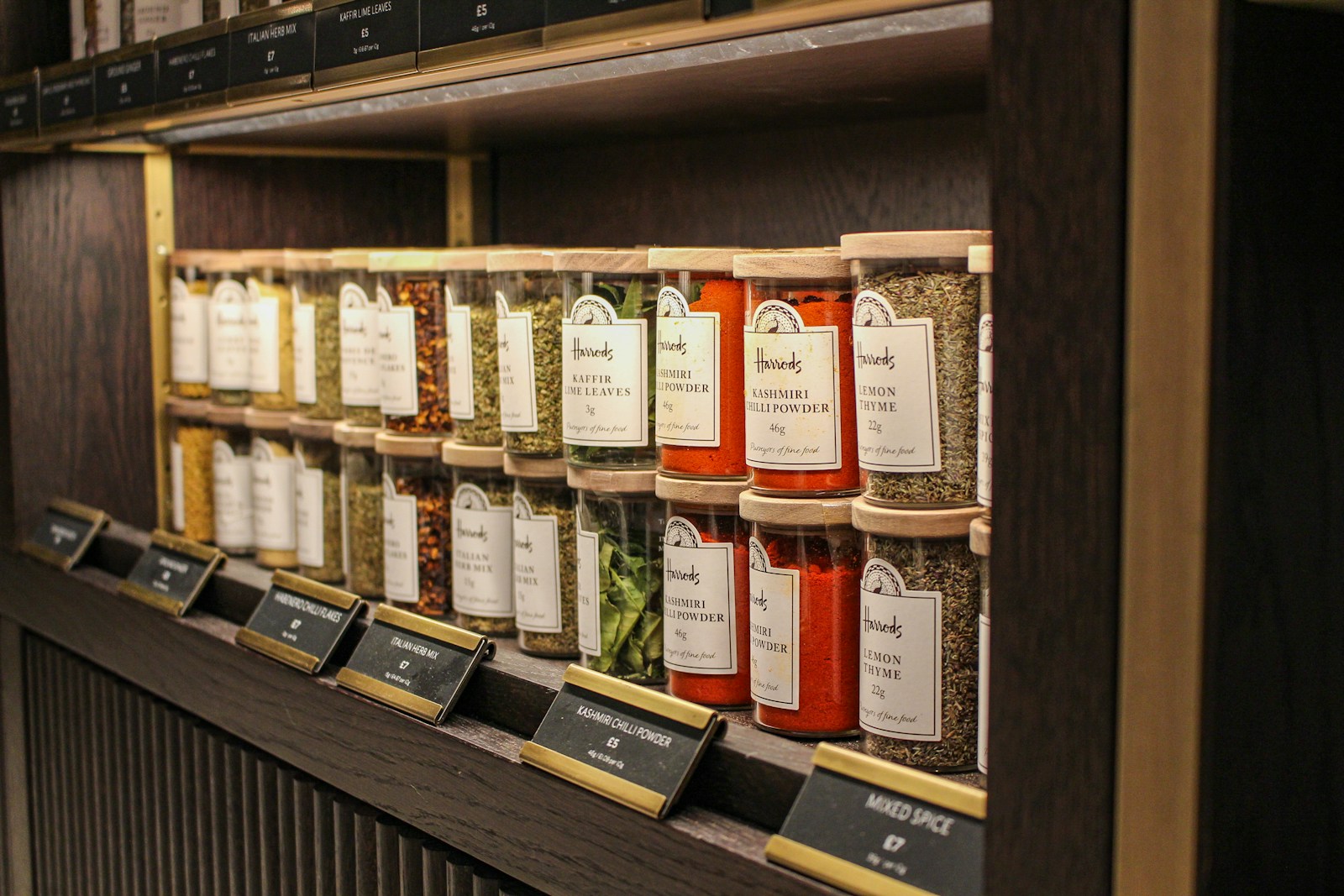
Food brands increasingly want to know where ingredients came from and how they were handled. Traceability supports recalls, sustainability claims, and customer confidence.
Modern pulse supply chains can document:
Spot purchases can help during shortages, but constant price-led switching often increases risk for food manufacturers. Each new supplier may bring different crop characteristics, paperwork systems, packaging methods, and operating standards that disrupt production flow. Long-term partnerships usually create better results through shared forecasting, crop planning, agreed specs, stronger communication, and faster problem-solving. Buyers also gain better visibility into supply trends. Consistency improves when both sides plan together over time.
Businesses looking for a trusted bulk chickpeas exporter in the USA can partner with American Harvest Group for dependable supply, consistent quality, and responsive service that supports long-term growth.
Demand for plant-based foods and clean-label products continues to grow. That means more companies will depend on pulse ingredients in the years ahead. Buyers who treat quality as a strategic priority will be better placed to protect margins and maintain customer trust. The strongest procurement programs combine supplier relationships, data review, testing discipline, and realistic specifications.
For dependable pulse sourcing backed by industry knowledge, American Harvest Group supports buyers who need stable quality and responsive service. Companies seeking a trusted small retail packaging company in the USA can connect with American Harvest Group for supply solutions built around consistency, transparency, and long-term value!

Divyaa Dharga is a contributor at American Harvest Group, specializing in industrial hemp, sustainable agriculture, and emerging biomaterials. With a strong interest in regenerative farming practices and the evolving global hemp economy, she creates research-driven content that helps readers understand cultivation methods, supply chain developments, and innovative applications of hemp-based products. Through in-depth articles and industry insights, Divyaa Dharga supports American Harvest Group’s mission to promote environmentally responsible and economically viable hemp solutions.
