
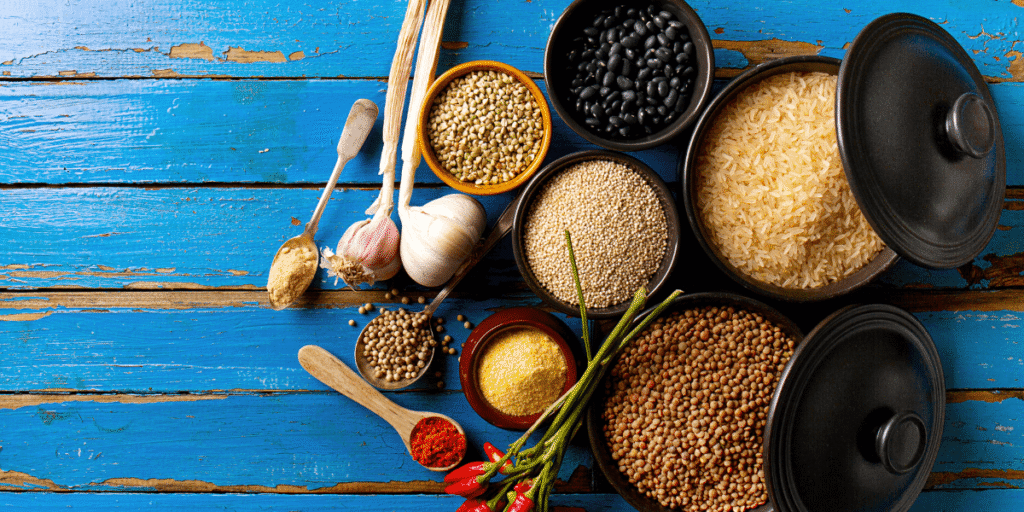
Agriculture is more than just growing food. It connects the soil beneath a farmer’s feet to dining tables and supplement shelves across the world. Two crops at the heart of this global story are flaxseed and pulses, both of which have become among the most in-demand agricultural commodities in modern trade. Every step these crops take, from a freshly harvested field to a container ship bound for overseas markets, involves layers of processing, quality control, logistics, and market strategy.
Understanding this journey helps buyers, producers, and investors make smarter decisions. This blog breaks down the full value chain of both crops and explains what makes them so commercially significant today.
A value chain encompasses all activities involved in bringing a product from production to final consumption. This includes farming, harvesting, processing, packaging, logistics, and distribution. For flaxseed and pulses, each stage adds economic value and involves multiple stakeholders, including farmers, processors, traders, and retailers. The efficiency of this chain directly affects price, quality, and availability in the global market.
The flaxseed supply chain is one of the more complex networks in specialty crop trade. Flaxseed, also known as linseed, has seen a remarkable surge in consumer interest over the past decade. Rich in omega-3 fatty acids, dietary fiber, and lignans, it has found its way into health food products, nutraceuticals, and industrial applications. The path from a field of blue-flowering flax plants to a finished product is far more involved than most people realize.
Flax is primarily cultivated in Canada, Kazakhstan, Russia, and parts of the United States. It thrives in cool, temperate climates with moderate rainfall. Harvest timing is critical because flax seeds can shatter and fall from the plant if left too long, resulting in significant yield losses.
Regenerative farming practices, including crop rotation and reduced tillage, have become increasingly important in producing high-quality seed while preserving soil integrity for future seasons.
Once harvested, flaxseed must be properly cleaned, dried, and stored. Moisture content is a critical variable since seeds stored with excess moisture can develop mold and spoil entire batches. Cold storage and climate-controlled warehouses help ensure that the seed’s nutritional properties remain intact throughout storage.
Processing is where much of the economic value is added. Flaxseeds can be cold-pressed to produce oil or ground into meal, both of which are widely used in food manufacturing and animal feed. The cold-pressing method preserves the omega-3 content, making the oil highly desirable for health-conscious consumers.
The demand for organic flaxseed in bulk has grown steadily as food manufacturers and supplement brands seek certified inputs. This has pushed many processing operations to pursue organic certification, which requires documented traceability back to the farm level.
The flaxseed export market is highly competitive and increasingly quality-driven. Buyers in Europe, North America, and Asia expect comprehensive testing for pesticide residues, heavy metals, and microbial contamination. Processors and exporters with robust quality management systems consistently command premium pricing and long-term buyer relationships.
Moving flaxseed across borders involves navigating export documentation, phytosanitary requirements, and customs procedures. Most products move in containers or bulk vessels through major ports in Canada and Kazakhstan. Freight volatility, port congestion, and currency fluctuations are variables that exporters must manage actively and strategically to stay competitive.

A common topic of discussion in the health food space is flaxseed vs. chia seeds. Both are plant-based sources of omega-3s and dietary fiber, but they differ significantly in cost, scale, and market positioning. The table below breaks down the key differences at a glance.
Feature | Flaxseed | Chia Seeds |
| Primary Omega-3 Source | ALA (Alpha-Linolenic Acid) | ALA (Alpha-Linolenic Acid) |
| Cost for Bulk Manufacturing | More cost-effective | Higher cost per unit |
| Global Production Base | Wider, longer established | Narrower, newer production |
| Retail Consumer Profile | Moderate | High |
| Supply Chain Presence | Strong in ingredient supply chains | Growing but less established |
| Best Use Case | Food manufacturing, supplements, animal feed | Retail health food products |
For food brands sourcing omega-3 ingredients at volume, flaxseed is often the more economically viable and supply-stable choice. Chia seeds hold a strong retail profile, but flaxseed has a deeper foothold in large-scale ingredient procurement due to its longer cultivation history and wider production base.
Pulses, including lentils, chickpeas, dry peas, and various bean varieties, represent one of the most nutritionally complete food categories available. They are central to food security strategies worldwide and are increasingly positioned as sustainable protein sources for growing populations. The pulses production process is multi-staged, requiring precision at every step.
The process begins with seed selection and planting. Pulses are nitrogen-fixing legumes that naturally replenish soil nitrogen levels, making them ideal for crop rotation systems. This reduces reliance on synthetic fertilizers and supports more sustainable farming overall. Major pulse-producing regions include India, Canada, Australia, and the United States.
After harvest, pulses go through cleaning and grading to remove foreign material and separate defective seeds. Optical sorting technology has transformed this stage, enabling processors to achieve high purity standards with far greater efficiency than manual methods.
Some pulses are sold whole, while others are milled into flour, split into dhal, or processed into protein concentrates. The growing demand for plant-based protein has accelerated investment in pulse milling and fractionation technology across North America.
Key export markets for North American pulses include South Asia, the Middle East, and North Africa, regions where pulses are everyday dietary staples. Trade agreements and phytosanitary standards play a significant role in shaping market access for pulse exporters globally.
American Harvest Group works with thousands of farmers across our network to deliver consistent, traceable specialty crops. Connect with our team today to order private-label beans and lentils in the USA. We offer ingredients built for food businesses that demand quality at wholesale rates!

Sustainability is now a core supply chain requirement, not just a marketing concept. Institutional buyers and food brands are demanding evidence of responsible sourcing, including carbon footprints, water usage data, and soil health metrics.
Regenerative agriculture, which actively improves soil health and biodiversity rather than simply maintaining it, is gaining traction across both flaxseed and pulse production. Farms adopting these practices often see improved long-term yield stability while qualifying for premium pricing programs that reward environmental stewardship.
Building supply chain resilience means diversifying sourcing regions, maintaining inventory buffers, and investing in real-time visibility tools. Companies with vertically integrated operations and strong farmer partnerships consistently deliver greater reliability and quality to their customers.
The value chains of flaxseed and pulses are multi-layered systems that connect dedicated farmers to consumers and industries worldwide. Every stage, from cultivation and post-harvest handling to processing, certification, and export logistics, shapes the quality and value of the final product.
As global demand for plant-based nutrition, sustainable ingredients, and traceable food systems grows, well-managed supply chains for these crops will only become more important for businesses operating at every level of the market.
American Harvest Group brings decades of agribusiness expertise to specialty crop supply chains in the United States. As the best green lentil supplier in Montana, our integrated model can support all types of sourcing strategies at every level!

Divyaa Dharga is a contributor at American Harvest Group, specializing in industrial hemp, sustainable agriculture, and emerging biomaterials. With a strong interest in regenerative farming practices and the evolving global hemp economy, she creates research-driven content that helps readers understand cultivation methods, supply chain developments, and innovative applications of hemp-based products. Through in-depth articles and industry insights, Divyaa Dharga supports American Harvest Group’s mission to promote environmentally responsible and economically viable hemp solutions.
