
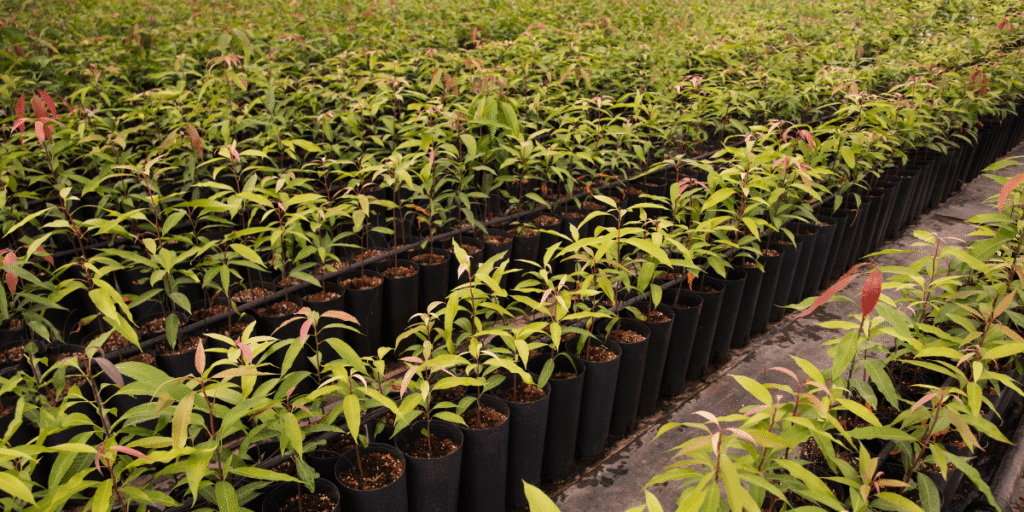
Farm waste has long been treated as an unavoidable cost in agriculture, and hemp cultivation has faced the same challenge. After harvesting, large portions of the plant, such as stalks, leaves, and residual biomass, were often discarded or left unused. That approach is changing as the industry evolves. Hemp is a highly versatile crop, and nearly every part of it holds value when processed correctly.
As industrial hemp farming continues to grow across the US, businesses are recognizing the financial potential hidden in byproducts. By converting leftover plant material into useful products, farmers are not only reducing waste but also creating new revenue streams that strengthen long-term sustainability.
Hemp byproducts include all the materials left after primary processing. These materials consist of stalks, seeds, leaves, flowers, and residual fibers. Each component has unique properties that make it suitable for industrial, agricultural, or commercial use. Despite this potential, these parts were historically underutilized due to limited processing technology and market awareness.
In earlier stages of the hemp industry, the primary focus was on CBD extraction or fiber production. As a result, leftover biomass often accumulates without a clear purpose. Today, research and innovation have shifted this perspective. Studies indicate that the cannabis and hemp industries generate substantial biomass waste annually, with estimates exceeding hundreds of tons. This volume highlights the importance of turning hemp byproducts into valuable resources instead of allowing them to go unused.
Hemp seeds are well-known for their nutritional value. Their high content of protein, healthy fats, and vital micronutrients makes them a popular ingredient in wellness products, ranging from protein shakes to cooking oils and nutritional bars. Cosmetics often incorporate hemp seed oil for its skin-moisturizing benefits.
Beyond food and personal care, seed byproducts like hulls and meal have agricultural value. These materials are commonly used in animal feed because they provide a balanced nutrient profile. As demand for plant-based nutrition grows, hemp seeds continue to gain attention as a sustainable ingredient.
Hemp stalks are one of the most valuable parts of the plant. The outer layer produces strong bast fibers, while the inner core, known as hurd, serves a variety of industrial purposes. These materials are widely used in textiles, paper production, and composite manufacturing. One of the most promising hemp fiber uses is in construction.
Hemp hurd is used to create hempcrete, a lightweight and durable material that offers insulation and carbon storage benefits. In addition, processed fibers are used in automotive components, packaging materials, and eco-friendly alternatives to traditional plastics. The growing demand for hemp building materials reflects a shift toward sustainable construction practices.
Leaves and flowers are primarily associated with cannabinoid extraction. Even after initial processing, residual plant material often contains small amounts of valuable compounds. These can be extracted and used in wellness products, including oils and supplements.
In addition to cannabinoids, hemp plants contain essential oils and bioactive compounds that can be used in nutraceuticals and natural pest control solutions. This makes leaves and flowers an important part of the overall value chain rather than a discarded element.
Residual biomass includes leftover plant material that remains after processing seeds, fibers, and extracts. This material can be used in several ways, including composting and soil enrichment. Compost derived from hemp improves soil structure and nutrient content, which supports future crop growth.
Farmers also use hemp biomass in animal bedding due to its high absorbency. In some cases, processed biomass can serve as livestock feed when it meets regulatory standards. These applications ensure that even the least valuable parts of the plant contribute to the agricultural ecosystem.
One of the most straightforward approaches involves selling raw byproducts to specialized processors. These companies convert hemp materials into finished goods such as textiles, construction materials, and bio-based plastics. This allows farmers to generate income without investing in additional infrastructure.
Some producers choose to process hemp byproducts themselves. By creating value-added products like oils, fibers, or building materials, they retain a larger share of the profit. This approach requires investment in equipment and expertise, yet it can significantly increase returns over time.
Collaboration plays an important role in maximizing the value of hemp. Farmers and producers often work with manufacturers, research institutions, and sustainability-focused companies to develop new applications. These partnerships help create a more integrated supply chain while supporting innovation. Choose American Harvest Group, the best specialty crop supplier in North Dakota, to strengthen sourcing networks and improve the efficiency of byproduct utilization.
Hemp byproducts are gaining traction in industries such as construction, automotive, and packaging. By targeting these sectors, producers can tap into high-demand markets that prioritize sustainability. This shift also reduces reliance on a single revenue stream, improving financial stability.
Hemp biomass can be converted into biofuels, pellets, and other energy sources. This also reduces waste disposal costs. Energy production from agricultural residue aligns with sustainability goals and contributes to a circular economy.
By integrating these strategies, farmers can transform low-value waste into high-value products. This approach strengthens profitability and supports the long-term growth of industrial hemp farming. The ongoing expansion of the market means that capitalizing on byproducts will remain a cornerstone of success in the hemp sector.
Using hemp byproducts reduces agricultural waste and lowers the environmental impact of farming. Hemp requires fewer chemical inputs compared to many other crops, and its byproducts can replace non-renewable materials in several industries. These factors contribute to improved soil health and reduced carbon emissions.
Turning waste into usable products creates new revenue streams for farmers and processors. By reducing disposal costs and increasing product diversity, businesses can improve their financial resilience. The demand for sustainable materials also opens doors to new markets and long-term growth opportunities.
The expansion of hemp-based industries supports job creation and strengthens local economies. Communities benefit from increased agricultural activity and the development of processing facilities. This contributes to a more stable and inclusive economic environment.
Hemp byproducts are changing the way the agricultural industry views waste. Once considered waste, these materials are now seen as valuable assets that can drive profit and promote sustainability. As the demand for eco-friendly materials continues to rise, hemp offers a practical solution that benefits both the environment and the economy. By focusing on innovation, collaboration, and responsible resource use, the industry can create lasting value. Hemp is not just a crop; it is a pathway to more efficient and profitable agricultural systems where nothing goes to waste.
To overcome these challenges, businesses must adopt strategic planning and build reliable partnerships. If you are looking for a green lentil supplier in Montana, American Harvest Group maintains strong supply chain relationships and ensures consistent product quality. Our services can help address your operational challenges while supporting sustainable growth.

Divyaa Dharga is a contributor at American Harvest Group, specializing in industrial hemp, sustainable agriculture, and emerging biomaterials. With a strong interest in regenerative farming practices and the evolving global hemp economy, she creates research-driven content that helps readers understand cultivation methods, supply chain developments, and innovative applications of hemp-based products. Through in-depth articles and industry insights, Divyaa Dharga supports American Harvest Group’s mission to promote environmentally responsible and economically viable hemp solutions.
