
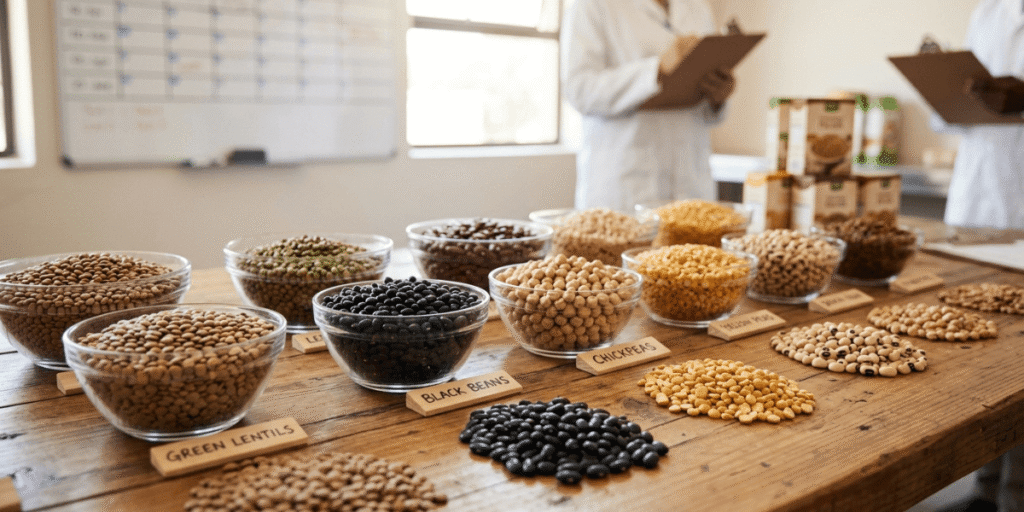
Pulse crops play an increasingly important role in food manufacturing across the United States. Lentils, peas, chickpeas, and beans are widely used in packaged foods, snacks, soups, frozen meals, plant-based products, and ingredient blends. While demand for these ingredients continues throughout the year, crop production follows seasonal patterns that can directly affect pricing, inventory levels, and procurement decisions.
Understanding harvest timing and supply cycles allows manufacturers to make better purchasing decisions and reduce the risk of unexpected shortages. A well-planned sourcing strategy helps maintain production consistency while supporting cost control and long-term supply stability.
Food manufacturers often focus on quality, pricing, and logistics when purchasing ingredients. However, seasonality is equally important because agricultural production follows predictable growing and harvest cycles.
The availability of seasonal pulse crop supplies can influence inventory levels, transportation demand, market pricing, and supplier capacity. Companies that understand these patterns are often better prepared to secure ingredients before market pressures increase. Seasonal planning also helps manufacturers align procurement schedules with production forecasts and customer demand.
Pulse crops are grown in different regions around the world, which creates opportunities for year-round sourcing. However, each producing region has specific planting and harvest periods that influence market availability. Major pulse-producing countries include:
Because harvest seasons vary across these regions, global supply remains active throughout much of the year. Even so, market conditions often shift as new harvests enter distribution channels.
While exact harvest timing can vary by weather conditions and growing regions, food manufacturers can use a broad seasonal calendar as a planning tool.
During spring, many suppliers continue distributing inventory from previous harvests. This period often focuses on inventory management and crop development in key growing regions. Manufacturers typically monitor:
This period includes the primary lentil harvest season in major North American growing regions, particularly in the northern United States and Canada. New crop supplies begin entering the market, creating opportunities for manufacturers to evaluate inventory needs and negotiate purchasing agreements. Fresh harvest availability can improve supply visibility and provide greater confidence for long-term planning.
As harvested crops move through cleaning, grading, packaging, and distribution channels, supply volumes generally increase. Many food manufacturers secure inventory during this period to support production schedules for the following year. Winter planning often focuses on balancing storage capacity, procurement budgets, and projected demand.
The pulse market is increasingly interconnected. When one region experiences lower yields, other producing countries may help offset supply challenges.
The global pulse harvest calendar provides important insights into how production cycles overlap across multiple regions. These overlapping harvest periods help support a continuous market supply and reduce dependency on a single growing area. Manufacturers that monitor international crop developments can often identify opportunities before market conditions change significantly.
Harvest dates provide valuable guidance, but several additional factors influence ingredient availability.
Drought, excessive rainfall, heat stress, and early frost events can affect crop quality and yield. Weather remains one of the most significant variables in agricultural production.
Even strong harvests can face distribution challenges if transportation systems become congested. Rail availability, trucking capacity, and port activity all influence product movement.
After harvest, pulse crops must be cleaned, sorted, graded, and packaged before reaching food manufacturers. Processing capacity can affect how quickly newly harvested crops become available.
Successful manufacturers often take a proactive approach to ingredient purchasing rather than reacting to market changes. Key strategies include:
Inventory planning is one of the most effective tools for managing seasonal fluctuations. Companies that understand harvest cycles can build inventory during periods of stronger supply and avoid unnecessary purchasing pressure during tighter market conditions. Storage planning should consider:
Strong supplier partnerships become especially valuable during periods of market volatility. Suppliers often have access to crop insights, inventory data, and logistics information that can help manufacturers make informed purchasing decisions.
Consistent communication improves forecasting accuracy and supports better coordination between procurement and production teams. Long-term partnerships also help reduce uncertainty during periods of changing market conditions.
Many food manufacturers benefit from sourcing ingredients through American Harvest Group, a trusted specialty crop supplier in North Dakota. North Dakota remains one of the leading pulse-producing regions in the United States, providing access to high-quality lentils, peas, and other specialty crops. This strong agricultural base helps support consistent availability, dependable quality standards, and reliable sourcing solutions for food manufacturers throughout the year.
Reliable regional suppliers can offer stronger supply visibility, quality assurance, and logistics support throughout the procurement process.
Pea ingredients have become a key part of modern food production, especially for manufacturers aiming to balance nutrition, cost control, and product versatility. Green and yellow peas are widely used in soups, plant-based proteins, snacks, and frozen meals because they offer consistent performance across different applications.
Working with a reliable supplier that provides both varieties helps food brands maintain steady production schedules while adapting to changing demand. It also supports smoother procurement planning, reduces sourcing gaps, and improves coordination across transportation and inventory systems.
The sourcing of seasonal food ingredient supplies requires more than tracking harvest dates. Food manufacturers must consider inventory management, supplier relationships, logistics planning, and market conditions throughout the year.
Companies that take a long-term approach to procurement are often better positioned to manage pricing fluctuations, maintain production schedules, and secure dependable ingredient supplies. Understanding seasonal patterns creates opportunities to make smarter purchasing decisions while reducing supply chain risk.
Seasonal availability plays a major role in pulse ingredient sourcing, influencing inventory planning, pricing, and overall supply reliability. Manufacturers that understand harvest cycles and maintain strong supplier relationships are often better prepared to navigate changing market conditions and support consistent production throughout the year.
If you are looking for a dependable green peas and yellow peas supplier in the USA, contact American Harvest Group today for reliable supply solutions!

Divyaa Dharga is a contributor at American Harvest Group, specializing in industrial hemp, sustainable agriculture, and emerging biomaterials. With a strong interest in regenerative farming practices and the evolving global hemp economy, she creates research-driven content that helps readers understand cultivation methods, supply chain developments, and innovative applications of hemp-based products. Through in-depth articles and industry insights, Divyaa Dharga supports American Harvest Group’s mission to promote environmentally responsible and economically viable hemp solutions.
