
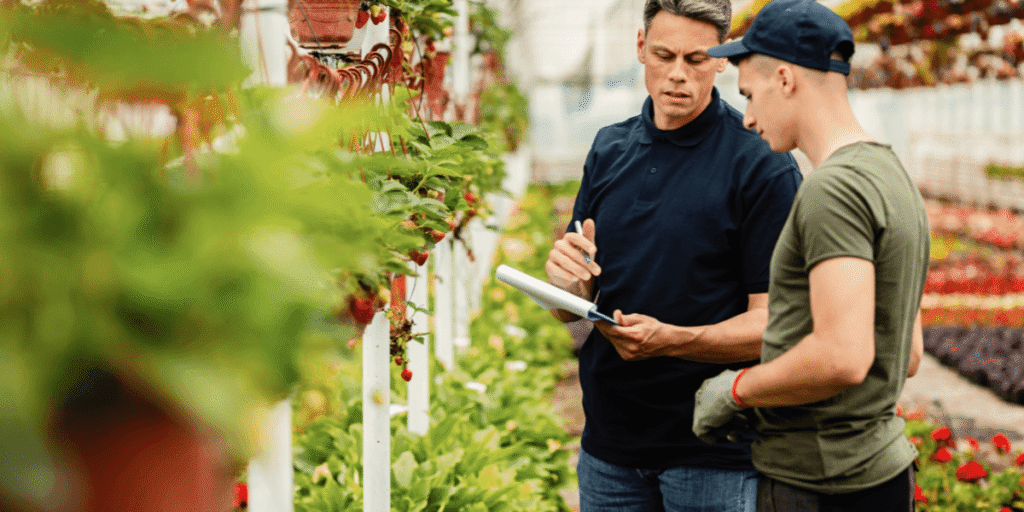
The pandemic reshaped global agriculture and exposed weak points across logistics, labor availability, storage systems, and transportation networks. Food manufacturers in the United States experienced delays, sudden cost changes, and unpredictable supply conditions. These challenges highlighted the need for stronger systems that can withstand disruption and recover quickly, reinforcing the importance of agricultural supply chain resilience in modern food systems.
Building resilience in agriculture now requires more than basic planning. It demands coordination, transparency, and stronger partnerships across every stage of the supply chain.
The pandemic created widespread instability across farming, processing, and distribution networks. Transportation delays slowed deliveries, labor shortages reduced processing capacity, and shifting demand patterns disrupted forecasting models.
This period became a clear example of food supply chain disruption in the USA, where multiple weaknesses appeared at the same time. Companies that relied on limited sourcing options faced the most pressure. An important lesson from this stage was that having clear visibility throughout the entire supply chain is crucial. Without it, delays and shortages become harder to manage.
Many companies began prioritizing domestic food sourcing in the USA to reduce exposure to global shipping delays and international instability. Local sourcing allows faster response times and more predictable coordination between growers, processors, and manufacturers.
It does not eliminate risk, but it shortens recovery time during disruptions and improves planning accuracy.
Stronger regional networks allow better communication and quicker decision-making. When farms and processors operate closer together, transportation challenges have less impact on final delivery timelines.
Modern supply chains rely heavily on data tools that track inventory, shipments, and storage conditions. These systems help reduce uncertainty and improve forecasting accuracy.
Today, grain supply chain technology includes real-time monitoring tools, predictive analytics, and automated logistics platforms that connect all parts of the supply network.
Automation helps reduce dependence on manual labor and increases efficiency in sorting, packaging, and warehousing. This improves consistency during labor shortages and peak demand periods.
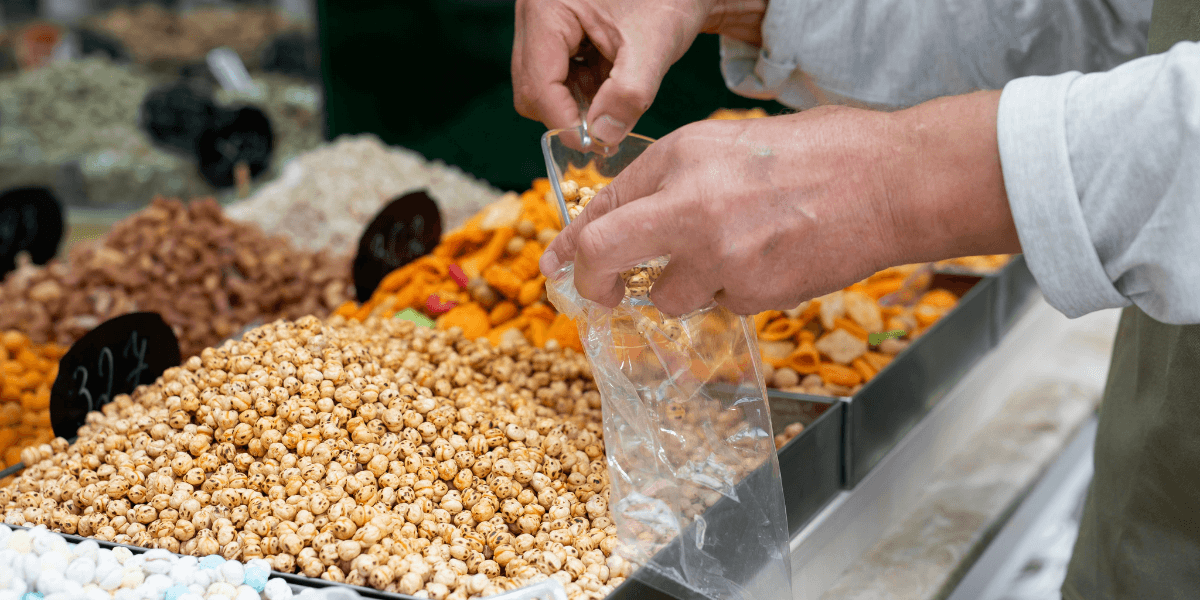
Ingredient quality begins long before processing. Cleaning and preparation steps play a major role in ensuring consistency and safety in food production. Working with American Harvest Group, a bean washing company in the USA, supports stronger raw material preparation by removing impurities, improving cleanliness standards, and reducing production issues downstream. This step helps manufacturers maintain consistent output and reduce quality risks across batches.
Short-term sourcing may offer flexibility, but long-term supplier relationships provide stability. Consistent communication between buyers and suppliers improves forecasting and reduces last-minute shortages.
Strong partnerships also make it easier to manage unexpected changes in crop availability or transportation conditions.
When suppliers and buyers exchange forecasts and production expectations, planning becomes more accurate. This reduces uncertainty and helps align supply with demand more effectively.
Packaging plays a direct role in protecting agricultural products throughout storage and transportation. Poor packaging can lead to contamination, moisture damage, or product loss.
Using food-grade crop packaging helps maintain product integrity by ensuring crops remain protected during handling, storage, and distribution. It also supports better traceability and reduces waste caused by damaged goods.
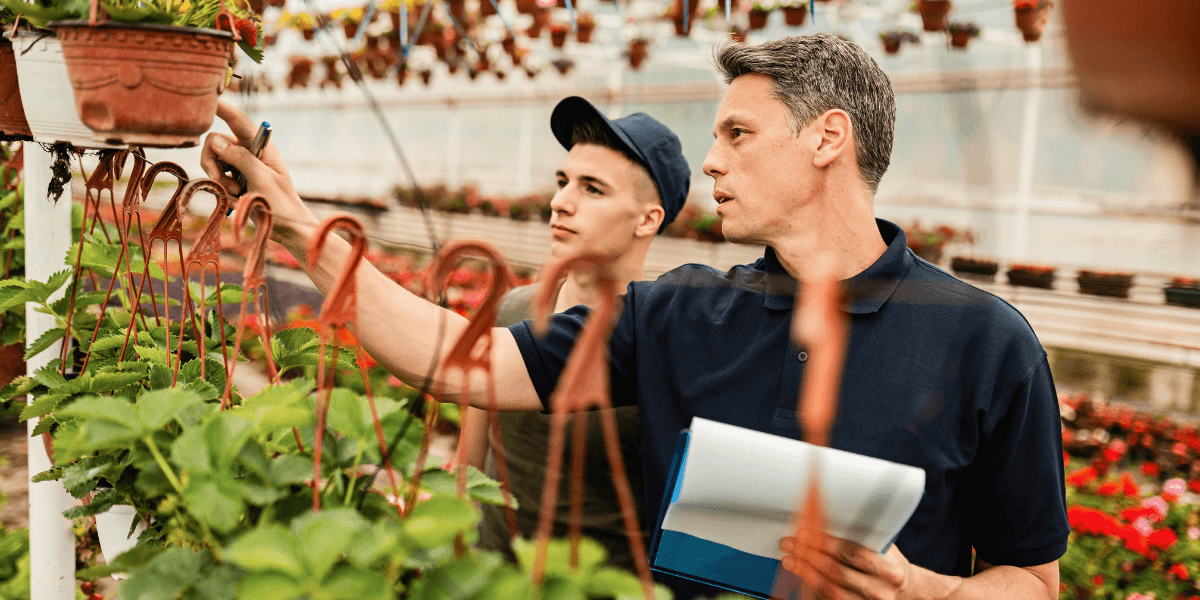
Regional sourcing plays a major role in building resilient agricultural systems. Different growing regions offer stability against weather risks, transportation delays, and market fluctuations. American Harvest Group, a specialty crop supplier in North Dakota, provides access to a strong agricultural region known for consistent production and reliable supply availability. This helps manufacturers diversify sourcing and reduce dependency on a single region.
Over-reliance on one supplier or region increases vulnerability during disruptions. Diversifying sourcing reduces risk and ensures continuity when unexpected events occur.
Secondary suppliers and alternate logistics routes help maintain production flow during emergencies or market disruptions. This flexibility is now a core requirement in modern agricultural planning.
Improved storage facilities and regional distribution centers reduce transportation delays and improve product flow. These systems allow faster response during demand changes.
Stronger processing systems help reduce waste, improve consistency, and maintain quality standards across large production volumes.
Data has become central to modern supply chain planning across agriculture and food manufacturing. Real-time tracking, inventory management systems, and predictive analytics tools help companies make faster and more accurate operational decisions. Improved forecasting reduces uncertainty by aligning production capacity with market demand and seasonal supply patterns. It also supports better coordination across farming, processing, logistics, and distribution networks, helping reduce delays and improve overall supply chain performance consistency.
A strong supply chain today includes:
Agricultural supply chains will continue facing pressure from climate variability, global trade shifts, labor shortages, and transportation constraints that affect timing and cost stability. Companies that build resilience now are better prepared for future uncertainty and operational disruption. Resilience is not about avoiding disruption completely. It is about maintaining a steady supply flow, adapting quickly to changing conditions, and recovering efficiently when challenges arise across farming, processing, and distribution systems.
American Harvest Group supports agricultural buyers and food manufacturers with dependable sourcing, processing coordination, and supply chain solutions designed for long-term stability. Companies can strengthen their operations with American Harvest Group. We offer secure sourcing and food-grade crop packaging in the USA for all types of needs.

Divyaa Dharga is a contributor at American Harvest Group, specializing in industrial hemp, sustainable agriculture, and emerging biomaterials. With a strong interest in regenerative farming practices and the evolving global hemp economy, she creates research-driven content that helps readers understand cultivation methods, supply chain developments, and innovative applications of hemp-based products. Through in-depth articles and industry insights, Divyaa Dharga supports American Harvest Group’s mission to promote environmentally responsible and economically viable hemp solutions.
