
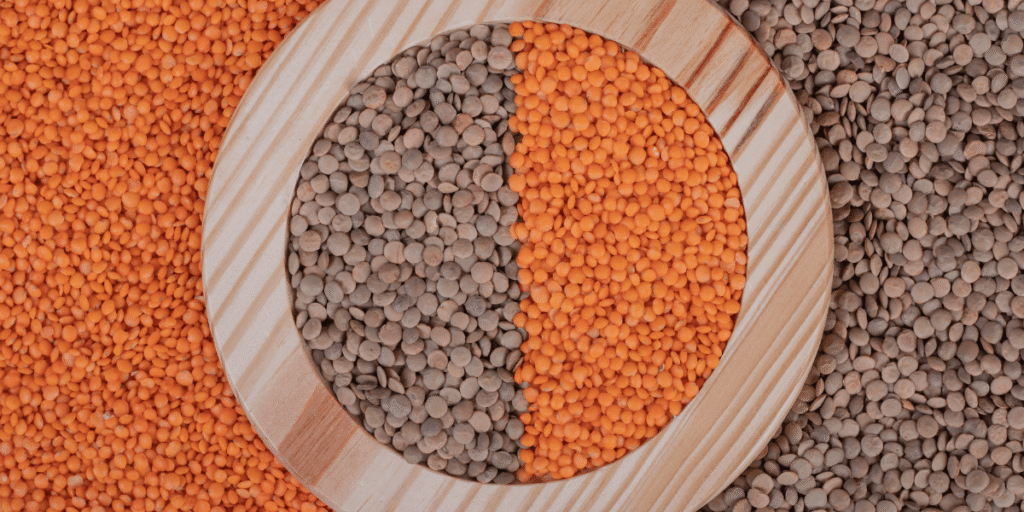
Lentils continue to gain attention across the American food manufacturing industry because they offer affordability, versatility, and strong nutritional value. Food brands now use lentils in soups, frozen meals, snacks, protein blends, bakery applications, and plant-based foods. As product lines become more specialized, manufacturers must choose ingredients that match production goals, texture requirements, and processing efficiency.
Selecting the right lentil variety can directly affect cooking performance, shelf stability, flavor, and customer satisfaction. Understanding the practical differences between red and green lentils helps manufacturers make more informed sourcing and production decisions.
The red lentils vs green lentils debate usually centers around cooking behavior, appearance, texture, and product functionality. While both belong to the pulse family, each performs differently during processing.
Manufacturers often compare green vs red lentils to determine which variety best suits specific food applications. Understanding what’s the difference between red and green lentils helps improve formulation, processing efficiency, and product consistency.
Red lentils are commonly split and hulled before processing. They cook faster and soften quickly during heating. Green lentils generally keep their shape longer and provide a firmer texture after cooking. These differences influence how manufacturers use them across commercial food applications.
Red lentils are widely used in products requiring smooth consistency and fast cooking times. Their ability to break down during heating makes them suitable for:
Their mild flavor profile also blends easily into seasoned recipes.
Green lentils hold their texture more effectively after cooking. This makes them useful for products where visual appeal and bite consistency are important.
Manufacturers commonly use green lentils in:
Their firmer structure helps maintain product appearance throughout packaging and reheating.
Lentils provide protein, dietary fiber, iron, and several nutrients valued in modern food development. Both varieties support clean-label and plant-focused formulations.
Many manufacturers carefully review red lentil protein content when developing protein-forward products such as snacks, protein blends, and meat alternatives. Protein values may vary depending on growing conditions and processing methods, but red lentils remain popular in formulations requiring smooth texture and nutritional support.
Beyond protein levels, many product developers also evaluate the nutritional difference between red and green lentils when selecting ingredients for health-focused and clean-label food products.

Food manufacturers often benefit from working with partners that understand packaging efficiency, inventory handling, and distribution requirements. American Harvest Group, a trusted small retail packaging company in the USA, can help support smoother operations through organized packaging systems and dependable supply management.
Red lentils generally require shorter cooking times compared to green lentils. Faster cooking can reduce energy use and improve production speed in large manufacturing environments. This can be especially useful in high-volume soup, sauce, and puree production where efficiency matters.
Green lentils need more cooking time but provide better structure after processing. Their texture stability makes them valuable for products that must hold shape during freezing, transport, and reheating. Manufacturers often choose green lentils for applications where texture consistency affects customer experience.
Red lentils usually offer a milder flavor and softer finish, which makes them easier to incorporate into seasoned products or blended applications.
Green lentils tend to provide a deeper, earthy flavor and firmer bite. This works well in products where ingredient visibility and texture are important parts of the eating experience. Selecting the right flavor profile helps improve product consistency and market acceptance.
Comparing lentils vs red lentils also helps manufacturers balance flavor, texture, cooking performance, and nutritional goals across different product categories.
Reliable sourcing remains essential for food manufacturers managing production schedules and inventory planning. Lentil quality can vary depending on crop conditions, harvest timing, and supplier standards. Procurement teams should evaluate:
Strong supplier relationships often improve long-term purchasing stability and reduce supply disruptions.
Packaging quality plays a major role in protecting lentils during transport and storage. Moisture exposure, contamination, and handling damage can affect ingredient performance before products even reach the production line.
Manufacturers increasingly prioritize suppliers using dependable food-grade crop packaging systems that support cleaner warehouse handling and stronger inventory protection. Reliable packaging also improves traceability and helps maintain ingredient freshness throughout distribution.
Many food companies also rely on suppliers that provide broader pulse ingredient support across multiple product lines. Working with a dependable pinto bean supplier in the USA, such as American Harvest Group, can improve sourcing flexibility and strengthen long-term procurement planning.
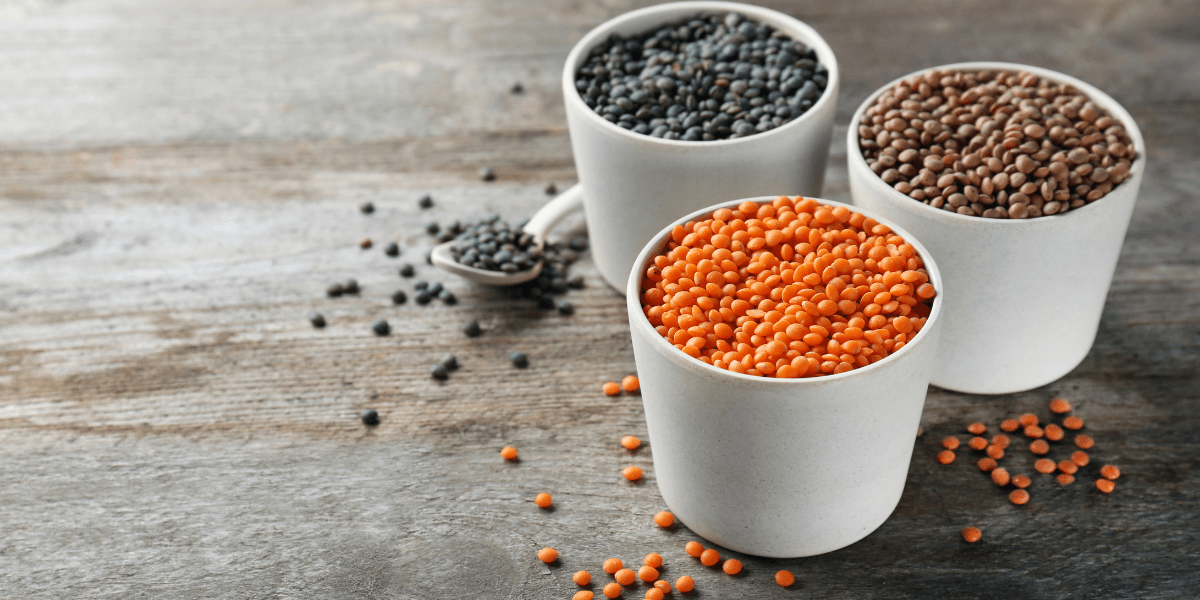
Red lentils often perform best in:
Green lentils are commonly selected for:
Lentils offer a strong balance of affordability, functionality, and nutrition. Their versatility allows manufacturers to use them across several product categories while supporting clean-label and protein-focused trends.
As food brands continue seeking dependable ingredients that support both quality and operational efficiency, lentils are expected to remain important in large-scale manufacturing. Their flexibility across textures, flavor profiles, and nutritional goals gives manufacturers practical advantages in competitive markets.
Reliable food-grade crop packaging in the USA from American Harvest Group offers cleaner handling, better product protection, and improved storage performance throughout the supply chain. Our strong packaging standards also help manufacturers reduce waste and maintain ingredient quality during transport and warehouse storage.
American Harvest Group supports food manufacturers with dependable pulse ingredient sourcing, responsive service, and consistent product standards that help streamline production planning and supply stability. Companies seeking long-term supply support can work with American Harvest Group for lentils, beans, and packaging solutions designed to support efficient food production operations.
Connect today to strengthen sourcing reliability, improve ingredient consistency, and support steady growth across manufacturing needs.

Divyaa Dharga is a contributor at American Harvest Group, specializing in industrial hemp, sustainable agriculture, and emerging biomaterials. With a strong interest in regenerative farming practices and the evolving global hemp economy, she creates research-driven content that helps readers understand cultivation methods, supply chain developments, and innovative applications of hemp-based products. Through in-depth articles and industry insights, Divyaa Dharga supports American Harvest Group’s mission to promote environmentally responsible and economically viable hemp solutions.
