
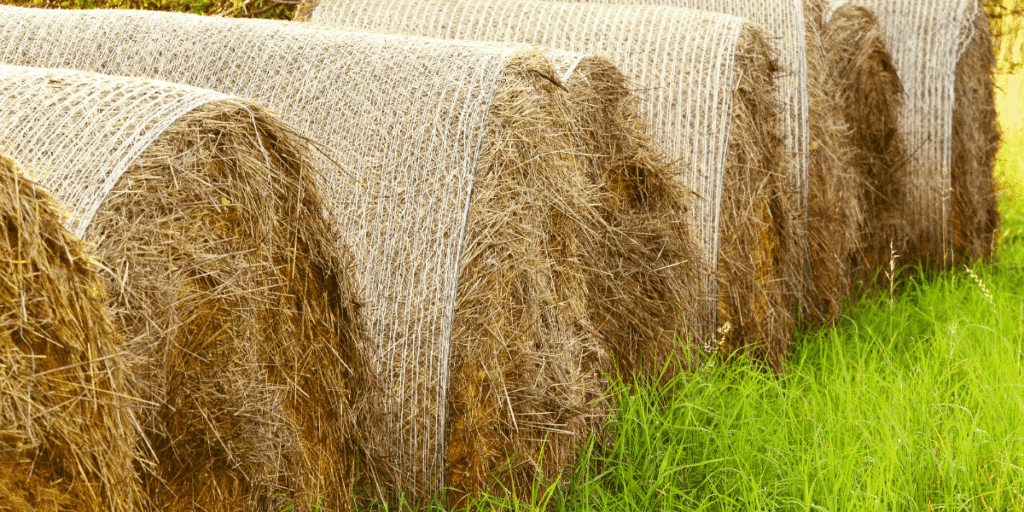
Industrial hemp has served human civilization for thousands of years, yet the process that transforms a raw harvested stalk into a strong, usable fiber is still poorly understood outside of specialist circles. Many people assume that harvesting the plant is most of the work. In reality, what happens after harvest determines the quality of every fiber bundle that reaches a manufacturer.
That critical stage is retting, and it controls how cleanly the fiber separates, how strong it remains, and how well it performs in the end product. For farmers, processors, and buyers who want to compete seriously in the natural fiber market, a solid understanding of retting is not optional; it is foundational.
This process is a controlled biological breakdown. After hemp stalks are harvested, the fibers do not come free on their own. They are bound tightly to the woody interior of the stalk, known as the hurd, by pectin and other cellular tissues. Retting uses the combined action of moisture and naturally occurring bacteria to dissolve those binding compounds, making it possible to separate the valuable bast fibers without damaging them.
Hemp is recognized as one of the earliest bast fiber plants used by human civilization, and retting has been integral to fiber extraction since ancient times. What has changed is our ability to control it precisely, producing consistent, high-quality output at a commercial scale.
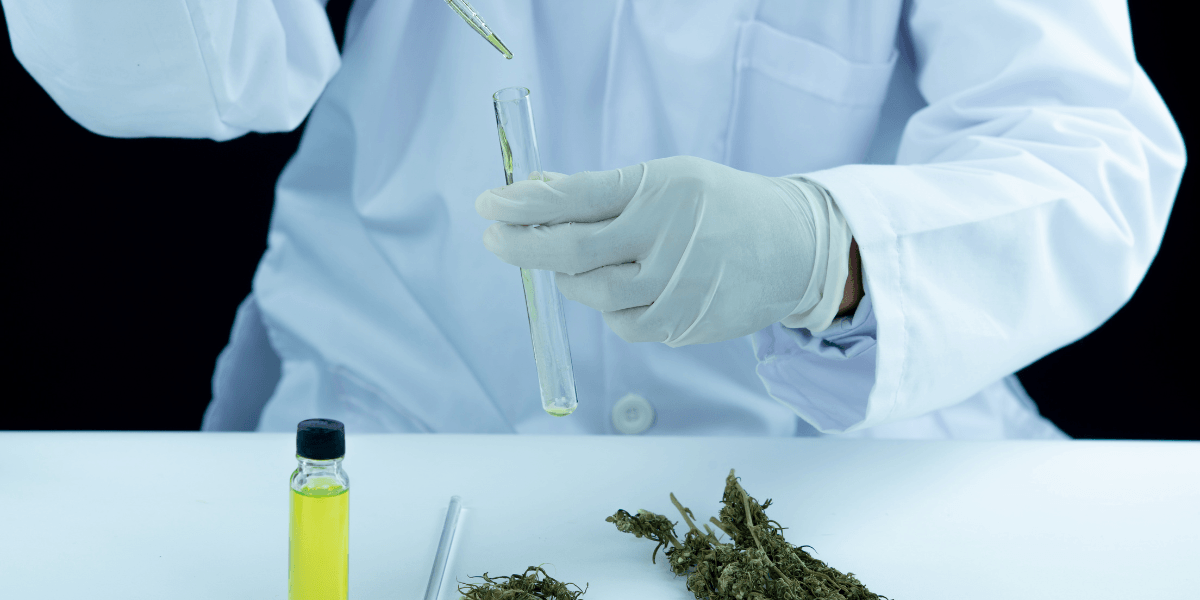
Dew retting is among the most widely used commercial retting methods in modern hemp production. After cutting, farmers spread hemp stalks across the field and allow natural conditions, dew, rainfall, sunlight, and air to drive microbial fermentation. Periodic turning every few days ensures even breakdown. The typical retting window ranges from 14 to 28 days, depending on the climate. Dew retting is cost-effective at scale, though it produces a slightly darker fiber with variable quality.
Water retting submerges bundled stalks, accelerating the microbial process considerably. It often produces cleaner and finer fibers that are preferred for higher-end textile applications. However, it requires more labor, infrastructure, and wastewater management, making it practical only for specialty production.
Tank retting is a controlled version of water retting conducted in concrete vats. It takes roughly four to six days, can run year-round, and can deliver highly uniform fiber quality under controlled conditions. An initial soaking phase helps remove soluble compounds and impurities from the stalk surface, resulting in a cleaner final product.
Enzymatic retting uses targeted enzyme formulations to break down the pectin, binding the fiber to the hurd. It offers precise control, reduces water usage, and significantly shortens processing time. This method is gaining traction as the industry moves toward cleaner, more efficient production systems.
Chemical retting applies alkaline solutions to speed up fiber separation. It works quickly but carries a higher risk of fiber damage if not carefully managed. Chemical retting can accelerate fiber separation but is less commonly used due to environmental concerns and the risk of fiber degradation if poorly controlled.
Once retting is complete, the stalks move into the decortication stage. This mechanical stage breaks, crushes, and separates the retted stalks to isolate long bast fibers from the shorter hurd fibers. Decorticators use rollers and beaters to crush the brittle, woody hurd, which is then removed through scutching, a scraping process that clears away broken shive particles.
The long bast fibers are the primary textile-grade output. Shorter fibers, called tow, are commonly used in paper pulp, nonwoven textiles, insulation, and composite materials. The hurd has commercial value in hempcrete, animal bedding, and insulation. Effective decortication depends heavily on how well retting was managed; er-retted stalks resist separation, and over-retted material yields brittle fibers that fail quality standards.
Hemp fiber tensile strength is one of the most critical performance metrics for manufacturers working with natural fiber composites and technical textiles. Tensile strength measures how much force a fiber can withstand before breaking, and retting quality has a direct impact on that figure.
Controlled retting methods, such as water or enzymatic retting, often produce fibers with more consistent tensile properties than dew-retted material, because the pectin matrix breaks down more uniformly. Incomplete retting leaves residual woody material clinging to fiber bundles, creating weak points. Over-retting degrades the cellulose itself, producing soft but mechanically poor fibers. For manufacturers in automotive composites or construction materials, the link between retting method and tensile performance is central to every sourcing decision they make.
Even excellent fiber quality means little without dependable access to it. It remains one of the more complex challenges in the global industrial hemp sector. Retting is weather-dependent, decortication capacity is geographically uneven, and processing infrastructure remains uneven across regions, creating supply-chain challenges for manufacturers.
Farmers, processors, and manufacturers benefit from vertically integrated systems that align field production with processing capability and end-market specifications. Buyers who build direct relationships with integrated producers generally achieve better consistency, traceability, and cost stability than those sourcing through fragmented spot markets.
The path a hemp plant takes from standing crop to finished fiber is more technical than most people appreciate. Retting determines everything that follows: fiber fineness, tensile strength, color, and end-use suitability. Choosing the right method, managing it with precision, and moving retted material efficiently through decortication separates average fiber from premium product. As interest in sustainable natural fibers continues to expand, producers and processors who master these fundamentals will be the ones who shape the market ahead.
American Harvest Group is a global agribusiness and industrial hemp company serving manufacturers, food brands, and agricultural partners worldwide. As a dependable provider of co-packing services for pulses across the USA and a vertically integrated hemp supply chain partner, we bring the expertise and infrastructure your sourcing strategy needs. Reach out to the team today.

Divyaa Dharga is a contributor at American Harvest Group, specializing in industrial hemp, sustainable agriculture, and emerging biomaterials. With a strong interest in regenerative farming practices and the evolving global hemp economy, she creates research-driven content that helps readers understand cultivation methods, supply chain developments, and innovative applications of hemp-based products. Through in-depth articles and industry insights, Divyaa Dharga supports American Harvest Group’s mission to promote environmentally responsible and economically viable hemp solutions.
