
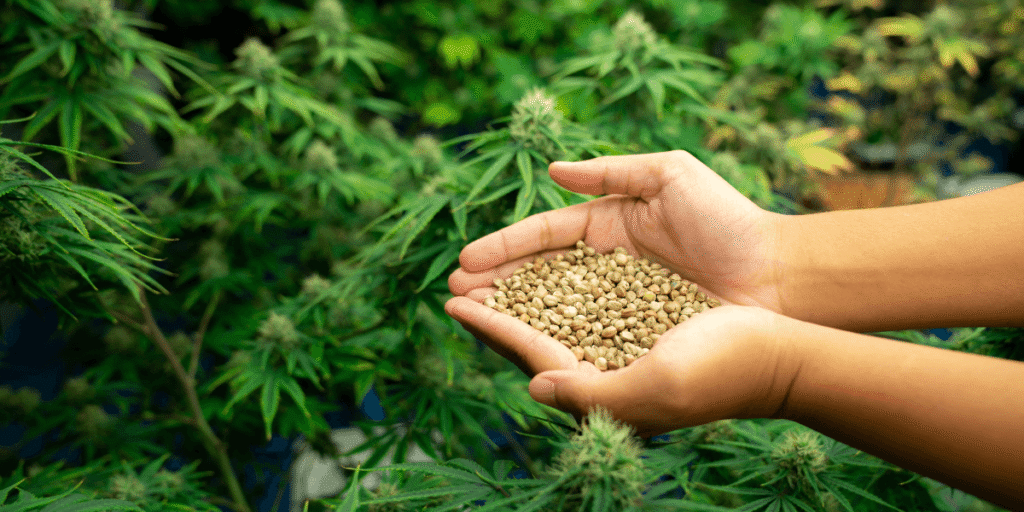
Modern agriculture is facing challenges related to soil health, input costs, and environmental sustainability in many regions. Farmers in many agricultural systems rely heavily on synthetic fertilizers to maintain crop yields. In some cases, excessive or improper use of synthetic fertilizers can contribute to soil degradation, nutrient runoff into water systems, and increased production costs over time. Overuse of synthetic fertilizers in some systems can reduce long-term soil fertility if not managed properly, although outcomes vary widely depending on soil management practices.
Industrial hemp is being studied as a rotational crop that may help improve soil health and reduce reliance on synthetic inputs in some farming systems. Hemp is considered a potentially beneficial rotational crop due to its relatively low input requirements and contributions to soil health, and it is attracting increasing interest from researchers and agricultural stakeholders.
Hemp may offer a different approach in certain agricultural systems. It can require lower chemical inputs than some conventional row crops, depending on growing conditions and intended use. Some studies suggest hemp may require less nitrogen than corn in certain production systems, but the exact difference varies and is not universally fixed. Lower input requirements can reduce costs and environmental impact in suitable farming systems.
Beyond its low nutritional demand, Hemp’s fast-growing canopy naturally shades out competing weeds early in the growing season, cutting herbicide use considerably. As hemp leaves shed and decompose throughout the season, they return organic matter to the soil, gradually rebuilding its structure and biological activity without any additional amendments.
Including hemp in crop rotations can provide additional agronomic benefits beyond diversification. It may contribute to improved soil conditions for subsequent crops in some rotations. Some studies have reported improved wheat yields following hemp in rotation, but the magnitude of yield increases varies and is not consistently fixed at 20%. That result comes directly from the healthier, more fertile soil hemp cultivation leaves behind.
Hemp’s deep root system may contribute to improvements in soil structure and nutrient cycling. Those roots break through compacted layers, improve water infiltration, and may support beneficial soil microbial activity. Soil microbes help decompose organic matter and contribute to nutrient availability for subsequent crops. Farmers gain a soil fertility improvement built into the land itself, rather than purchased from an input supplier.
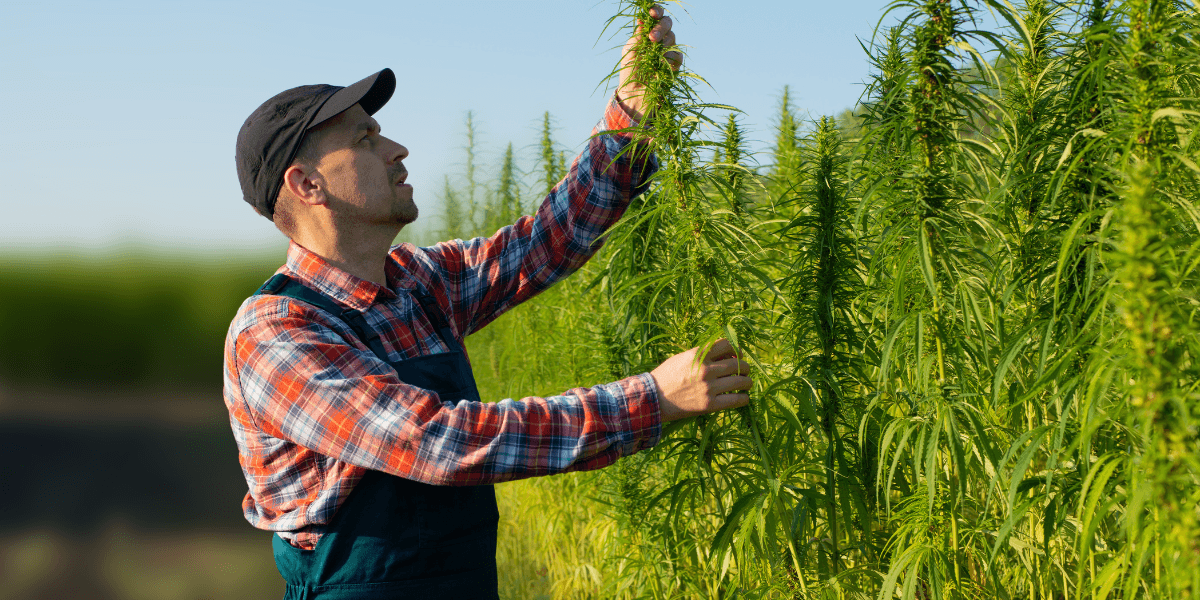
Environmental benefits only drive change when the economics support adoption. It is increasingly backed by solid market data. Market research estimates suggest strong growth in the global hemp industry, with projections varying by source and assumptions. Some industry forecasts project significant growth in the U.S. hemp market, but exact figures vary widely across reports, driven by demand across food, textiles, construction, and wellness sectors.
Hemp generates revenue from fiber, grain, seed oil, and biomass, providing farmers with income diversification that most commodity crops cannot offer. Savings on fertilizer, herbicide, and pest management costs improve margins further, making Hemp a practical choice for operations of all sizes.
Hemp aligns closely with the goals of agricultural crops. These crops do not simply reduce harm; they actively rebuild what decades of intensive farming have depleted. Hemp supports these goals in several well-researched ways:
Each of these benefits reinforces the others, making hemp a potentially valuable crop within regenerative farming systems.
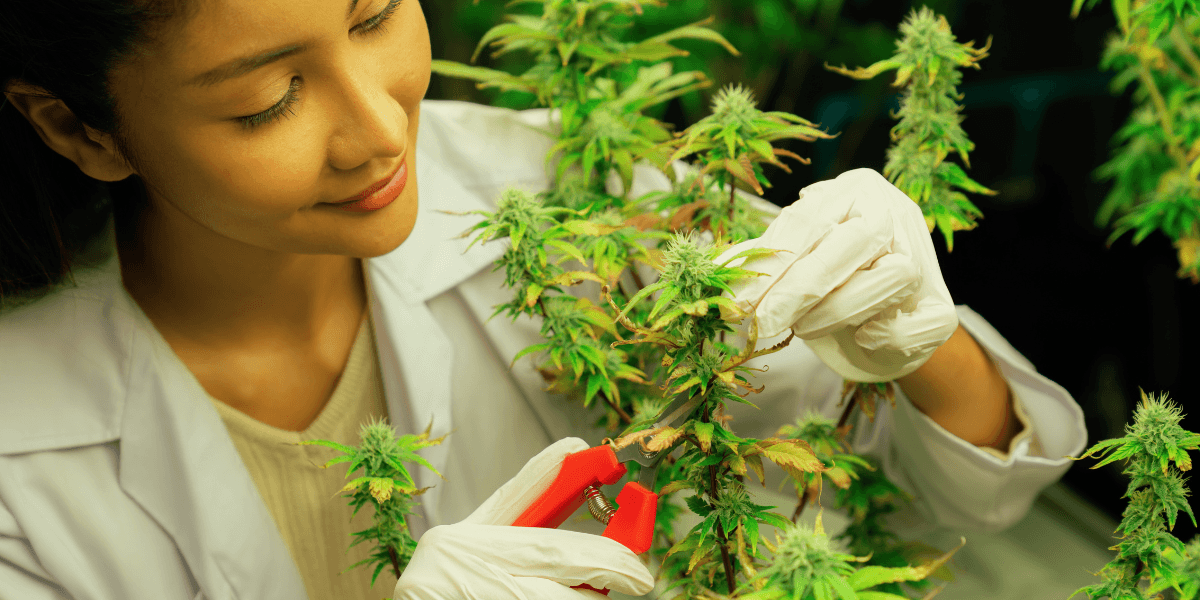
The environmental benefits of hemp extend well beyond the field boundary. Every acre of Hemp grown with reduced chemical inputs lowers demand for synthetic fertilizer production. Manufacturing synthetic nitrogen through the Haber-Bosch process consumes enormous quantities of natural gas, and reducing that demand creates meaningful upstream climate value.
Hemp also displaces other environmentally costly materials. Hemp fiber is a viable substitute for cotton production, which has historically relied heavily on pesticide use compared with many other major crops. Hemp bioplastics exist but currently represent a niche industry and are not a widespread replacement. Hempcrete offers a low-carbon alternative to conventional construction materials. These substitutions multiply the environmental value of every sustainably grown acre.
American Harvest Group connects farmers, processors, and manufacturers through a fully integrated agribusiness platform rooted in regenerative agriculture principles. As a trusted specialty crop supplier in North Dakota, we support sustainable sourcing for food companies, wellness brands, and industrial partners. Reach out today to learn how our network can strengthen your supply chain.
Reducing dependence on synthetic fertilizers does not mean stepping back from productivity. It means choosing crops that actively support long-term soil health and farm viability. Hemp improves soil structure, suppresses pests naturally, sequesters carbon, and can provide commercial opportunities when supported by stable processing infrastructure and market demand. As global agriculture grapples with rising input costs and climate pressure, sustainable hemp farming and its role in regenerative systems grow more important every year. Farmers who integrate Hemp into their rotations today are making a sound investment in the future of their land.
American Harvest Group is a global agribusiness and industrial hemp company serving manufacturers, food brands, and agricultural partners worldwide. As a reliable flaxseed and barley supplier in the USA, we bring the infrastructure, expertise, and global reach to support your sourcing needs. Connect with our team today!

Divyaa Dharga is a contributor at American Harvest Group, specializing in industrial hemp, sustainable agriculture, and emerging biomaterials. With a strong interest in regenerative farming practices and the evolving global hemp economy, she creates research-driven content that helps readers understand cultivation methods, supply chain developments, and innovative applications of hemp-based products. Through in-depth articles and industry insights, Divyaa Dharga supports American Harvest Group’s mission to promote environmentally responsible and economically viable hemp solutions.
